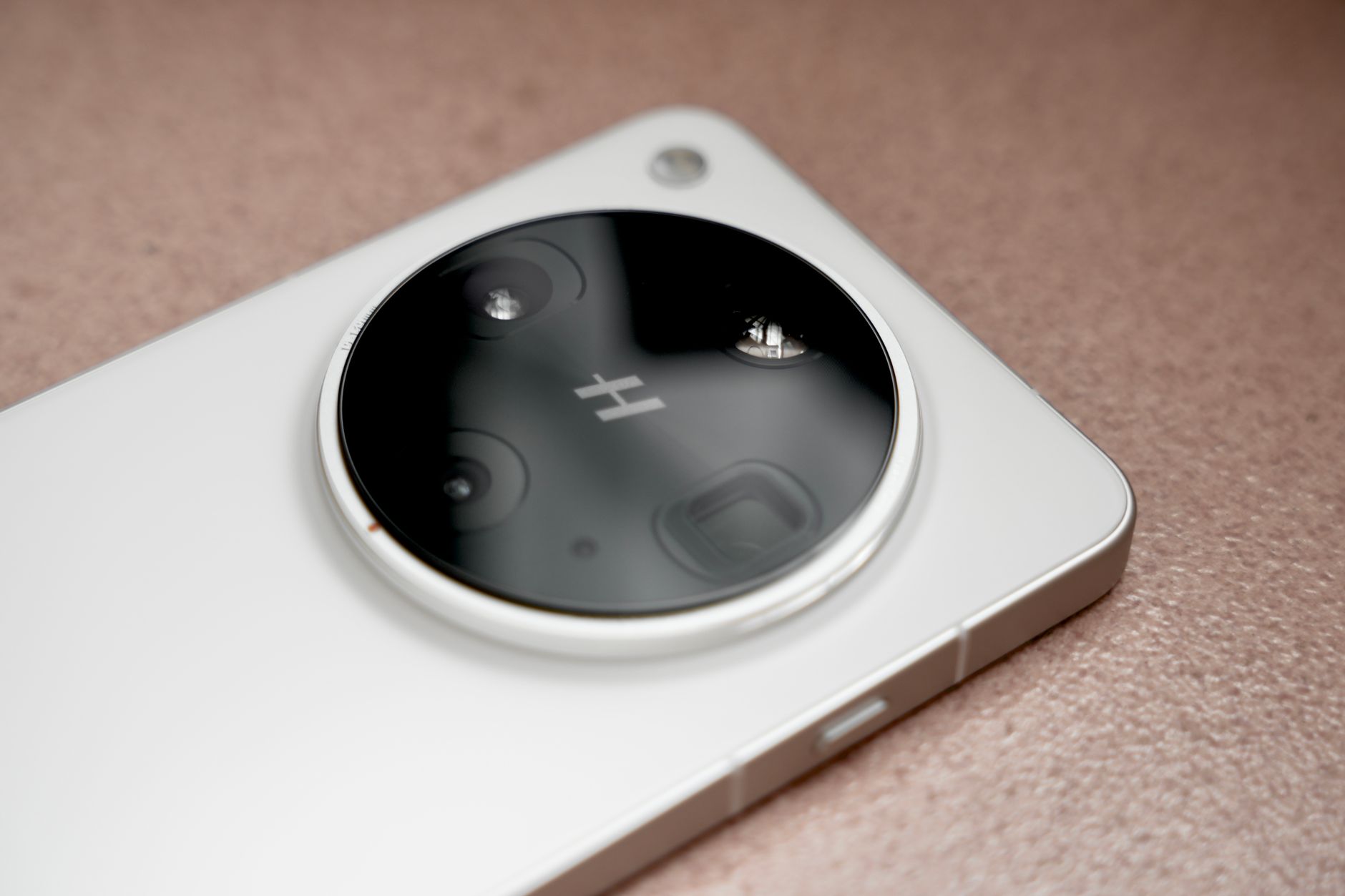
Huawei provides design notes for the Enjoy 90 Pro Max: infrared sensor tucked into camera module to preserve symmetry
Design reveal: function meets aesthetics
Huawei (华为) has published design notes for the new Enjoy 90 Pro Max (畅享 90 Pro Max), clarifying an element on the rear camera module that had raised questions. The company says the small component at the bottom-left of the camera island is an infrared sensor used for infrared remote control. Why tuck it there? Huawei chose the position to keep the rear’s central-axis symmetrical look and preserve the brand’s “star ring” camera aesthetic.
Hardware and styling details
The Enjoy 90 Pro Max adopts a narrow‑bezel, center punch‑hole flat display with large R corners and a straight‑edge midframe. The rear continues Huawei’s signature symmetrical camera arrangement and shiny star‑ring styling, with the infrared sensor integrated into the lower‑left of the module rather than appearing as a separate visual element.
Camera specs and features
Huawei’s notes also confirm the phone uses a 50MP (5000万) “super‑sensing” main camera (f/1.9) with an RYYB sensor, supporting up to 8192×6144 pixel images. It ships with a full complement of shooting modes — night, portrait, photo, video, pro, slow motion, panorama, timelapse, high‑pixel shots, voice‑activated photos, smile capture and timed shots — aimed at midrange buyers who value imaging versatility.
Wider context
The design disclosure arrives after Huawei Terminal BG CEO He Gang (何刚) declared the company’s mobile business was “fully back” following the return of the Enjoy series. That comeback is playing out against a backdrop of years‑long U.S. sanctions and trade restrictions that have constrained Huawei’s access to certain chips and Google services, prompting the firm to lean on in‑house technologies and design choices to differentiate its devices.