Huawei (华为) smart lock M2 quietly launches: AI fingerprint unlock + 4-year maintenance warranty, national-subsidy price ¥679.15
Overview
Huawei (华为) has quietly put its new smart lock M2 on sale, reportedly priced at ¥799 with a national-subsidy price of ¥679.15. It has been reported that the M2 comes with an official four-year maintenance warranty — one year longer than the industry norm — and targets homeowners looking for a low-cost, feature-rich entry in the smart-home security segment. Why does a door lock matter? Because it ties consumers into a broader device and services ecosystem, and Huawei is clearly still expanding that ecosystem despite geopolitical headwinds.
Features and security
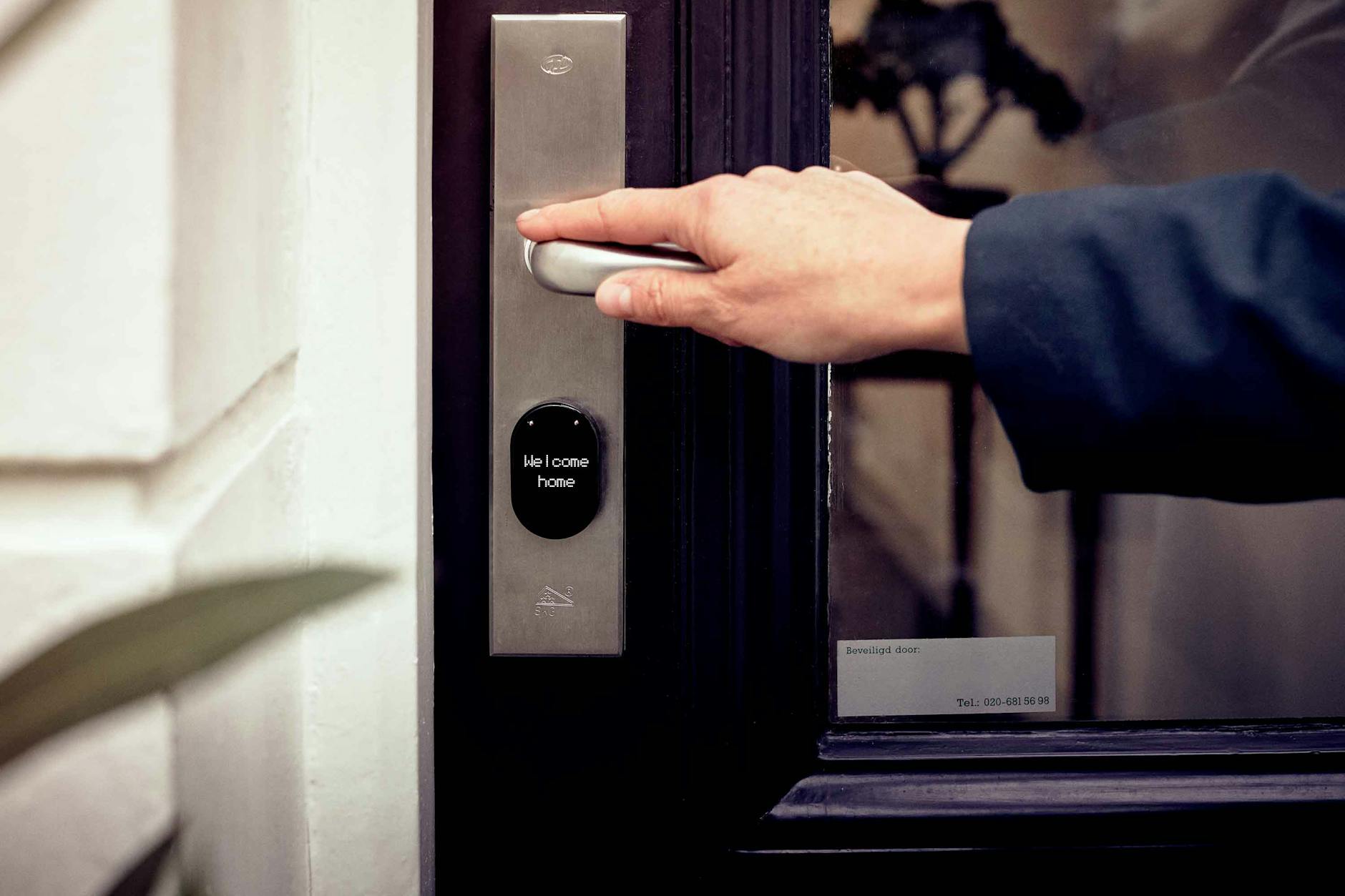
According to reports, the M2 uses an AI-assisted fingerprint system that continually refines fingerprint features, with an advertised unlock time of about 0.5s and a false-recognition rate below 0.00001. The lock supports multiple authentication methods: fingerprint, NFC card, physical key, numeric/guest/virtual-password, Huawei phone and Huawei Watch. Power comes from four AA batteries with Type‑C emergency power and tiered battery reminders. On the security side, it reportedly integrates an EAL5+ security chip and local password privacy storage, with an auxiliary chip able to independently verify opening permissions; mechanically, it uses a C‑level straight‑plug cylinder so interior mechanical operation remains available even if the exterior panel is damaged.
Market context
This launch comes as China continues to promote domestic smart-home products and as central government subsidy schemes for consumer electronics persist into 2026 — it has been reported that phones, tablets and 3C devices can receive an 8.5‑discount subsidy (up to ¥500 for products under ¥6,000). For Western readers, note that Huawei’s consumer hardware rollouts occur against a backdrop of U.S. sanctions and export controls that have constrained its access to some advanced chips and components; still, the company has pivoted into areas like smart home, wearables and cars to sustain growth and keep users inside its ecosystem.