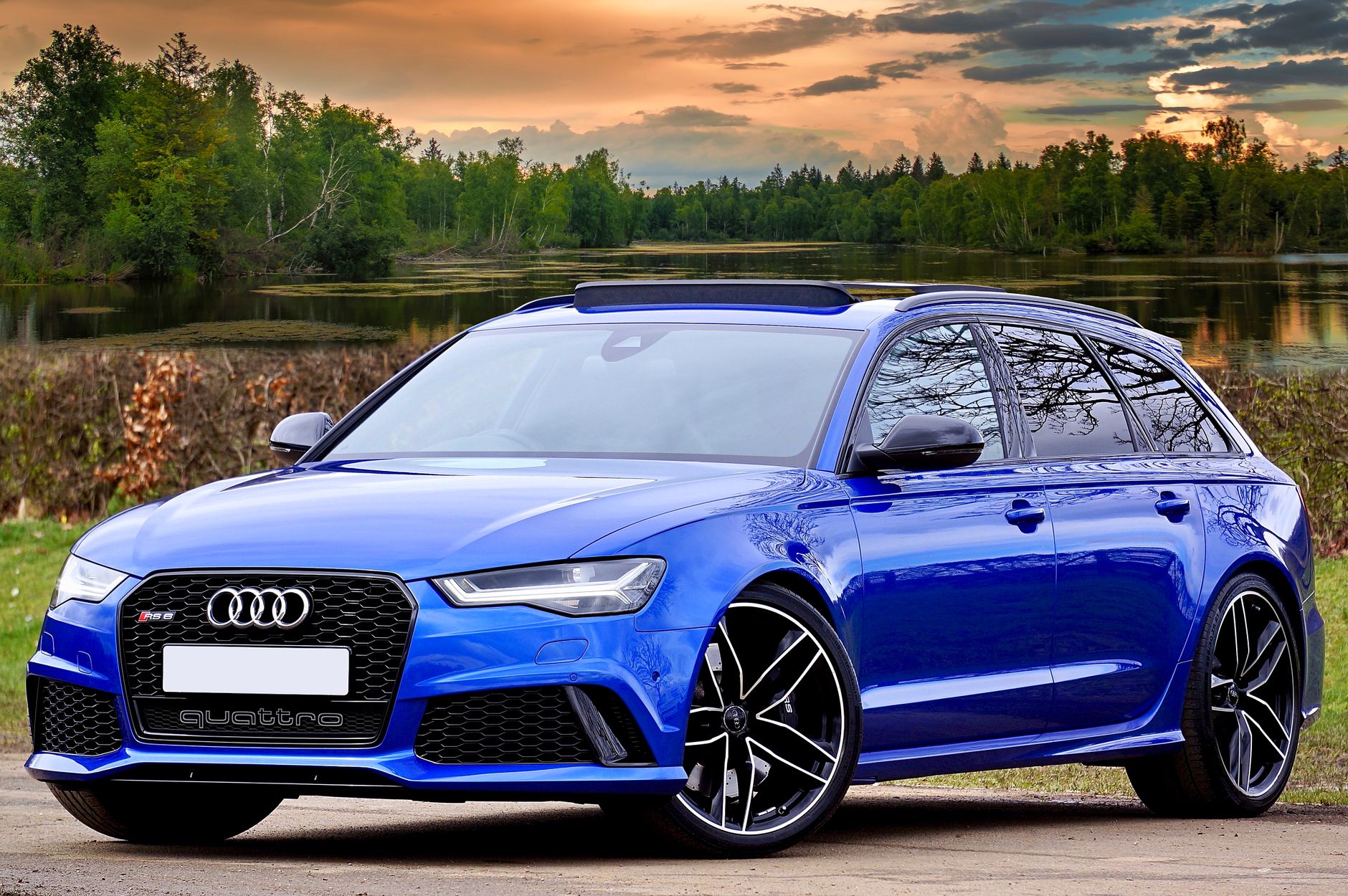
All-new Audi A6L officially launched: equipped with Huawei (华为) QianKun Zhijia driving system, starting price ¥322,900
The all-new Audi A6L has gone on sale in China, priced from ¥322,900 to ¥435,900 across four trims. Positioned as Audi’s China flagship large sedan and built on the brand’s new PPC internal-combustion platform, the locally produced A6L is lengthened for the market — wheelbase up 42 mm to 3,066 mm and overall length extended 92 mm to 5,142 mm — a clear bet on rear-seat comfort for Chinese buyers.
Design and interior
Buyers can choose between an executive and a sport appearance; the executive 2.0T quattro “尊享致雅型” adds chrome details and, reportedly, two lidar units to support advanced driver assistance. Lighting is a highlight: star-matrix headlights with new metal trim and multi-mode digital signatures, plus split second-generation OLED taillights with a China-specific through–light band and car-to-x connectivity. Inside, Audi fits curved OLED displays — an 11.9-inch virtual cockpit, 14.5-inch MMI screen and an optional 10.9-inch passenger screen — together with a 13.1-inch W‑HUD, 46 ambient lighting zones and high-end seat and audio options up to a 20‑speaker Bang & Olufsen system.
Powertrains, driver assistance and software
Powertrain choices are 2.0T low- and high-power units and a 3.0T V6 (150 kW / 200 kW / 270 kW). The 2.0T high-power uses the fifth‑gen EA888 with 48V mild hybrid tech; the 3.0T flagship employs a P0+P3 parallel HDI hybrid system with pure‑electric low‑speed drive and up to 25 kW energy recovery. Smart driving is the headline: the model ships with Huawei (华为)’s QianKun Zhijia driving system supporting urban and highway NOA, cross-level memory parking, remote parking and more. It has been reported that the in‑car voice assistant was developed by a domestic supplier and supports continuous multi‑turn dialogue and an avatar voice persona. Audi’s new E3 1.2 electrical/electronic architecture underpins these features.
Why this matters (and the geopolitical backdrop)
Why partner with Huawei? Western OEMs are increasingly integrating Chinese tech stacks to deliver advanced driver assistance in China’s largest auto market, even as Huawei remains subject to U.S. export controls and heightened international scrutiny. That tension — between access to competitive ADAS and geopolitics — will shape how similar deals are marketed and regulated abroad. For Chinese consumers, Audi’s A6L packages premium cabin upgrades with locally tailored tech; for global observers, it’s another example of deepening OEM–China tech collaboration amid complex trade and security headwinds.