Xiaomi (小米) founder Lei Jun details SU7 door-handle safety — reportedly 100% compliant with next year’s national standard
Lead
Xiaomi (小米) founder, chairman and CEO Lei Jun (雷军) tonight laid out the safety design for the next‑generation SU7’s door handles, saying the system uses triple redundancy to ensure occupants can be extracted after a crash. It has been reported that Lei claimed the design will be “100% compliant” with a new national vehicle safety standard due to take effect next year. Triple redundancy? Think three independent ways to open a stuck door after impact.
Design and redundancy
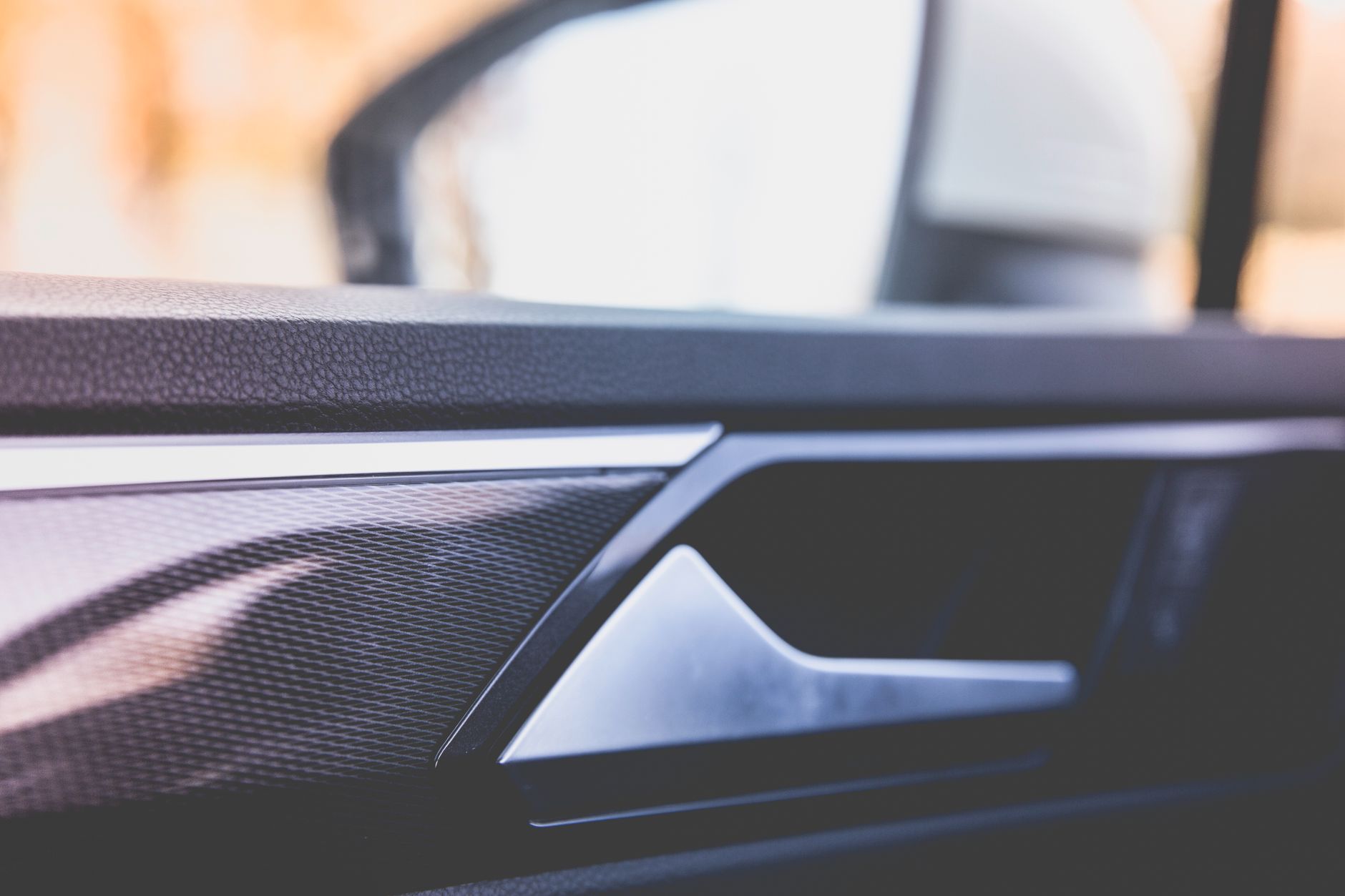
According to Chinese tech site IT Home, the SU7’s exterior uses a mechanical pull handle that automatically unlocks after a collision, allowing responders to open the door from outside. The door lock system also includes a redundant backup power source so that even if both the main traction battery and the auxiliary 12V battery are depleted in an extreme crash scenario, the lock can still be released. Inside, an emergency mechanical pull handle lets occupants exit without disabling the central locking system. Reportedly, Xiaomi presents these three measures as the package that constitutes its triple redundancy.
Compliance claim and verification
The company’s assertion of full compliance with next year’s national standard comes ahead of that regulation’s rollout. It has been reported that Xiaomi is positioning the SU7 to meet or exceed the incoming requirements, but independent certification and third‑party test results will be necessary to verify those claims. For Western readers: China has been tightening automotive safety and EV‑specific rules as domestic automakers scale up export ambitions, so manufacturers often announce compliance targets in advance.
Why it matters
Beyond product marketing, this is about trust and exportability. As Chinese electric vehicle makers push into overseas markets, demonstrable safety designs and certified compliance with formal standards will matter to regulators and consumers alike. Geopolitics also plays a role; as trade policy and sanctions shape supply chains, Chinese firms emphasize in‑house safety engineering to reduce reliance on foreign components and to reassure global buyers. Whether Xiaomi’s SU7 delivers in independent testing remains to be seen.