Meituan CEO Wang Xing (王兴) tells managers to “reduce pretentiousness” — and stop calling him “Xing-ge (兴哥)”
Meeting and the ask
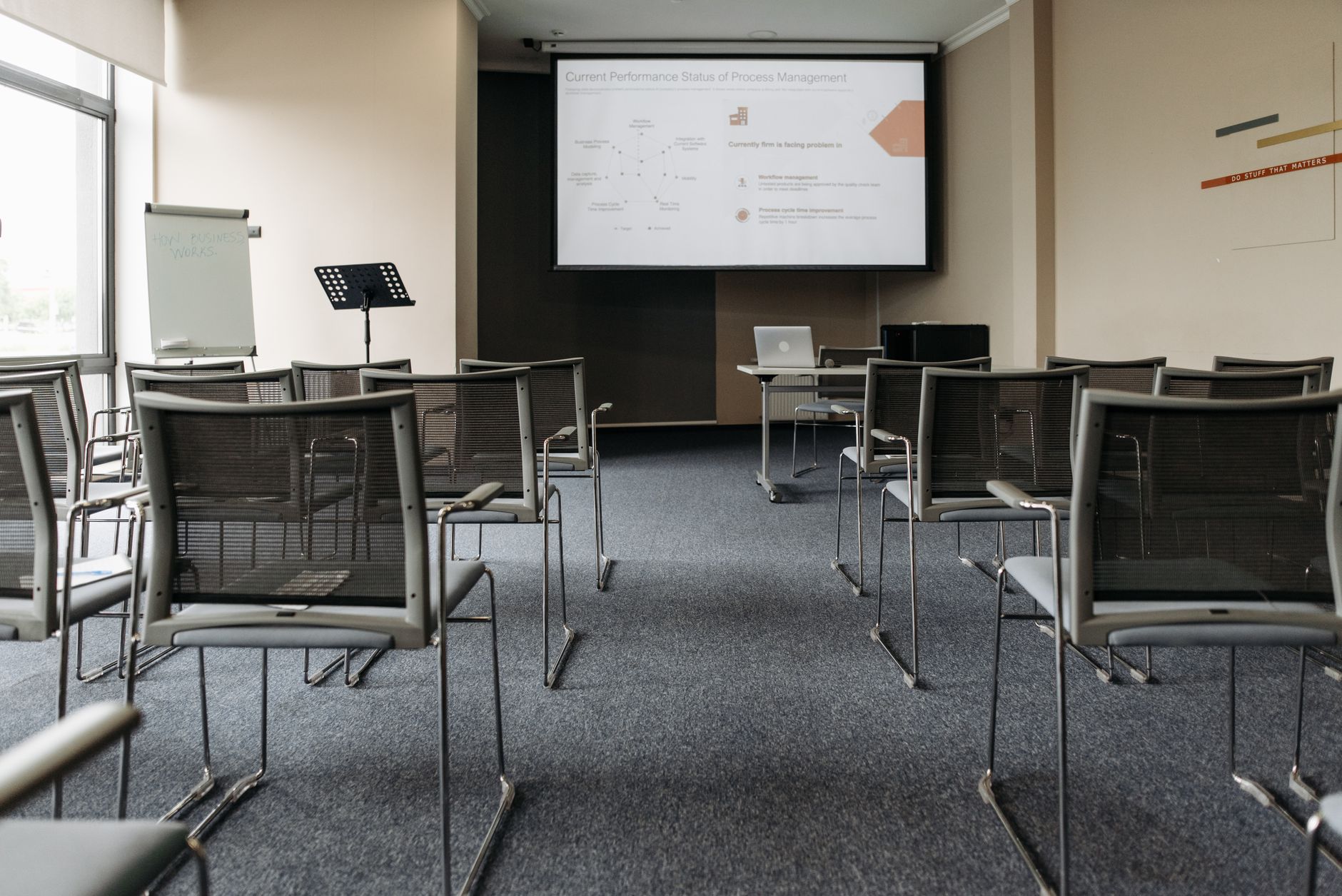
Meituan (美团) founder and CEO Wang Xing (王兴) used a 2026 management summit to push a surprisingly personal corporate reform: he asked colleagues to “reduce pretentiousness” and to stop calling him “Xing-ge” (兴哥). It has been reported that more than 2,000 Meituan managers attended the hybrid meeting, where Wang also spoke about food & grocery retail, international expansion and the company’s AI strategy. Why does a CEO care about a nickname? Because he said it signals an old-style, hierarchical culture he wants to change.
Nickname and explanation
Wang explained the nickname’s roots to the group, saying it dates back to his student days when two roommates shared the surname Wang; one became “Lao Wang” and he became “Xing-ge.” He reportedly told staff the moniker has persisted since 1997. The CEO made a specific appeal: inside the company, call me Wang Xing — not “Xing-ge.” He also noted, perhaps to underline a fresh start, that he has no English name despite studying in the United States.
Cultural push and wider context
The request is more than personal preference. For Western readers: Meituan is China’s dominant on‑demand services platform — covering food delivery, local services and grocery — and like other Chinese tech giants it is navigating both domestic regulatory tightening and ambitions to grow overseas. Leaders at these firms increasingly emphasize corporate discipline, flatter organizational cultures and brand consistency as they scale into AI and international markets. It has been reported that Wang framed the naming change as a small, symbolic step toward embracing new trends and reducing internal hierarchy.
Why it matters
A nickname ban might sound trivial, but in China’s tech sector symbolic gestures are often read as signals of broader managerial intent. With regulators watching and global expansion on the table, Meituan’s push for a less “pretentious” internal culture could be part of an effort to modernize governance and present a more professional face to partners and policymakers abroad. Whether staff adopt the change remains to be seen — but the CEO put the directive bluntly: from now on, call me Wang Xing.