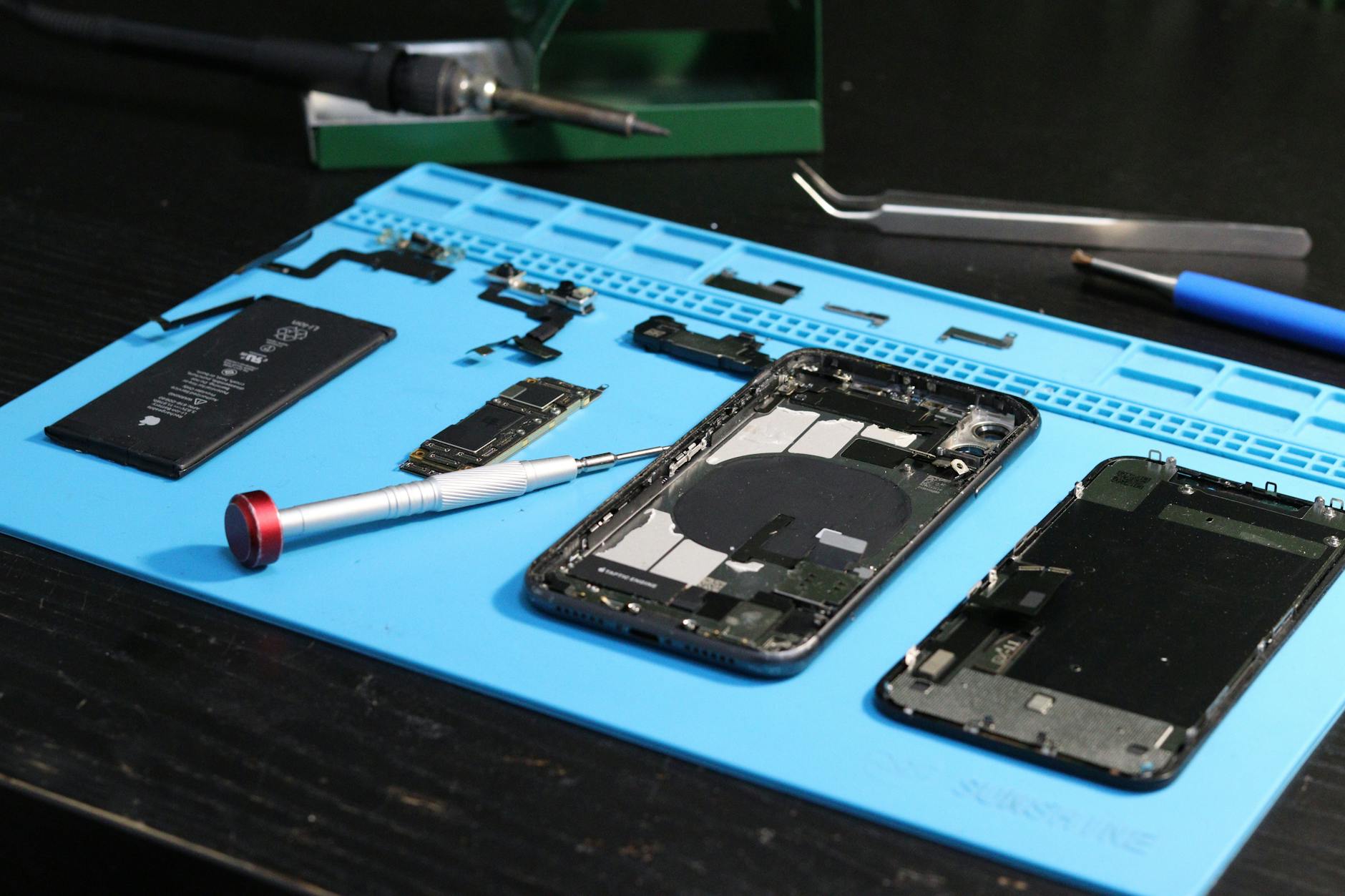
Apple says swapped iPhone screens can be detected as retailers warn of a buy-swap-return scam
What happened
It has been reported that some sellers and tech influencers in China flagged a scheme in which bad actors buy iPhones from Apple retail stores, remove the genuine Apple screens, fit cheaper third‑party panels and then return the phones under Apple’s 14‑day no‑questions policy — pocketing the difference. How much? Industry sources reportedly estimate a profit of about 1,100–1,150 yuan per device after each buy‑swap‑return cycle, and the swapped genuine screens can then re‑enter the gray market.
Apple’s response
Apple (苹果) told a reporter that returned products are inspected at a warehouse and must show no accidental damage; disassembly or part replacement counts as damage and will be detected. Apple’s technical support said refunds are issued only after a successful inspection, which can take three to five business days, and stressed that items sold through Apple’s online store and direct retail outlets are “brand‑new genuine, unopened and unactivated.” The company also said returned stock will not be resold as new.
Broader context
The case underlines two tensions for Western brands operating in China: the cost pressure that drives gray‑market arbitrage, and the ongoing global debates over repairability and parts provenance. Official repair estimates for Apple’s newest models remain high in China — for example, out‑of‑warranty screen service for iPhone 17 and 17 Pro is listed at 2,698 yuan, 3,198 yuan for Pro Max and 1,879 yuan for the 17e — creating incentives for both price‑seeking consumers and criminal opportunists. Regulators and manufacturers worldwide are also navigating trade‑policy and supply‑chain constraints that affect parts availability and pricing, making robust inspection and anti‑fraud measures more salient than ever.