Apple M5 MacBook Air's SSD Performance Soars — Up to Nearly 230% Higher Than Previous Generation
Big jump in storage speed leads the story
Apple’s new M5 MacBook Air delivers a surprising highlight: SSD performance that, in some tests, is up to 229.96% faster than the previous‑generation M4 MacBook Air, according to a round of benchmarks reported by IT之家 (ithome) and an early review from Notebookcheck. That leap narrows the gap with, and in some cases overtakes, a number of higher‑end M4 MacBook Pro and MacBook Air models. Fast storage matters. Why? Because raw CPU and GPU gains only matter when the underlying NAND can feed them.
Benchmarks and mixed results
Using Blackmagic Disk Speed Test figures captured by Notebookcheck and relayed by ithome, the M5 MacBook Air posted sequential read/write results that outpace many M4 variants: for instance, it is roughly 129% faster than the 13‑inch M4 Air (from about 2,833 MB/s to the new higher figure) and more than 122% faster than some 15‑inch M4 Air units. In other comparisons the M5 Air even beat several M4 Pro models (one 16‑inch M4 Pro score of 5,401.3 MB/s was 19.85% slower than the M5 Air), though a higher‑spec 16‑inch M4 Pro sample at 6,713.2 MB/s still edged the new Air by about 2.3%.
What changed under the hood?
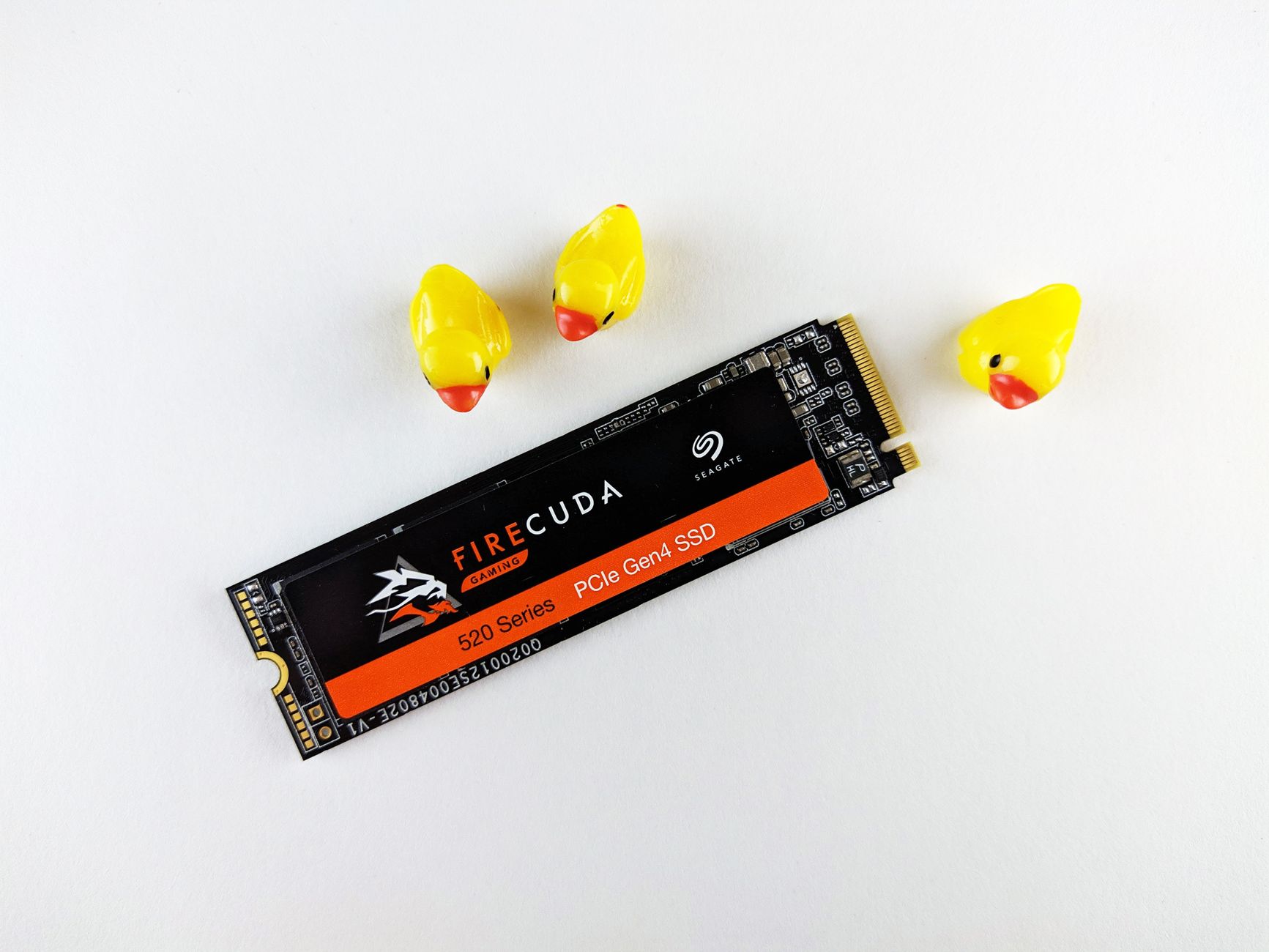
It has been reported that the M5 Air’s NAND likely supports the faster PCIe NVMe Gen4 protocol and that Apple may have moved to a dual‑NAND package to achieve higher sustained throughput. Those design choices would explain the large step up in real‑world storage bandwidth. The claim is not yet confirmed by teardown — reportedly no official hardware disassembly has been published — so these remain informed inferences based on benchmark characteristics.
Supply‑chain and geopolitical context
SSD performance improvements are as much about hardware design as they are about component sourcing. NAND flash and PCIe controller supply are global and sensitive to trade policy and export controls; Apple sources parts from suppliers across South Korea, Japan, Taiwan and beyond. Any restrictions or shifts in that ecosystem — including recent semiconductor export measures tied to geopolitical tensions — could influence which NAND makers Apple can use in future updates and whether those gains are widely reproducible across batches.