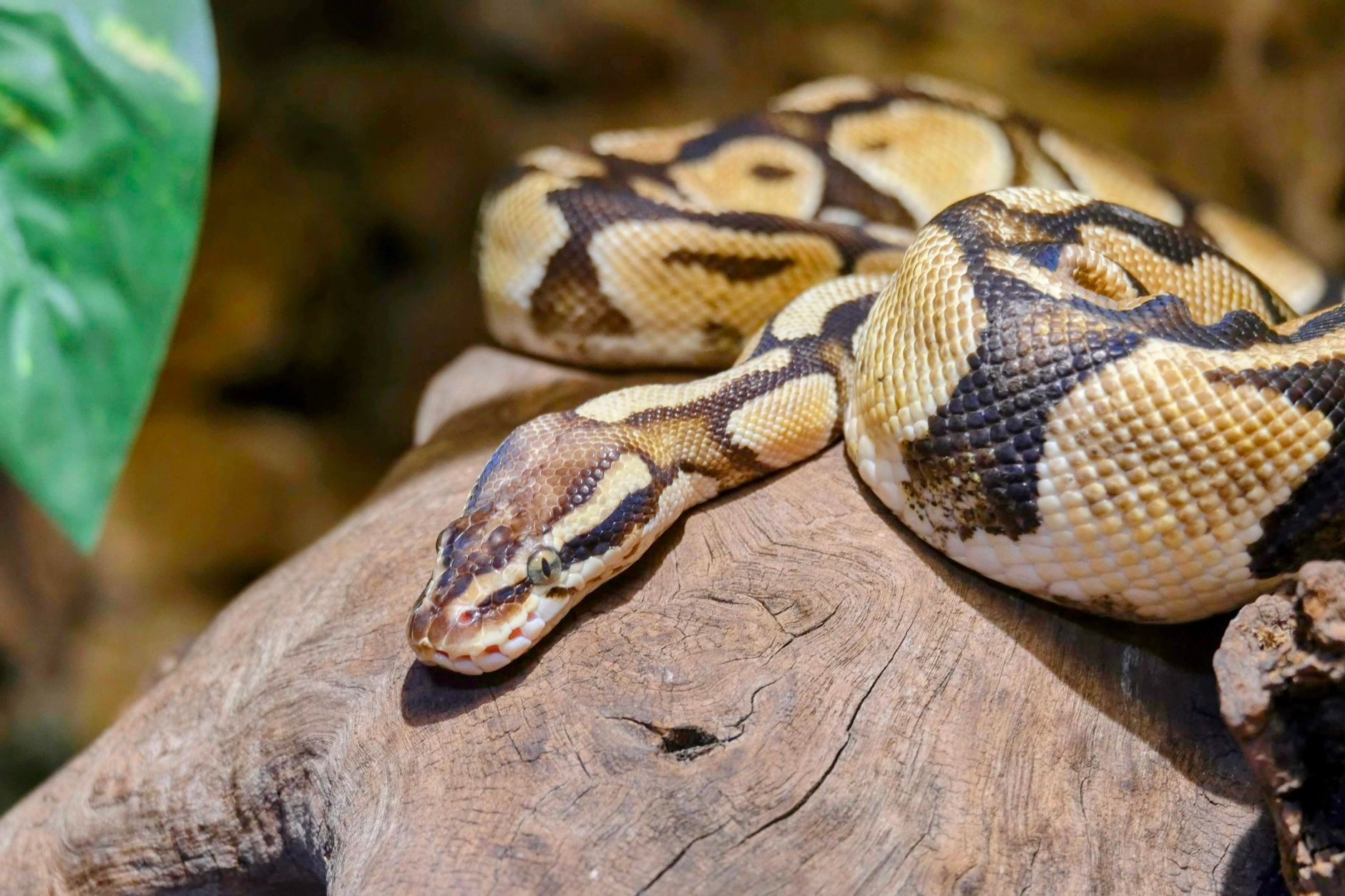
17-Year-Old Helps Identify New Snake Species in Zhejiang, a First Since the 20th Century
A teenage co-author on a landmark find
A 17-year-old high school senior in China has reportedly co-authored a peer-reviewed paper announcing the discovery of a new reptile species in Zhejiang province—marking the first such find there since the 20th century. The species, dubbed the “Kua Cang Mountain ridge snake” (括苍山脊蛇), was identified in the Kua Cang Mountain (括苍山) area, a biodiversity hotspot in eastern China. According to Chinese tech news outlet ITHome (IT之家), the research has been published in a Science Citation Index (SCI) journal, a designation widely used in China to indicate international, peer-reviewed standing.
Discovery and publication
The team behind the work reportedly combined field surveys with morphological and genetic analysis to confirm the snake as a species new to science. The high school student is said to have assisted with aspects of the fieldwork and documentation—rare but not unprecedented in China’s increasingly hands-on youth science ecosystem. While the specific journal was not disclosed, SCI indexing typically signals that the paper cleared global standards for taxonomic description and review.
Youth science in China, explained
Why is this unusual? China’s education system has leaned into research mentorships, Olympiads, and university-affiliated labs to cultivate early STEM talent. High schoolers co-authoring papers—especially in biodiversity, where local fieldwork can be decisive—fits that trend. At the same time, the case has drawn interest precisely because it features verifiable field discovery rather than classroom-only projects, a point observers say matters in a competitive academic environment.
Why it matters
Beyond the human interest angle, the snake’s identification underlines how even well-surveyed, urbanizing provinces like Zhejiang can still harbor undocumented species. That has implications for conservation planning, habitat protection, and environmental impact assessments—areas China has prioritized under its “ecological civilization” policy drive. A simple question follows: if a new reptile can still turn up in Zhejiang, what else might be hiding in plain sight across the country’s fragmented mountain ranges and river valleys?