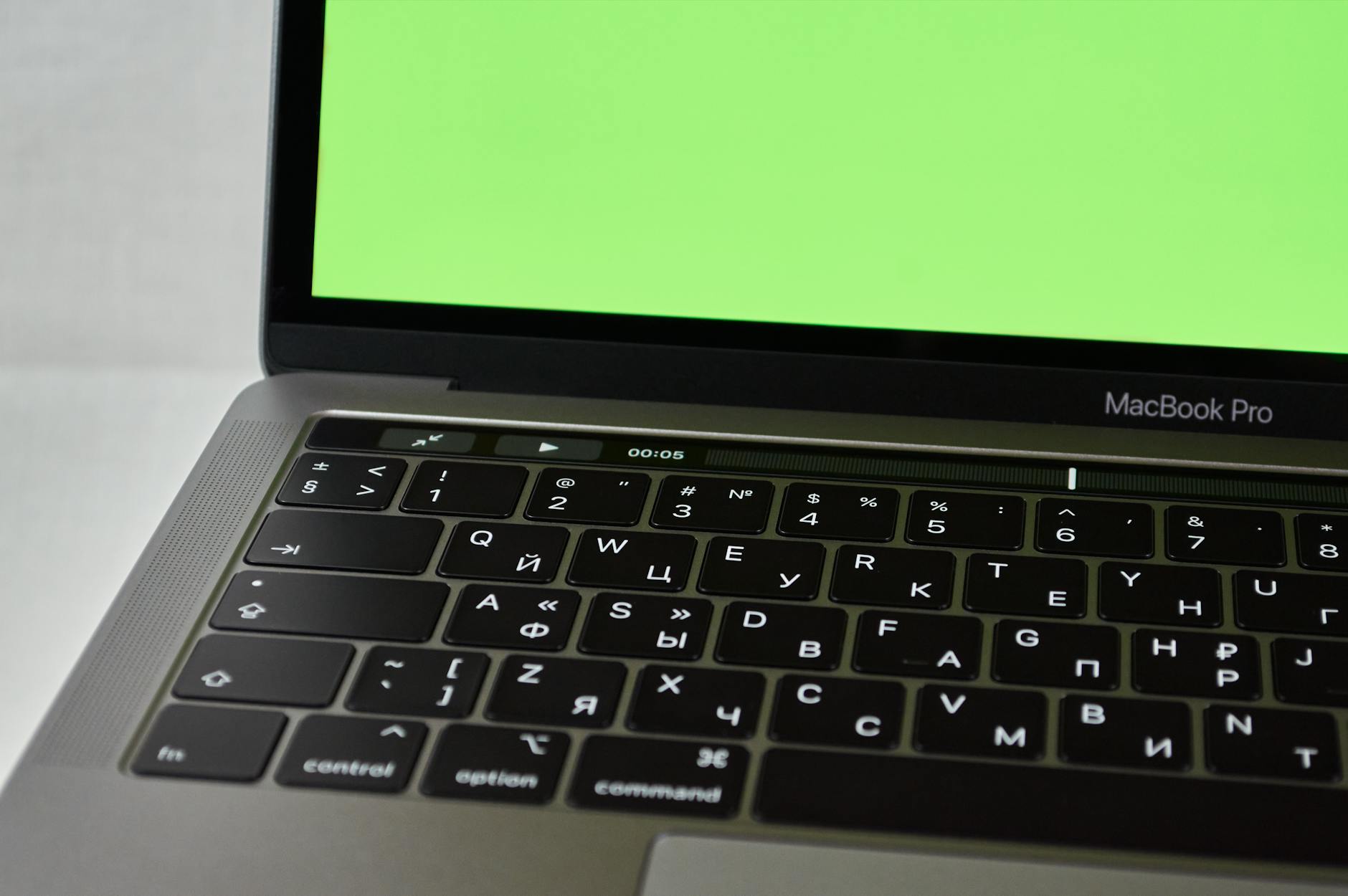
Apple’s M5 MacBook Air reportedly debuts in China with new “N1” wireless chip, from ¥8,499
The news
Apple has reportedly launched a new MacBook Air powered by its M5 processor in the Chinese market, featuring an in-house “N1” wireless network chip and flexible build-to-order options, according to Chinese tech outlet ITHome (IT之家). The starting price is listed at 8,499 yuan (about US$1,180), signaling a fresh push for Apple’s lightest laptop line as it moves to the next generation of Apple Silicon.
Why it matters
China remains Apple’s second-largest market and a bellwether for demand across premium consumer electronics. An “N1” wireless chip—if confirmed—would underscore Apple’s steady march toward deeper vertical integration in connectivity hardware, a domain long dominated by suppliers such as Broadcom and Qualcomm. It also raises a question: is Apple preparing to further decouple critical components amid ongoing U.S.–China tech friction and export controls?
Reported features and positioning
The new MacBook Air reportedly supports flexible customization, a familiar Apple approach that allows buyers to configure memory and storage at purchase. Apple typically pitches the Air as a fanless, ultraportable machine aimed at everyday productivity and creative workflows; an M5 upgrade would logically promise gains in efficiency and battery life over prior generations, though detailed specifications were not disclosed by ITHome (IT之家). The “N1” branding suggests an internal wireless subsystem, but Apple has not officially detailed the chip’s capabilities.
The bigger picture
Apple’s move comes as competition intensifies in China’s premium laptop segment, where domestic brands like Huawei (华为) and Lenovo (联想) are pushing high-end ultrabooks and ecosystem tie-ins. Geopolitical crosswinds persist: U.S. export rules continue to shape component supply chains, while in China some government bodies have reportedly tightened informal restrictions on foreign devices in official settings. Against this backdrop, a sleeker, more integrated MacBook Air could help Apple stabilize Mac sales in a market that often sets the tone for global demand.