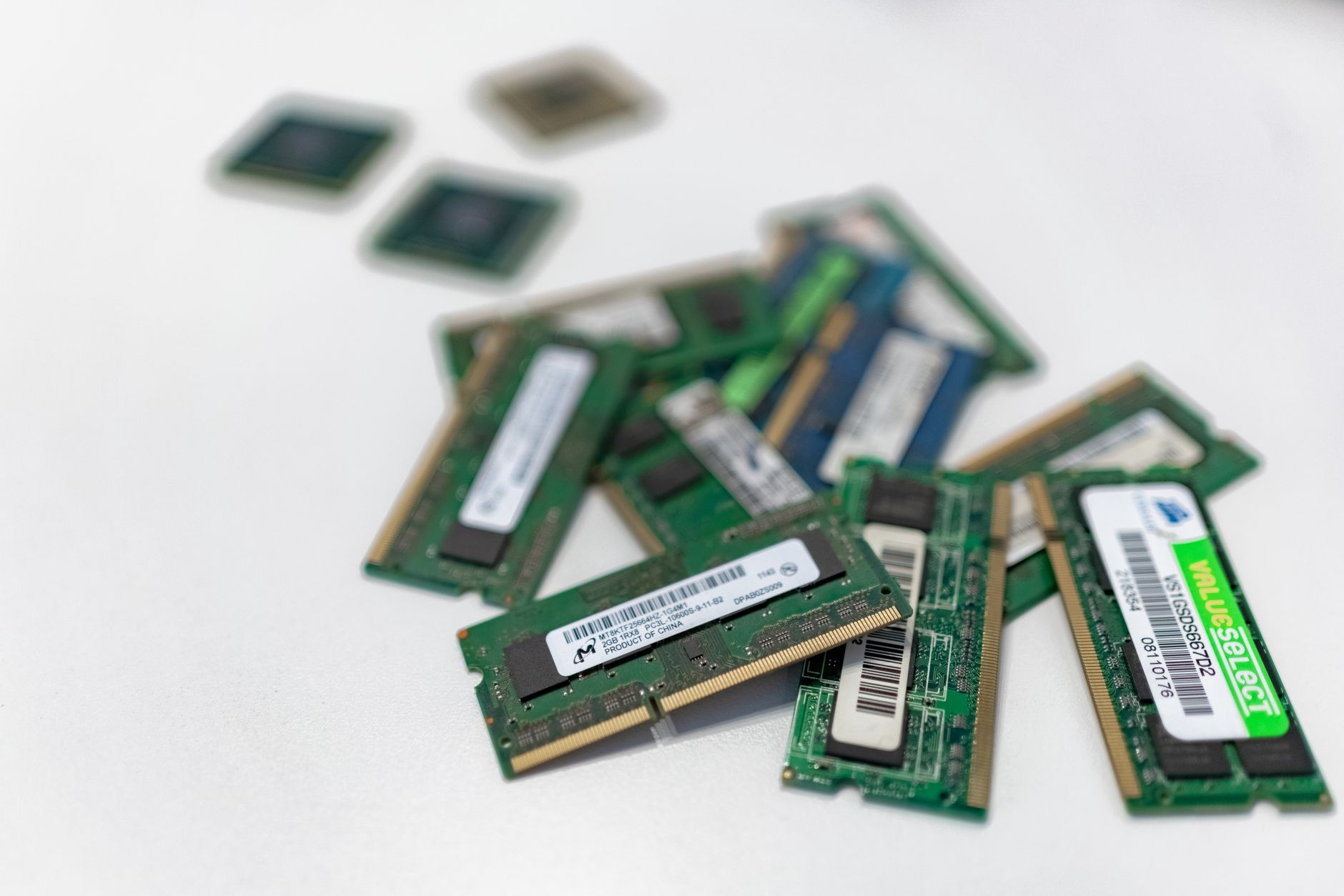
TrendForce (集邦科技): Global memory market to reach US$1.28 trillion by 2027
TrendForce estimate
It has been reported that TrendForce (集邦科技) projects the global memory market will expand to US$1.28 trillion by 2027. The Taiwan-based research firm attributes the surge to explosive demand from data centers and AI workloads, which are driving both capacity growth and higher-value product mixes such as High-Bandwidth Memory (HBM) and advanced NAND flash. The figure, cited by tech outlet ifeng, underscores how memory has shifted from a cyclical commodity into a strategic, high-growth segment of the semiconductor industry.
What the market covers
“Memory” here refers primarily to DRAM and NAND flash — the volatile and non‑volatile chips that power servers, GPUs, smartphones and edge devices — plus growing niches like HBM for AI accelerators. A small number of suppliers currently dominate production: Samsung, SK Hynix and Micron lead DRAM, while Samsung, Kioxia and Western Digital are major NAND players. China’s domestic efforts, including Yangtze Memory Technologies (长江存储, YMTC), are also trying to move up the value chain, though they still trail the global leaders on advanced process nodes.
Geopolitical context
Geopolitics matters. U.S. export controls and broader trade tensions have restricted access to advanced chipmaking tools for some Chinese firms, and it has been reported that such measures are pushing China to accelerate local investment in memory fabs. That dynamic could reshape regional supply and investment patterns: constrained imports in the near term may tighten supply, while subsidies and capex in China aim to create long‑term capacity. Western buyers and hyperscalers, meanwhile, face their own security and supply‑diversification considerations.
Outlook: winners, risks, and what to watch
For suppliers, the prize is larger but so are the stakes: heavy capex, rising HBM demand, and scrutiny from regulators. For buyers, rising volumes and richer chip packages mean higher bills but also new performance ceilings for AI services. Will supply catch up with demand? Watch capex plans, HBM adoption rates in AI deployments, and how export controls evolve — these will determine whether the US$1.28 trillion estimate becomes reality.