China-made electric vehicles begin entering Canada as Shanghai-built Teslas arrive at port
What has arrived
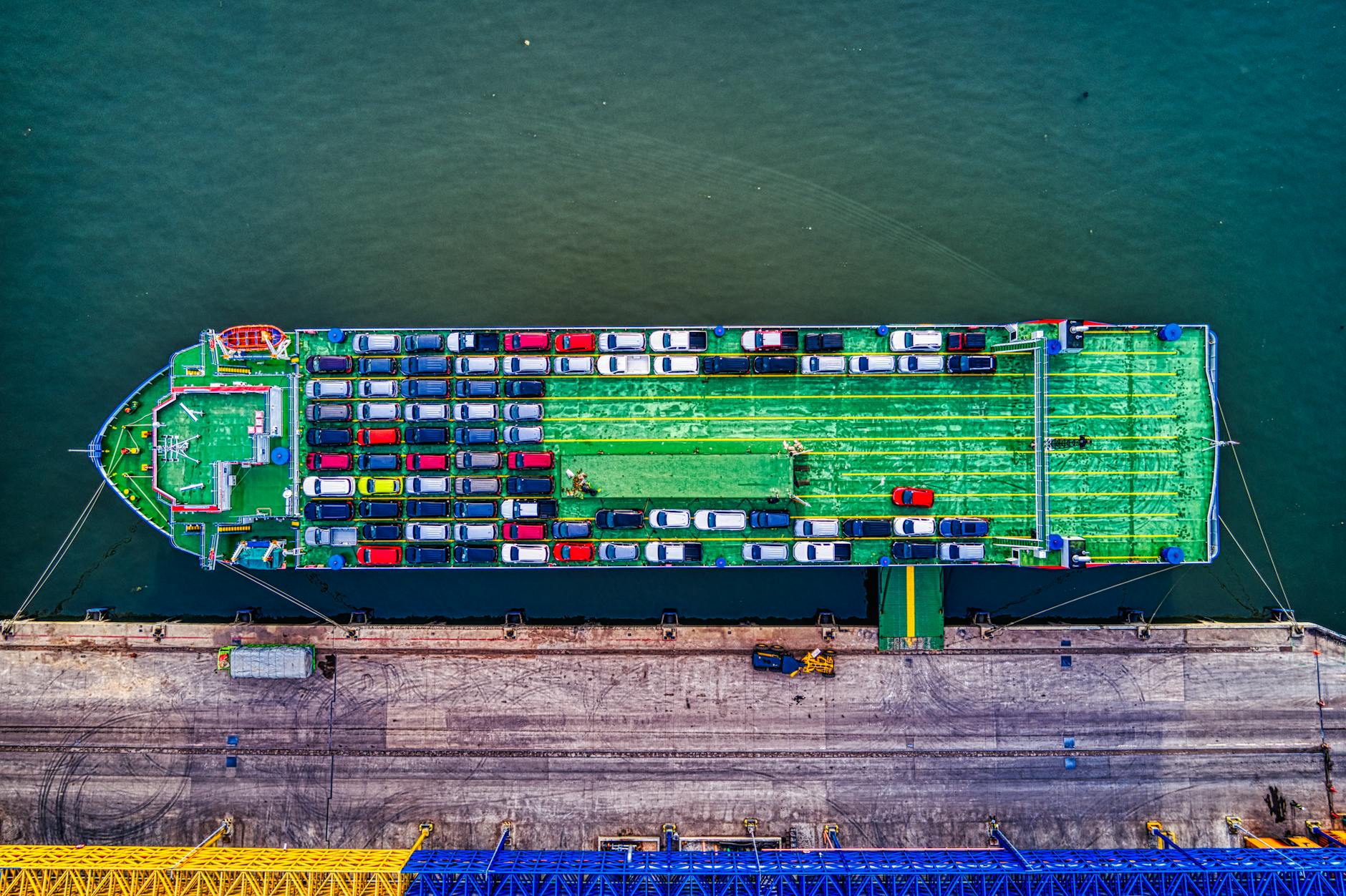
China-made electric vehicles have started landing in Canada under a new import arrangement reached during the Canadian prime minister’s visit to China in January, it has been reported. According to Bloomberg, a shipment that left Shanghai in early May aboard the Glovis Treasure has been anchored off Vancouver with vehicles bound for Canadian showrooms. It has been reported that hundreds of Shanghai-built Tesla (特斯拉) Model 3s have already started appearing at Canadian dealers and in social-media photos.
The new trade terms
Under the deal, Canada will allow up to 49,000 Chinese-made EVs to enter over the next 12 months at an approximately 6% tariff rate; prior to the arrangement, such vehicles faced effective rates above 100% that kept most Chinese models out of the market. Bloomberg compiled the shipping data; images circulating on platform X and other channels are the basis for the reports of China-built Teslas arriving at dealerships.
Who else is watching
Beyond Tesla, the shipments reportedly include a small number of China-made Lotus (莲花) luxury cars, and sources told Bloomberg last month that BYD (比亚迪) is planning to open roughly 20 retail outlets in Canada with local partners. Will Canadian buyers embrace lower-priced imports from China? The move is notable: it gives Chinese automakers a new western-market beachhead while testing Canadian public and political comfort with rapidly expanding Chinese industrial exports.
Geopolitical and market context
This shift comes amid broader geopolitical debates over supply chains, national security and trade policy between Western governments and China. Canada’s tariff rollback effectively reverses a protectionist barrier that had excluded most China-built EVs, at least temporarily. Observers say the arrangement could intensify competition in Canada’s nascent EV market and prompt closer scrutiny from policymakers — especially as more mainland brands consider entering North America.