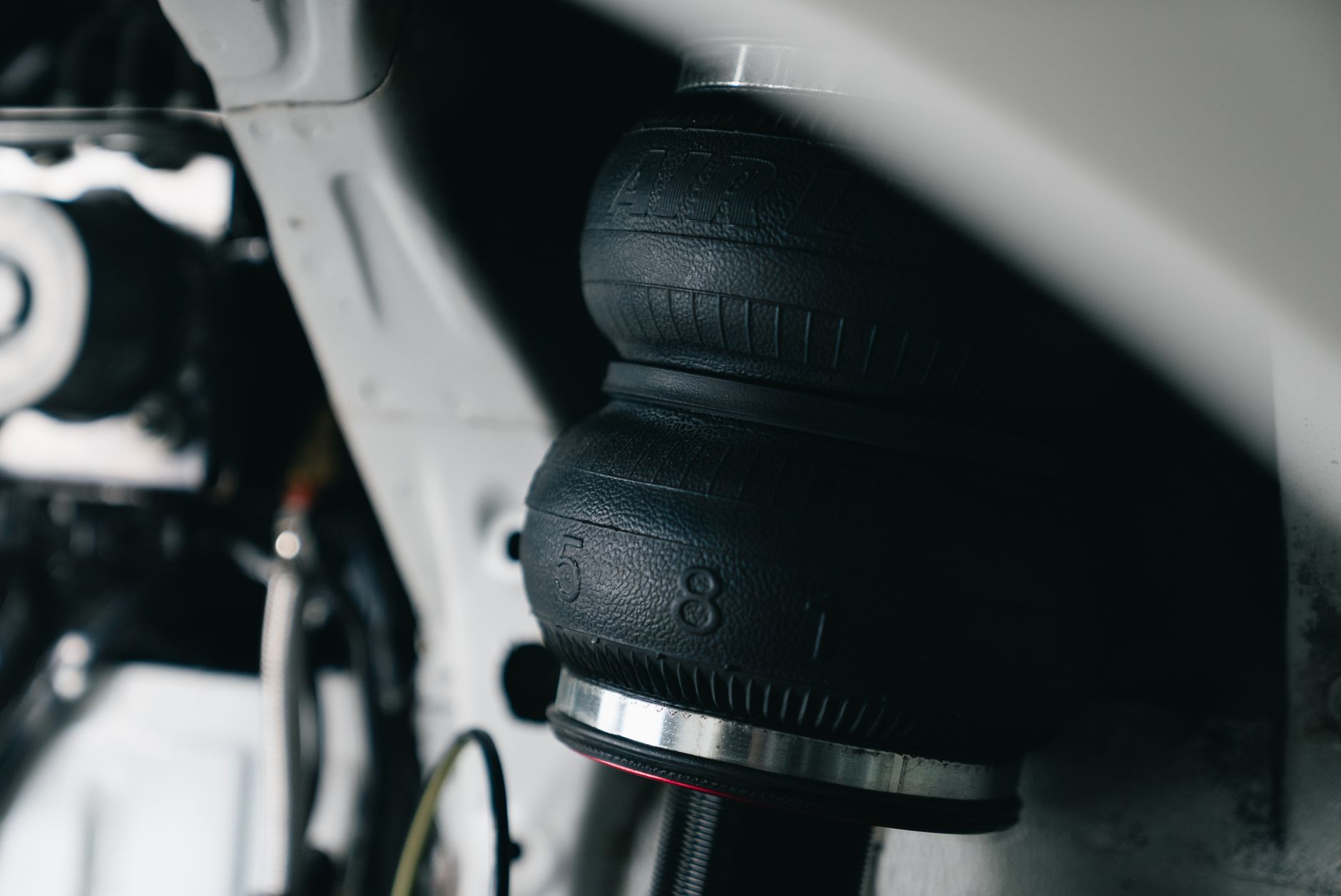
First dynamic test of AITO (问界) M9 shows dual‑chamber air suspension + CDC eliminates pitch on sudden starts and stops
Test results
Phoenix Auto Research (凤凰车研所) has released a first dynamic test of the new AITO (问界) M9, and it has been reported that the SUV’s dual‑chamber air suspension combined with Continuous Damping Control (CDC) almost entirely removes the classic “nodding” pitch during abrupt starts and stops. The footage—uploaded by a user to the Phoenix platform and accompanied by the site’s standard storage‑only notice—shows crisp body control under quick acceleration and emergency braking. Reportedly, the car holds its attitude with minimal fore‑aft movement, a clear nod toward ride refinement.
What the hardware does
Dual‑chamber air suspension uses two air chambers per strut to offer a wider range of stiffness and faster pressure modulation, while CDC is an active system that continuously adjusts damping force to match driving conditions. Put together, they reduce pitch and improve comfort without sacrificing handling. For Western readers unfamiliar with China’s EV players: AITO (问界) is a marque developed by Seres (赛力斯) in partnership with Huawei (华为), which supplies digital controls and software integration—so the M9’s performance is as much about software calibration as it is about hardware.
Why it matters
Why care about suspension tech? Because ride refinement is a differentiator as Chinese brands aim up‑market and compete with established European and Japanese rivals. The result also signals growing maturity in China’s vehicle systems engineering at a time when geopolitical factors—such as U.S. sanctions on certain chip technologies—are pushing more domestic integration and software‑defined solutions. It has been reported that the M9’s suspension performance may help the model land as a premium alternative, but questions remain about pricing, delivery timing and how the system will fare in longer, real‑world ownership tests. Source: ifeng (凤凰网).