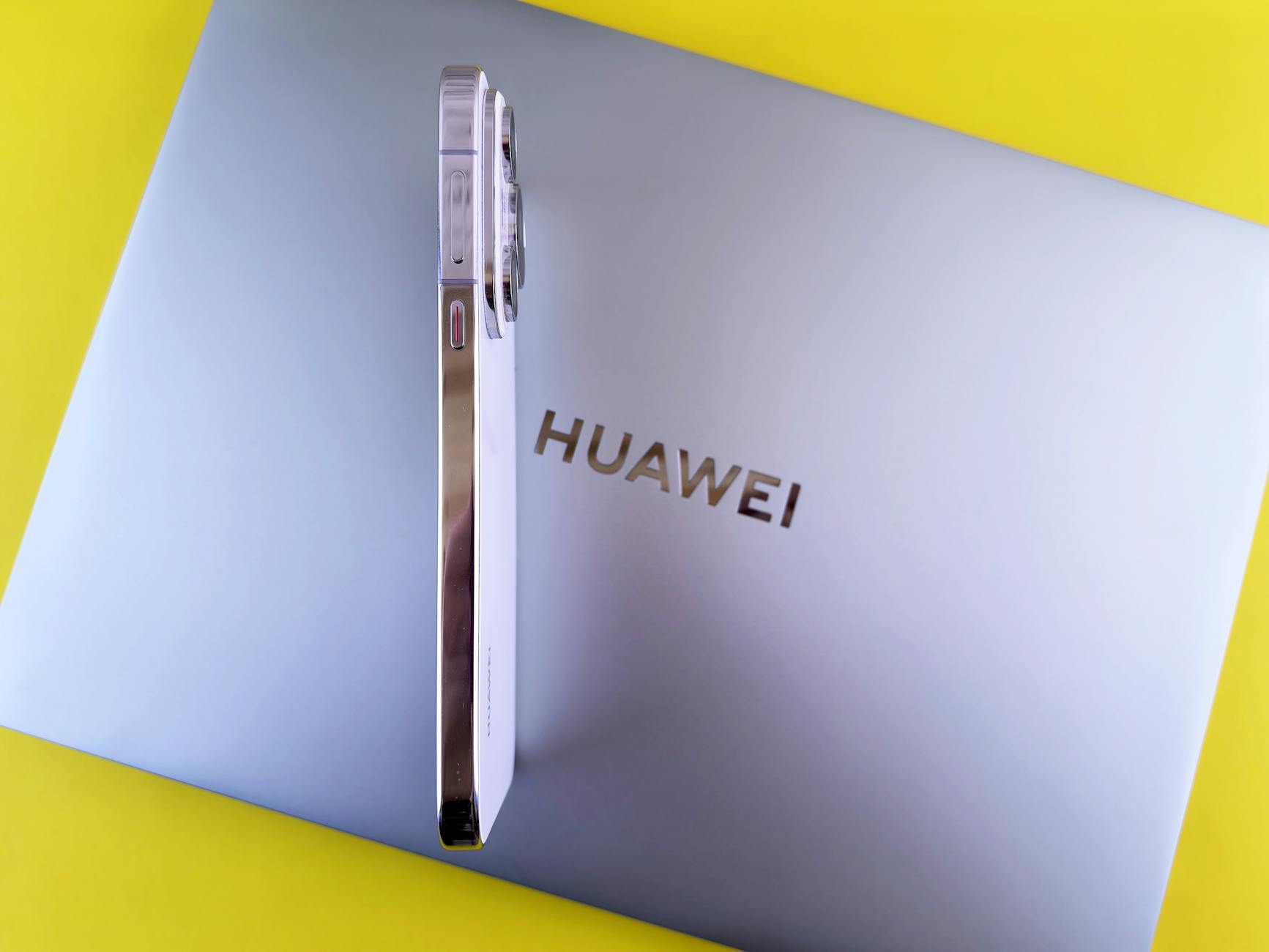
Huawei (华为)'s new τ-law: a smash hit or has it already run its course?
Source mismatch — the linked story is about SpaceX, not Huawei
The URL you provided points to an ifeng summary of a Reuters report that the U.S. Space Force has awarded SpaceX a $2.29 billion contract to build a secure, high‑speed Space Data Network (SDN) backbone — not to any announcement from Huawei (华为) about a “τ‑law.” It has been reported that the SDN will be a proliferated low‑Earth orbit (pLEO) mesh to carry near‑real‑time missile‑warning and tracking data to intercept systems, with a prototype expected to be fully operational by the end of 2027. So which story do you want covered: Huawei’s purported new rule, or the SpaceX/Space Force award?
Context for Western readers and why the distinction matters
If your brief is indeed about a new Huawei policy or technical standard called “τ‑law,” I can’t find those details in the linked item and I won’t speculate. Huawei (华为) operates under heavy U.S. export controls and geopolitical scrutiny; any regulatory shift, algorithmic standard, or product naming from Huawei would be read through that prism — will it be a defensive move against sanctions, an attempt to regain trust in foreign markets, or a domestic standard to sidestep Western dependencies? Those are the questions investors, partners and policymakers will ask.
Offer: I can write either story properly
Tell me which you want. I can:
- Produce a focused article about Huawei (华为)’s τ‑law if you provide the correct source or a short summary of the measure; or
- Write a 3–5 paragraph news piece now on the SpaceX contract and its implications for U.S. defense architecture and global satellite competition. Which do you prefer?