On the Eve of Unitree's (宇树) IPO, Why Did It Voluntarily Release an Unflattering Financial Report?
A rare bout of candour before listing
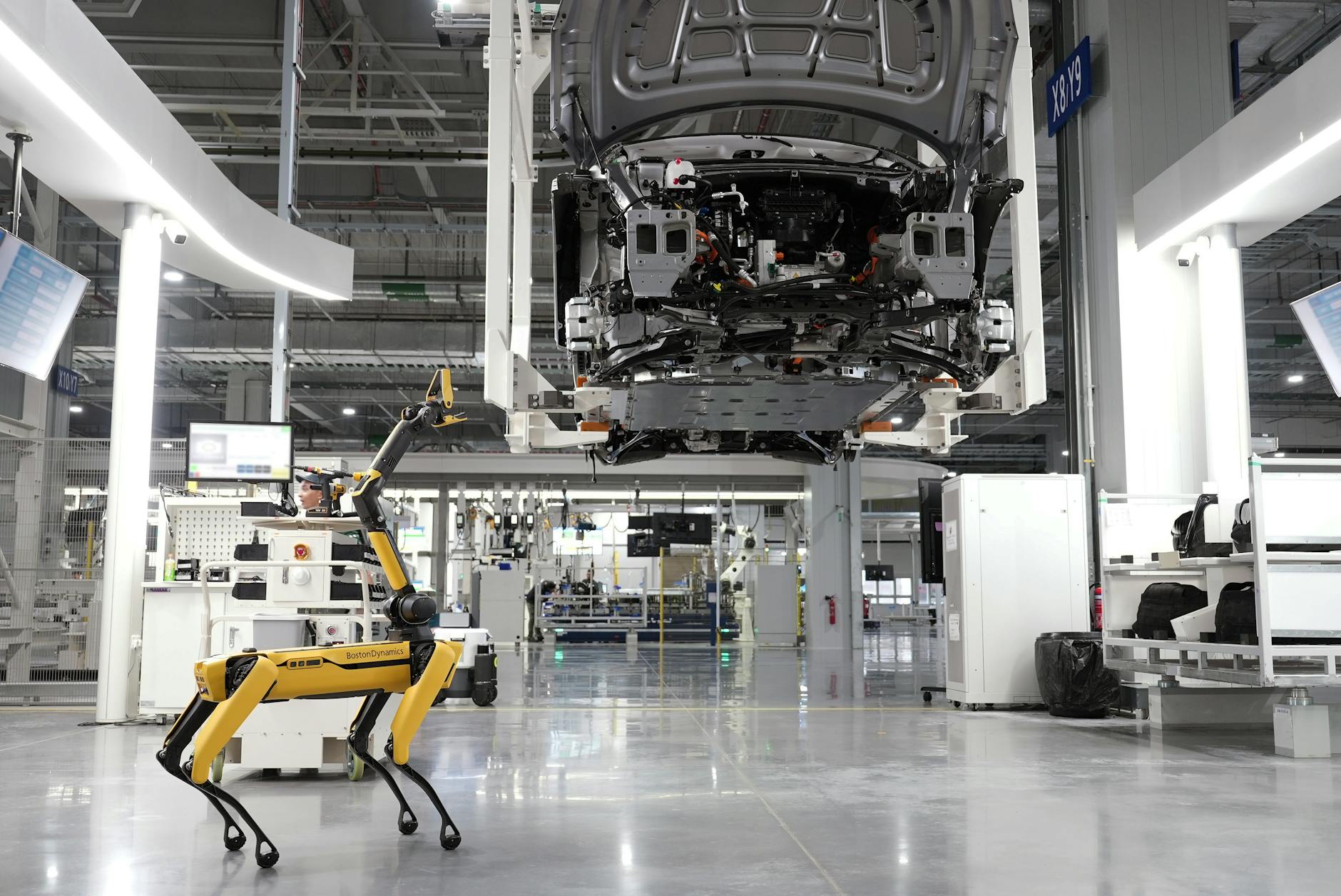
Unitree (宇树), the Chinese quadruped-robot maker best known for Spot-like machines, voluntarily published a financial report critics call unflattering just days ahead of a planned public listing. The move was striking because companies typically time disclosures to maximise market confidence. So why air weakness when valuations are on the line? It has been reported that Unitree’s report highlighted slowing revenue growth and elevated cash burn — facts that could compress an IPO price, but which the company apparently chose to surface itself rather than let others do it for them.
Damage control, credibility or strategic reset?
There are several plausible explanations. One is credibility: in a cooling IPO market investors punish surprises, so a pre‑emptive, self‑released document can buy trust with institutional buyers and underwriters by setting realistic expectations. Another is strategic pricing — a lower headline number can anchor a pragmatic valuation and reduce the risk of a later market re‑rating. It has also been reported that the move may have been meant to blunt short‑seller narratives or to pre‑empt leaks about related‑party transactions and high R&D outlays that are common in capital‑intensive hardware startups.
Regulatory and geopolitical backdrop matters
Context matters here. Chinese regulators have tightened IPO vetting and disclosure requirements in recent years, and geopolitics is an unavoidable factor: export controls on advanced chips and increasing US scrutiny of dual‑use robotics technologies complicate overseas listings and future revenue forecasts. For Western readers unfamiliar with China’s tech scene, that means Unitree’s investors must weigh not only market and product risks, but also shifting policy and supply‑chain limits that disproportionately affect hardware firms reliant on foreign semiconductors.
What it signals about China’s robotics boom
Whether the disclosure is a sober governance signal or a tactical gamble, it underscores a maturing market where hardware startups can no longer rely on hype alone. Investors will now look for a clear path to profitability, proof of stable supply chains, and realistic demand for robotics in logistics, inspection and security — sectors that may grow rapidly, but also face fierce competition and geopolitical headwinds. It has been reported that Unitree’s voluntary transparency may be less an admission of failure than a test of investor appetite for a higher‑risk, capital‑intensive future.