Liang Wenfeng (梁文锋) wants to give DeepSeek a coming-of-age gift
A gift framed by a global compute squeeze
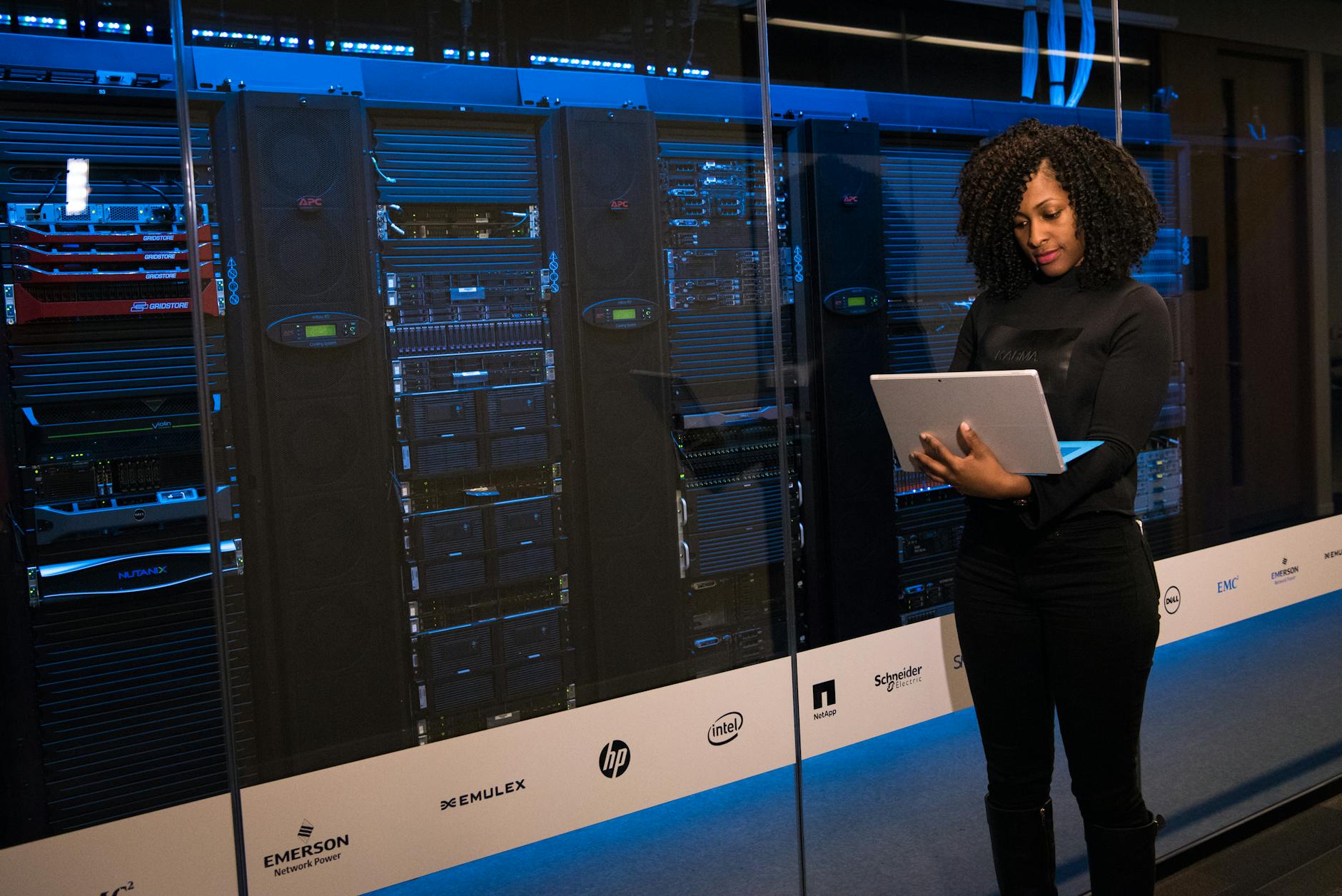
It has been reported that entrepreneur Liang Wenfeng (梁文锋) is preparing a “coming-of-age” gift for DeepSeek — a gesture that reads less like celebration and more like triage. The context is stark: compute has become the bottleneck and the prize in modern AI. Western providers such as SpaceX and cloud giants are reportedly turning spare supercomputing capacity into cash cows, while model builders face soaring bills that eat a large share of revenue.
When selling compute beats building models
The wider story is already playing out in public filings and industry reporting. It has been reported that SpaceX signed a three‑year contract with Anthropic that would pay roughly $12.5 billion per month — about $150 billion a year and $450 billion over three years — numbers that underscore how lucrative leasing compute can be. Meanwhile, xAI’s IPO filing reportedly showed 2025 revenue of about $3.2 billion, an operating loss of roughly $6.4 billion and capital expenditure of $12.7 billion, yet renting surplus capacity could generate multiples of its own revenue. The lesson is blunt: selling shovels still pays better and faster than digging for gold.
What this means for Chinese startups
Chinese AI companies face this global cost pressure while also navigating tighter access to top‑end chips because of geopolitics and export controls. It has been reported that token and inference bills have jumped 30–40% or more since March, and enterprise Agent workloads can multiply token consumption many times over, as former NetEase (网易) executives and other industry insiders have warned. Liang’s move — if indeed aimed at underwriting compute for DeepSeek — would mirror a broader strategic choice: subsidize early scale to avoid becoming a perpetual “compute tenant.”
A pivotal moment: landlord or innovator?
So what will win — the compute landlord model or independent model innovation? Short term, renting capacity looks irresistibly profitable. Long term, building differentiated models still promises greater durable value, albeit with a longer payoff and steeper risk. Liang Wenfeng’s reported gift to DeepSeek underscores that dilemma: a practical lifeline in a brutal cost environment, or the first step toward dependence on third‑party compute? The industry will be watching closely.