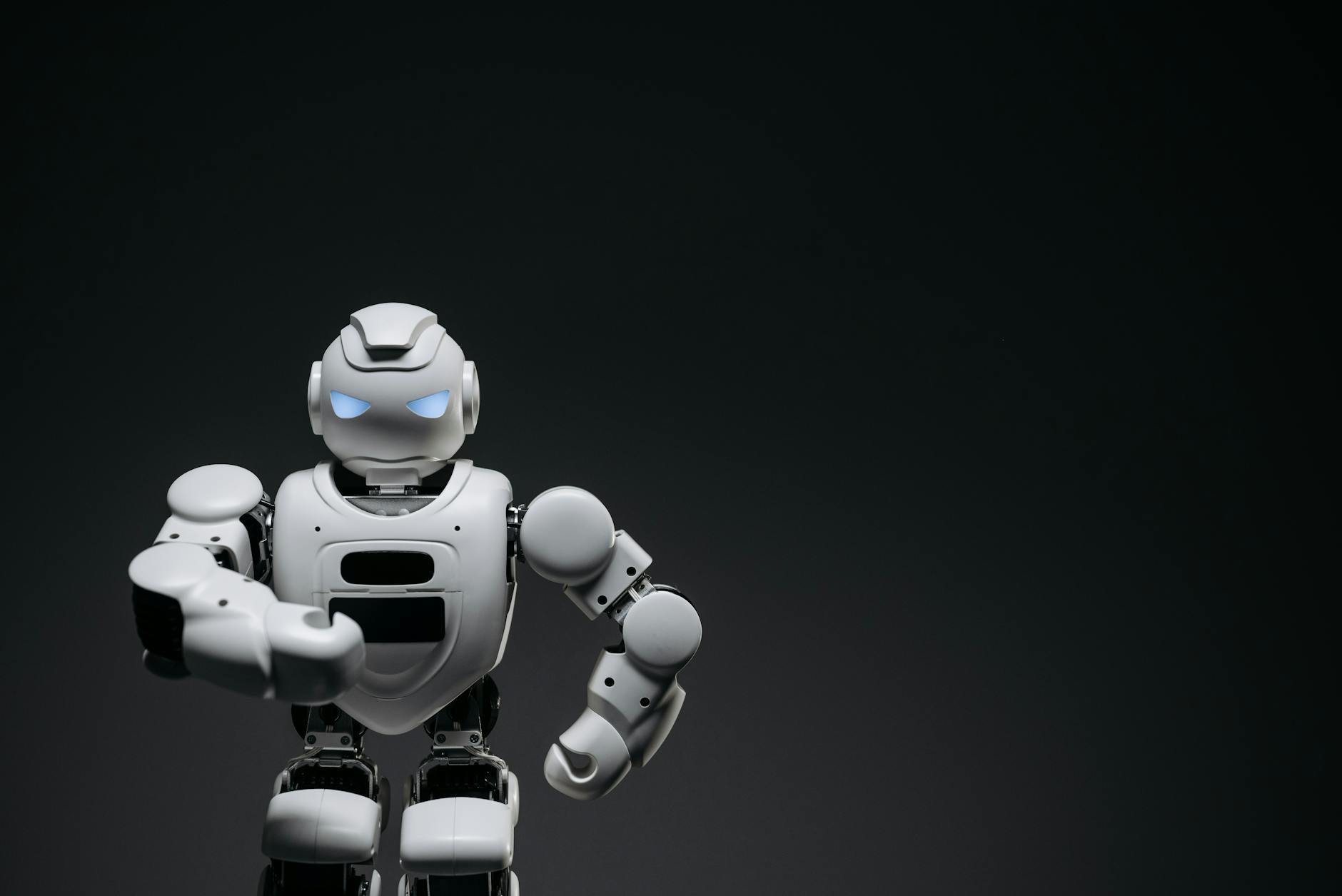
China's First Open-Source HarmonyOS (鸿蒙) Robot Operating System Released
Introduction of M-Robots OS 2.0
In a significant development for China's tech landscape, the first open-source robot operating system based on HarmonyOS (鸿蒙) has been launched, named M-Robots OS 2.0. This release positions China at the forefront of robotic technology, showcasing its commitment to fostering innovation in the field. HarmonyOS, developed by Huawei (华为), is already known for its versatility across devices, and now it aims to extend its capabilities into robotics.
Implications for the Tech Ecosystem
The introduction of M-Robots OS 2.0 is not just a technological advancement; it represents a strategic move within the broader context of China's ambitions in artificial intelligence (AI) and robotics. As global tech giants face increasing scrutiny due to geopolitical tensions and trade restrictions, China is keen to establish a self-reliant tech ecosystem. This new operating system may serve as a foundation for the development of autonomous robots that can operate in various sectors, from manufacturing to healthcare.
Open-Source Advantage
By opting for an open-source model, the developers of M-Robots OS 2.0 aim to encourage collaboration among researchers and engineers, both domestically and internationally. This approach could lead to rapid advancements in robotics, as more contributors can refine and expand upon the original software. It has been reported that this move might also attract foreign developers looking to work within a less restrictive environment, particularly as Western companies grapple with increasing regulations and sanctions.
Conclusion
The launch of M-Robots OS 2.0 is a noteworthy milestone in China's tech journey, highlighting the nation's ambition to become a leader in robotics and AI. As it navigates a complex geopolitical landscape, the focus on open-source solutions may provide a unique avenue for innovation and collaboration. Will this new operating system redefine the future of robotics in China and beyond? Only time will tell, but the potential is certainly vast.