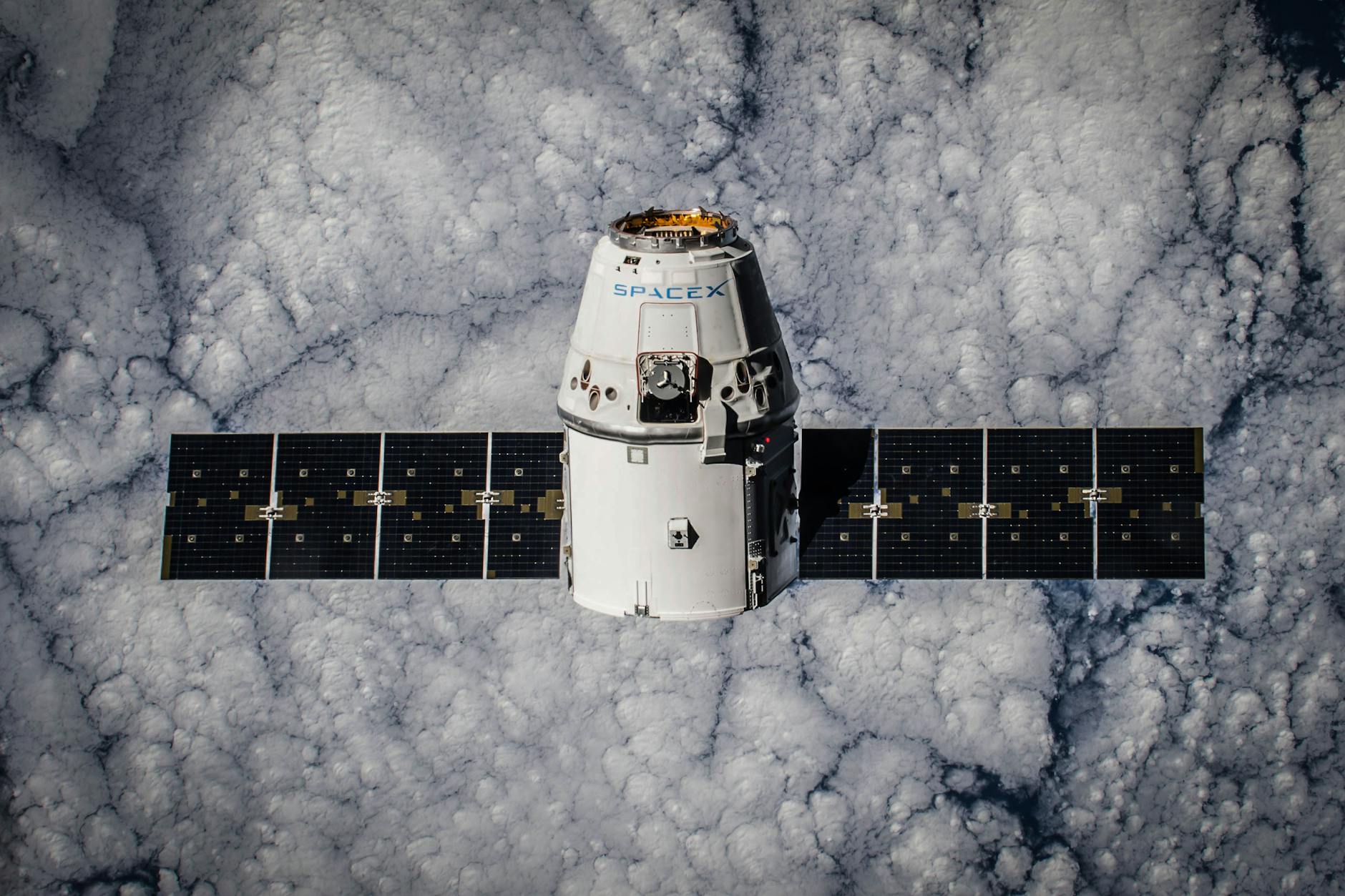
New on the space station! Perovskite batteries make their in‑space debut
What was launched
It has been reported that perovskite‑based batteries have been sent to China’s space station (中国空间站) for the first in‑orbit tests, marking a milestone for an emerging class of energy materials. Details remain limited in open sources; the experiment was described in a brief domestic media report as a flown payload designed to evaluate performance in microgravity and exposure to orbital radiation. Reportedly, the trial will measure cycle life, energy density retention and thermal stability over several months.
Why scientists care
Perovskite materials have transformed solar‑cell research in the past decade because they are cheap to make and can achieve high efficiencies in labs. Could similar material advantages be translated to rechargeable batteries? The hope is obvious: lighter, cheaper batteries with competitive energy density could change satellite power design, reduce launch mass and extend mission lifetimes. But perovskite chemistries have long faced questions about long‑term stability, moisture sensitivity and tolerance to energetic particle flux — exactly the risks that orbiting tests seek to probe.
Broader tech and geopolitical context
China’s flight test arrives at a time when countries are racing to secure domestic supply chains for advanced materials and components. For Western readers, note that decades of export controls and trade policy have reshaped where space hardware and critical materials are sourced. If perovskite batteries prove robust in orbit, they could offer a pathway to reduce dependence on constrained imports for certain mission classes — a strategic advantage as much as a technological one.
What to watch next
Independent verification will matter. Lab results on Earth rarely capture the full gamut of orbital stresses. Researchers will publish performance data if the experiment proceeds as planned; until then, it has been reported that the test is underway but outcomes remain unknown. Will perovskites survive the harshness of space and move from an intriguing materials science story to a practical spaceflight solution? The coming months should tell.