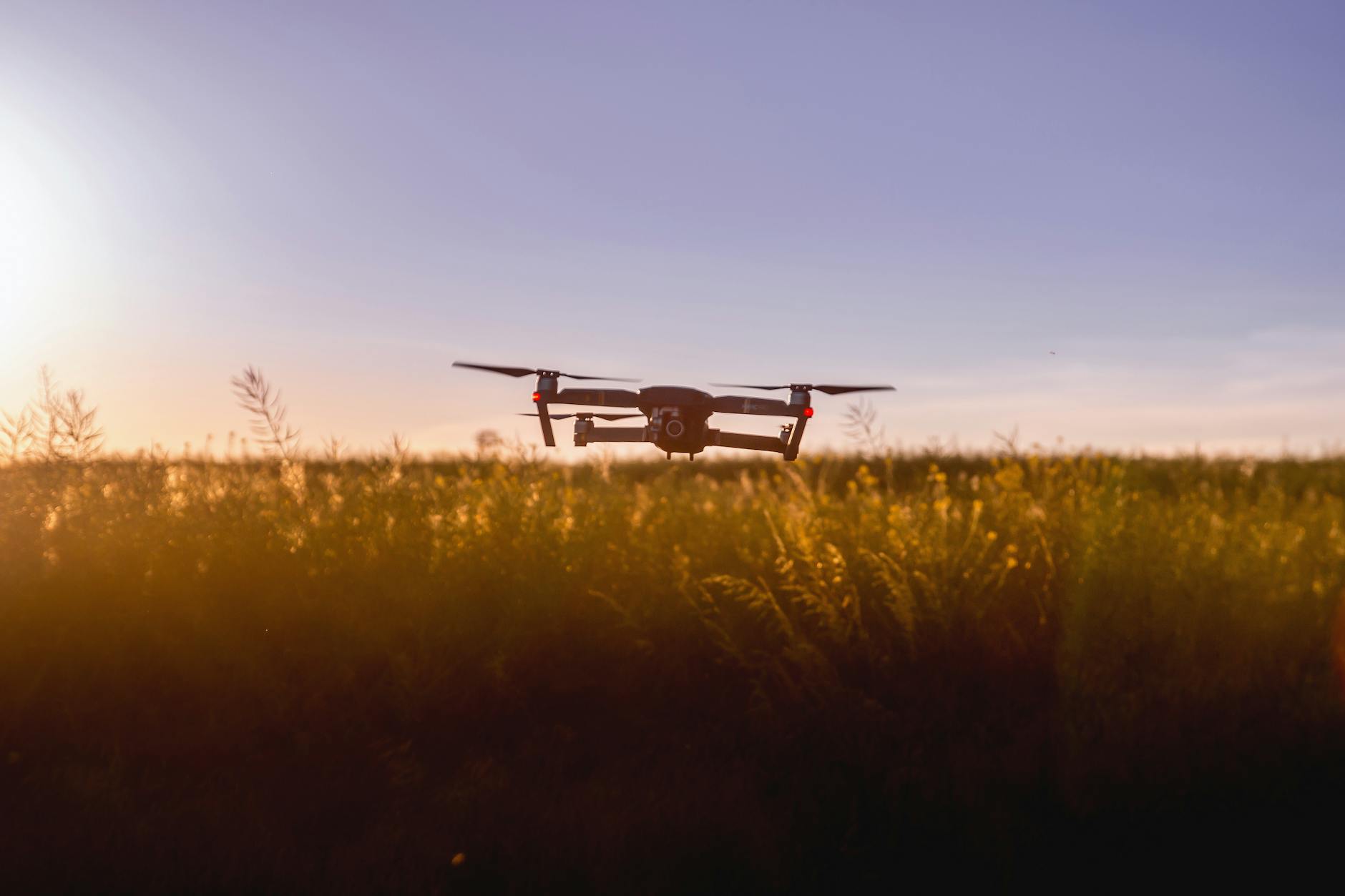
DJI (大疆) captures 72.5% of Japan's camera market share, a record high
Market domination raises eyebrows
It has been reported that DJI (大疆) captured 72.5% of Japan's camera market, a record high, according to coverage by ifeng. That number is striking because Japan is home to some of the world’s most storied camera makers — Canon, Nikon and Sony — and has long been a stronghold for high-end imaging equipment. How did a Shenzhen drone and stabiliser maker come to claim such a dominant slice of a market that many Western readers assume belongs to Japanese brands?
Why DJI surged
Observers point to several converging trends. DJI’s product mix — consumer drones, action cameras and handheld gimbals — has become tightly aligned with the explosion of short-form video and user-generated content. Competitive pricing, broad retail availability and continued product innovation have reportedly accelerated adoption among hobbyists and prosumers in Japan. Meanwhile, traditional camera sales have been eroded globally by smartphones; companies that moved quickly into compact, video-first devices gained an advantage.
Geopolitical backdrop and implications
This market result arrives against a fraught geopolitical backdrop. DJI has faced regulatory scrutiny and restrictions in the United States and other Western markets over alleged security concerns, and trade-policy tensions between China and the West continue to shadow supply chains. Yet Japanese consumers appear to be buying DJI gear in large numbers. What does this mean for incumbents? For regulators? Japanese camera makers, already under pressure from smartphone competition, now face renewed urgency to innovate or carve out specialised niches.
What comes next
If the 72.5% figure holds up under broader market analysis, it is a clear signal that consumer behaviours and product categories are shifting faster than many expected. It has been reported that industry watchers and policymakers will be closely watching subsequent quarterly data to see whether this is a transient sales wave or a longer-term realignment of the global camera market.