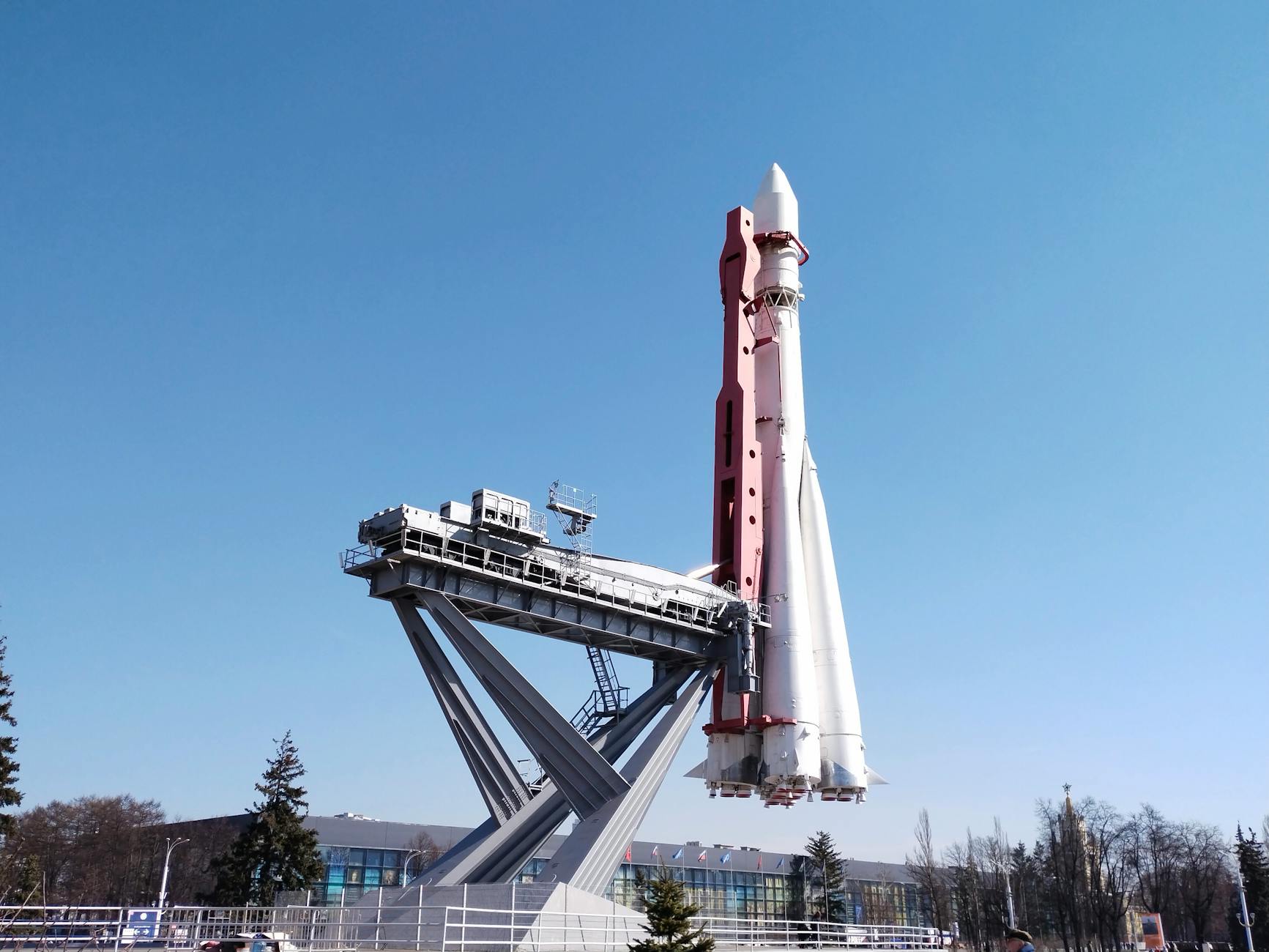
SpaceX reportedly launches “largest and most powerful rocket” as NASA chief praises Starship V3
What happened
It has been reported that SpaceX launched Starship V3 today, a full-stack flight the company and some outlets are calling the largest and most powerful rocket in human history. The report says the vehicle lifted off from SpaceX’s South Texas site in Boca Chica; details about mission duration, payload and staging have been described as preliminary or under verification. NASA Administrator reportedly praised the flight and called it a milestone for commercial space capability.
Technical and program context
Starship — the two-stage system made of the Super Heavy booster and the Starship upper stage — is SpaceX’s flagship vehicle designed for fully reusable heavy lift, deep‑space cargo and crew missions. Reportedly this V3 configuration represents a significant step in reliability and scale compared with earlier demonstrators, and the company has positioned Starship as a workhorse for satellite constellations, lunar logistics and eventual Mars missions. SpaceX (an American private company) has already been a central commercial partner for NASA on multiple programs; today’s comments from the agency underscore that continuing relationship.
Why it matters
If the reports hold up, this flight shifts the economics and cadence of large‑scale launches: cheaper, reusable heavy lift can enable larger scientific payloads, expanded commercial satellite deployment and faster schedules for lunar exploration. It also reignites public debate about regulation, orbital traffic and the environmental and safety trade‑offs of high‑cadence super‑heavy launches. What does a more capable, commercially driven heavy‑lift sector mean for national programs and for private ventures?
Geopolitics and the broader space race
The flight arrives against a backdrop of great‑power competition in space. China’s national program — led by the China National Space Administration (CNSA, 中国国家航天局) — continues to advance lunar, robotic and crewed capabilities, and export controls and geopolitical tensions limit direct cooperation between U.S. commercial players and Chinese agencies. It has been reported that policymakers in multiple countries will watch this launch closely for its strategic implications: who gains commercial market share, who sets technical standards, and how space traffic will be governed as capacity grows.