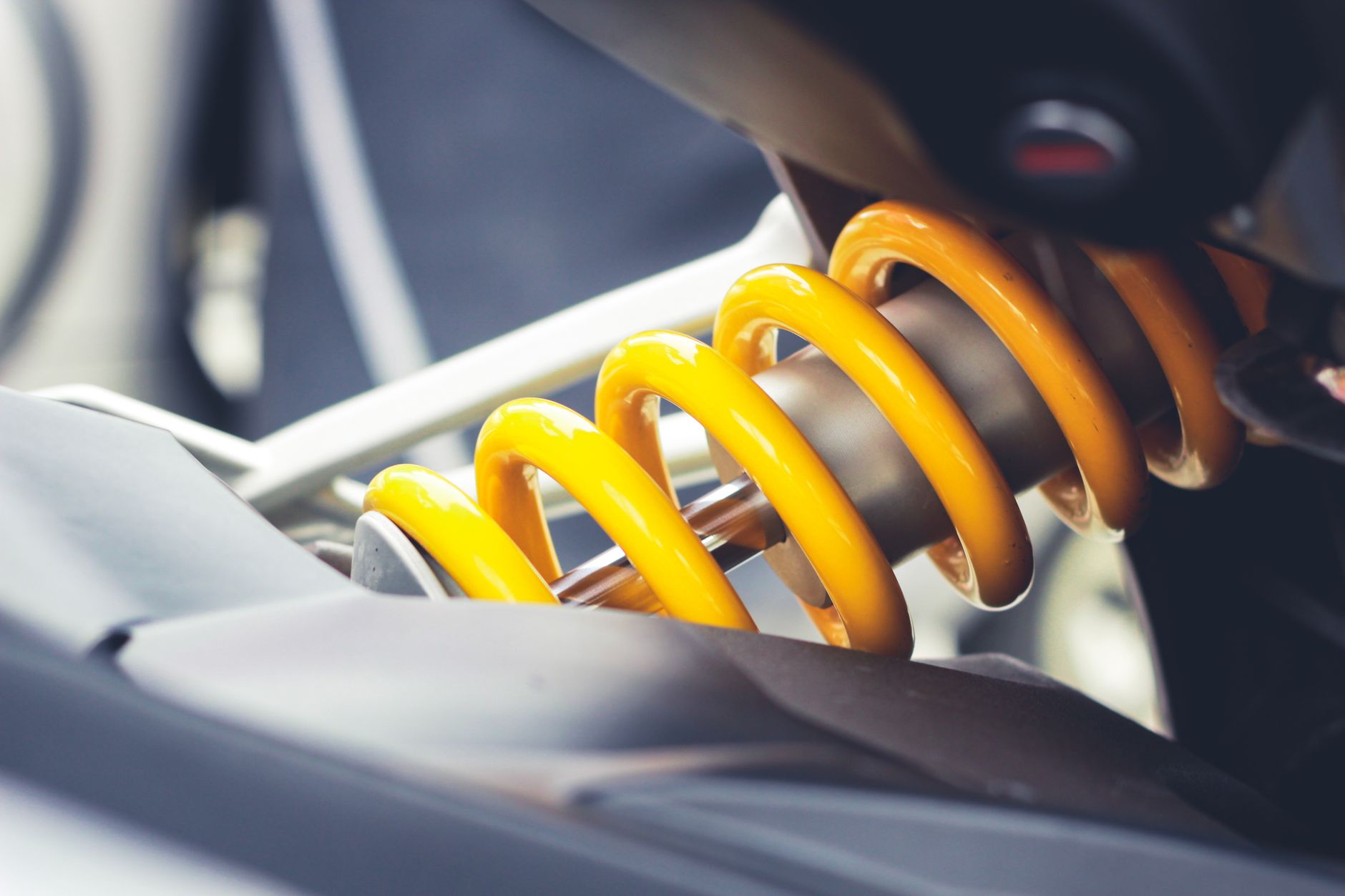
800V Fully Active Suspension — The Second Revolution of the New Li Auto L9
What the report says
It has been reported that Li Auto (理想汽车) is introducing an 800‑volt fully active suspension system on the refreshed L9 flagship SUV, a move Phoenix Car Research Institute (凤凰汽车研究院) and ifeng have highlighted as the model's "second revolution." Reportedly, the system will tie active suspension actuators to a high‑voltage vehicle bus, allowing faster energy transfer and finer, millisecond‑level control of body motions compared with traditional adaptive dampers. The L9, known as Li Auto’s large three‑row flagship and the brand that popularized extended‑range electric vehicles (EREVs) for Chinese families, is the platform for this experiment in combining high‑voltage electrification with vehicle dynamics.
Why this matters
Active suspension is not new. But an 800V architecture powering fully active actuators is notable because 800V systems have until now been discussed mainly in the context of ultra‑fast charging and high‑power drivetrains (seen in some European and South Korean EVs). If Li Auto can reliably integrate such a bus for chassis control, the gains could be substantial: less body roll, improved ride comfort at highway speeds, and potentially lower energy losses for suspension actuation. Yet this is also technically demanding. Active systems require significant power electronics, software, and cooling — and their benefits must justify the added complexity and cost.
Bigger picture and risks
This development comes as Chinese automakers push to consolidate advantages in both hardware and software, aiming to outpace legacy rivals on user experience as well as range and performance. But questions remain. Can supply chains deliver the specialized semiconductors and power modules needed for mass production? How will long‑term reliability and safety be validated? Geopolitical tensions and export controls on advanced chips and components may complicate sourcing for high‑voltage power electronics, and it has been reported that suppliers are already scrambling to adapt.
What to watch next
Expect Li Auto (理想汽车) to roll out technical demos and controlled fleet tests before broader availability; regulatory approval and durability data will be key. Will customers pay a premium for noticeably better ride and handling? Can competitors match or leapfrog this integration of 800V electrification into vehicle dynamics? The answer will shape the next phase of China’s EV race.