Honor’s “Lightning” Robot Reportedly Wins Beijing Humanoid Half‑Marathon, Breaks Human Record
Race result and the machine
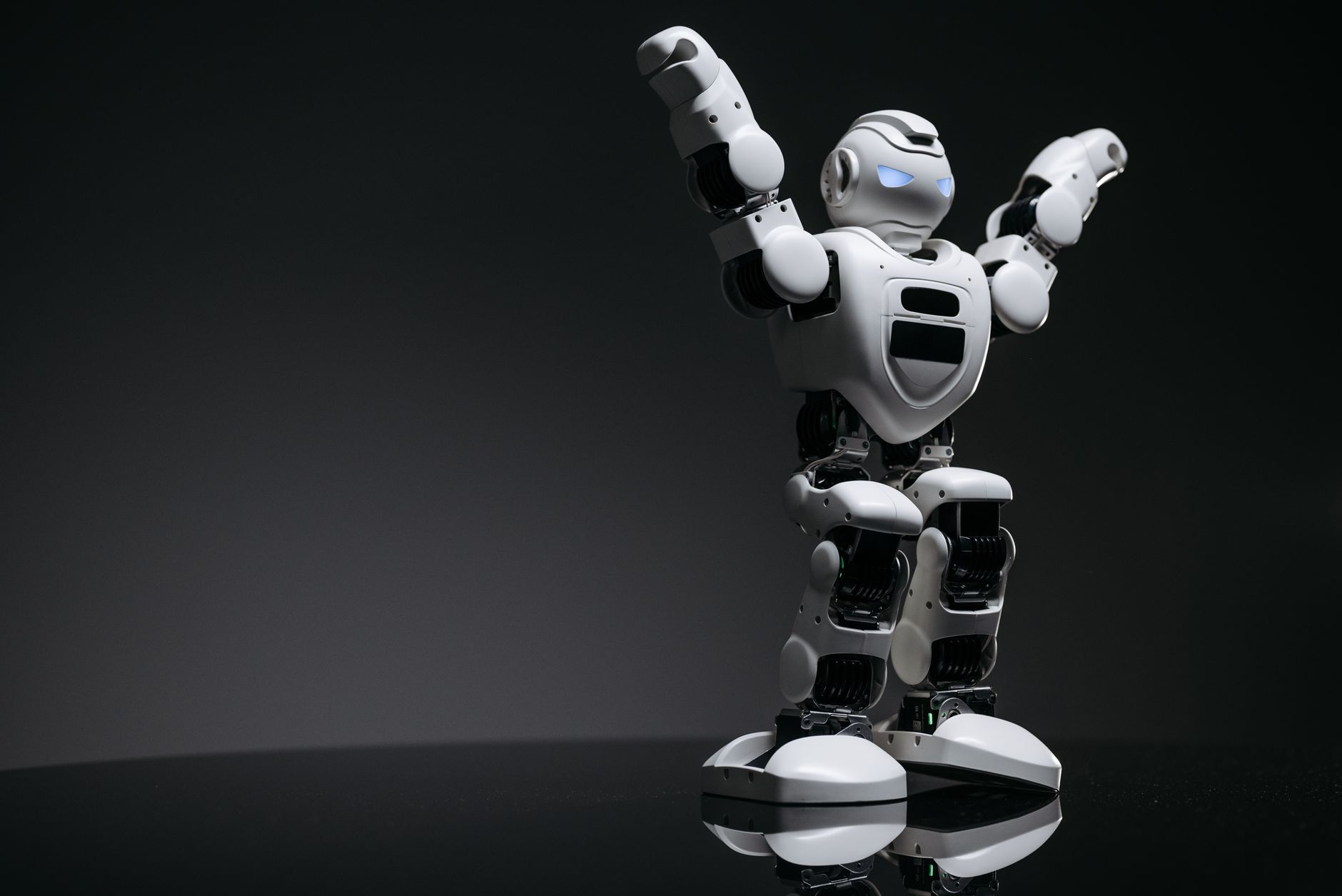
It has been reported that a humanoid robot named Lightning (闪电), fielded by the Qitian Dasheng team (齐天大圣队), crossed the finish line first at a humanoid-robot half‑marathon staged in Beijing’s Yizhuang district, posting a net time of 50 minutes 26 seconds and — reportedly — breaking the human half‑marathon world record. Short and sensational: a 169 cm, mech‑styled runner beat elite human times. Questions about verification and timing standards remain. Who counts this as a human record?
Honor (荣耀) engineer Yao Bin (姚彬) told media the robot’s motors and control algorithms were developed in‑house and that its thermal management draws on the company’s long smartphone engineering experience. The competing machine was described as aerodynamic and visually aggressive, built for speed and explosive acceleration; contest entries included both autonomous‑navigation and remotely operated versions. The autonomous variant reportedly features self‑perception and a high‑dynamic motion system designed for high‑speed running and varied terrain adaptation.
Field, scale and teams
Organizers expanded the event nearly fivefold this year, drawing more than 100 teams from 13 provinces and five overseas entrants. Participants reportedly included the Beijing Humanoid Robot Innovation Center (北京人形机器人创新中心), Honor (荣耀), Yushu (宇树) and Songyan Power (松延动力), alongside academic teams from Tsinghua University (清华大学), Peking University (北京大学) and the University of Science and Technology of China (中国科学技术大学). Honor said its development team is spread across Beijing, Shanghai and Shenzhen; the machine also implements on‑track interaction cues — lights and emblematic gestures — to communicate with spectators.
Why this matters
Beyond the spectacle, the result highlights Beijing’s accelerating investment in domestic robotics engineering at a time of heightened geopolitical tech competition. With Western export controls and broader supply‑chain tensions in play, Chinese firms have been pushed toward greater in‑house capability for motors, control systems and thermal materials — precisely the areas Honor claims to have leveraged. Verification and regulatory questions will follow: how should athletic records and safety standards account for increasingly human‑like machines? For now, the feat has captured attention and raised debate about the boundary between sport and machine performance, even as independent confirmation of the record remains pending.