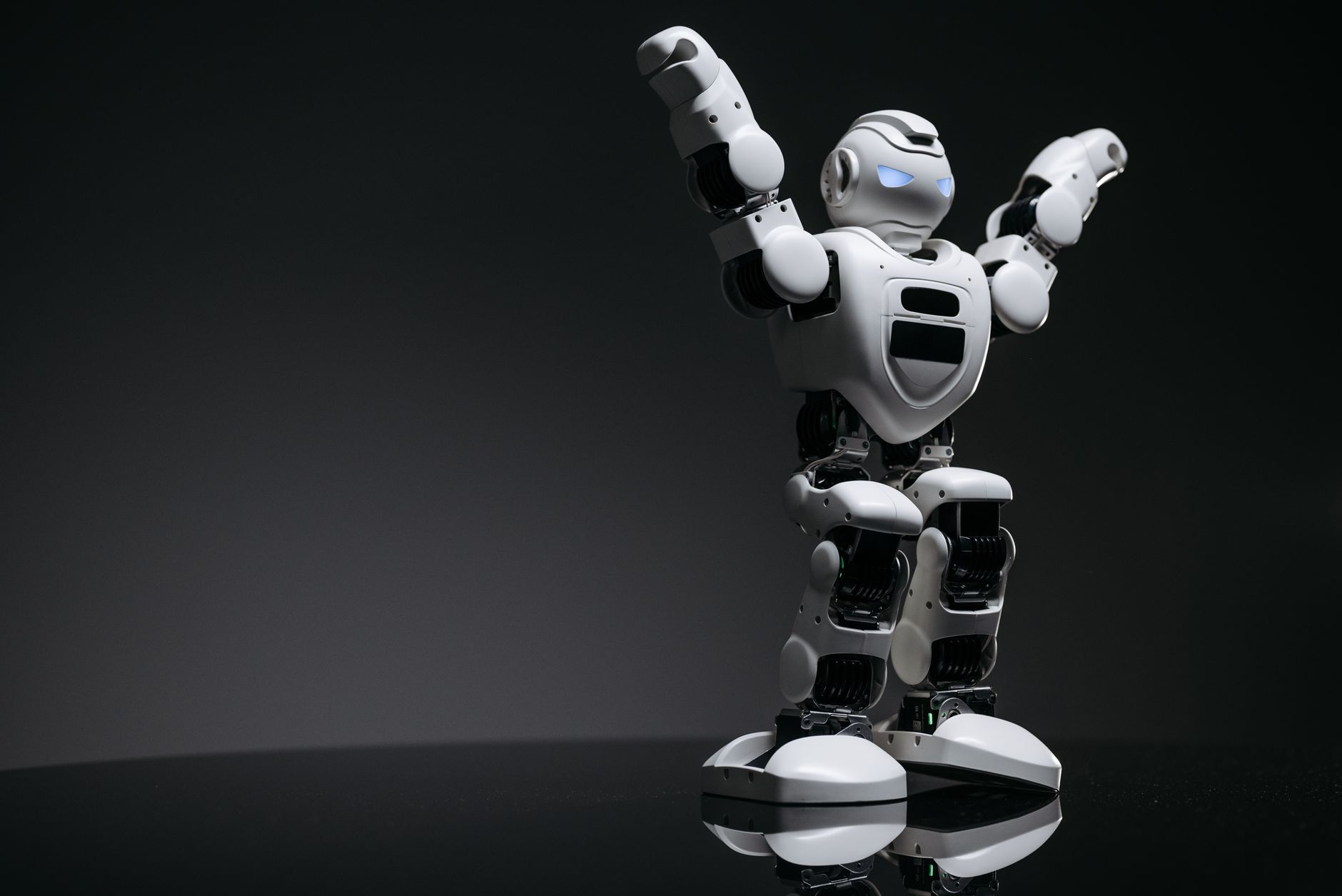
Robot runs a half‑marathon — not a contest of speed but of abstraction
Race and results
At the 2026 Beijing Yizhuang Humanoid Robot Half‑Marathon (2026北京亦庄人形机器人半程马拉松), Honor (荣耀)’s "Lightning" (闪电) robots swept the podium, taking first through third. The winning Lightning finished the 21‑kilometre course in 50 minutes 26 seconds, while another entry, "Yuanqizai" (元气仔), took home the event's "Best Gait Control Award" for its notably humanlike stepping. AAC Technologies (瑞声科技, 02018.HK) was identified as a core supplier, reportedly providing key precision structural components that underpinned those results.
Engineering over raw speed
Organizers framed the race as an engineering stress test rather than a pure sprint: long distance, high‑frequency gait cycles and sustained impact forces were designed to reveal durability and control limits. AAC says its contributions — a composite approach using aviation aluminium, bearing steel, fiberglass and high‑polymer materials — reduced joint wear and the drive burden while keeping the chassis both stiff and light. The effect: better motion transmission efficiency and tighter positional accuracy during repeated high‑speed steps.
Manufacturing and industrial implications
For Yuanqizai, AAC reportedly produced head and leg core motion units using a combination of MIM (metal powder injection molding) and CNC precision machining, enabling rapid design validation and short‑cycle volume production of custom parts. The broader takeaway is clear: the competition’s winners were as much the suppliers as the robot brands. AAC’s push into dexterous hands, linear joints, acoustic sensing and precision manufacturing signals a supply‑chain shift from one‑off prototypes to platformized, industrialized capability.
Context: why this matters
Why does a robot half‑marathon matter to Western readers? Because performance ceilings increasingly reflect supplier depth, not just algorithmic cleverness. It has been reported that Western export controls on advanced chips and sensors have accelerated China’s emphasis on domestic precision manufacturing and platformized supply chains — a geopolitical backdrop that helps explain why hardware engineering, not only software, is now front and center in China's robotics race. Who will set the next performance floor — system integrators or specialist suppliers? The answer will shape the next phase of commercial humanoid robotics.