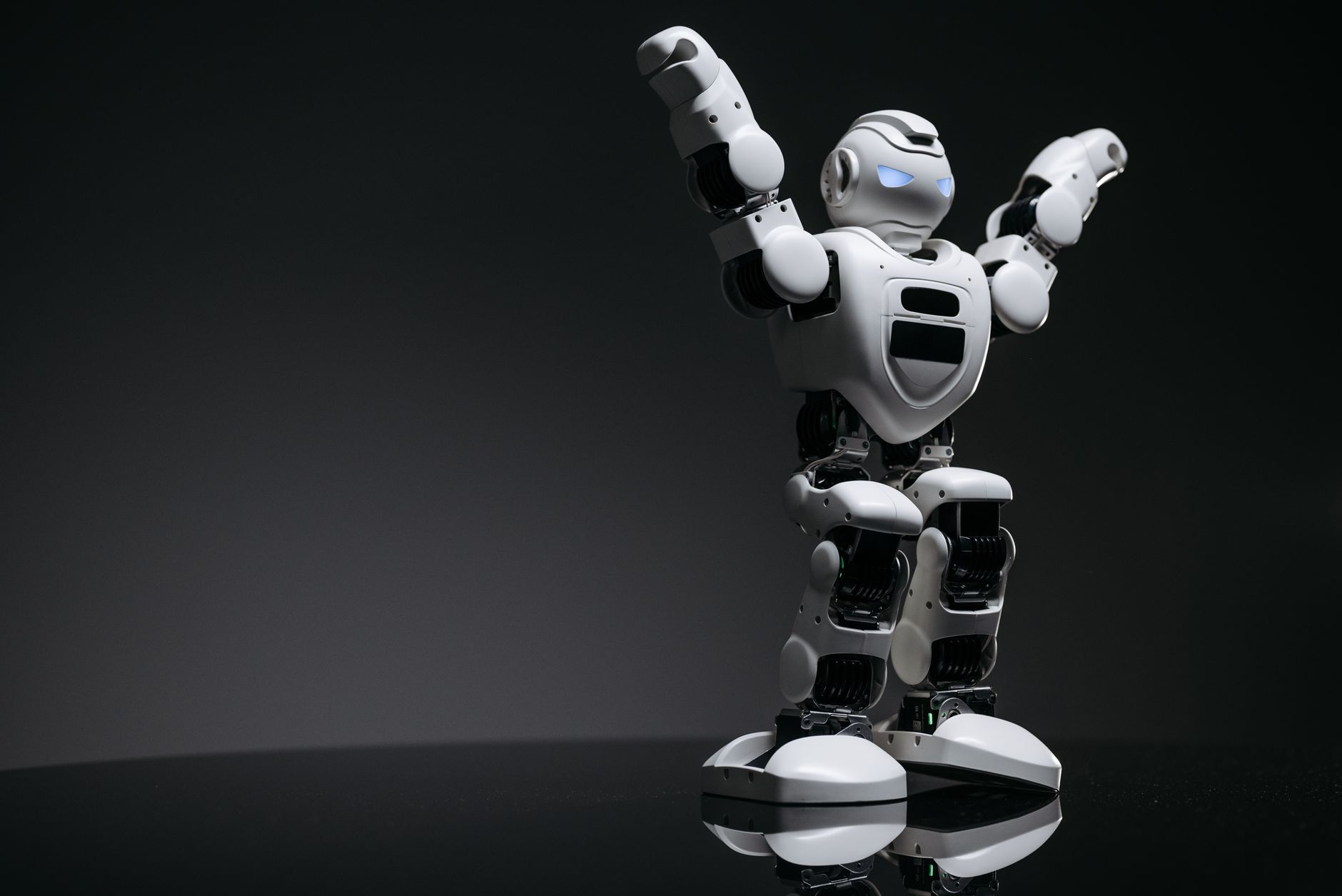
Unitree (宇树) H1 'collapses from exhaustion' at half‑marathon finish; staff use stretcher in emergency response
Summary
It has been reported that a Unitree (宇树) H1 humanoid prototype collapsed from exhaustion at the finish line of the Beijing Yizhuang humanoid‑robot half‑marathon and was carried off on a stretcher by staff. The incident unfolded amid a high‑profile event that drew more than a hundred teams from companies and universities across China and five overseas entrants. Organizers say emergency crews responded quickly; the cause of the collapse has not been confirmed.
Race highlights
The race—part competition, part field test—was won on weighted scoring by the autonomous Qi Tian Da Sheng team (齐天大圣队), whose “Lightning” robot (闪电) recorded a net time of 50:26. That mark, organizers noted, was faster than the human half‑marathon world record of 56:42, though the event used separate autonomous and remote‑control categories with 1.0 and 1.2 weighting factors respectively. The first machine to cross the line was a remote‑controlled Honor (荣耀) “Lightning” model with a raw time of 48:19; after the 1.2 multiplier its total time equated to roughly 57 minutes. Participants included the Beijing Humaniform Robot Innovation Center (北京人形机器人创新中心), Unitree (宇树), Songyan Power (松延动力) and teams from Tsinghua (清华), Peking (北大) and USTC (中科大).
Incident details and outlook
Details remain sparse. Reports say Unitree staff used a stretcher for emergency response after the H1 apparently stopped moving at the line; there are no confirmed reports of injuries to people. Organizers emphasized that the event is designed as both a competition and a technology validation exercise—autonomous navigation entries made up about 40% of the field, a record high—and that data from incidents will feed into safety and reliability improvements.
Why it matters
This was more than a race. Beijing officials framed the event as part of a push to build an innovation chain from “technology validation—industry collaboration—scenario landing—commercialization empowerment,” accelerating humanoid robots toward real‑world use. But can complex bipedal machines reliably complete long‑distance, uncontrolled tasks? With Western export controls and intense US‑China tech rivalry pushing China to double down on domestic robotics, events like this are a live test of both performance and operational safety — and setbacks, reported or confirmed, will shape how quickly the sector moves from lab demos to everyday applications.