Zhiyuan (智元) launches "358 Grand Plan" to industrialize embodied AI — can humanoid robots become real productivity tools?
Big promises, fast timeline
Zhiyuan (智元) unveiled its "358 宏图计划" at the 2026 Zhiyuan Partners Conference, setting aggressive revenue and commercialization milestones for embodied intelligence. It has been reported that Zhiyuan expects to have reached 1 billion yuan in revenue in 2025 (its third year), aims for more than 10 billion yuan by 2027 and targets over 100 billion yuan by 2030 — a three‑stage growth curve the company calls 0-1, 1-N and the next scaling wave. Deng Taihua (邓泰华), the company executive who presented the plan, framed 2026 as the "deployment year" when the industry moves from pilots to production.
Products and deployment scenarios
Zhiyuan rolled out seven "deployment‑mode productivity solutions" designed to land embodied intelligence in real factory and service settings. The solutions reportedly cover loading/unloading on production lines, industrial handling, logistics sorting, guided sales and touring, retail service stations, security inspection and commercial/industrial cleaning. The company says these scenarios are the first practical footholds for what it calls "embodied productivity."
Humanoid ambitions and capacity claims
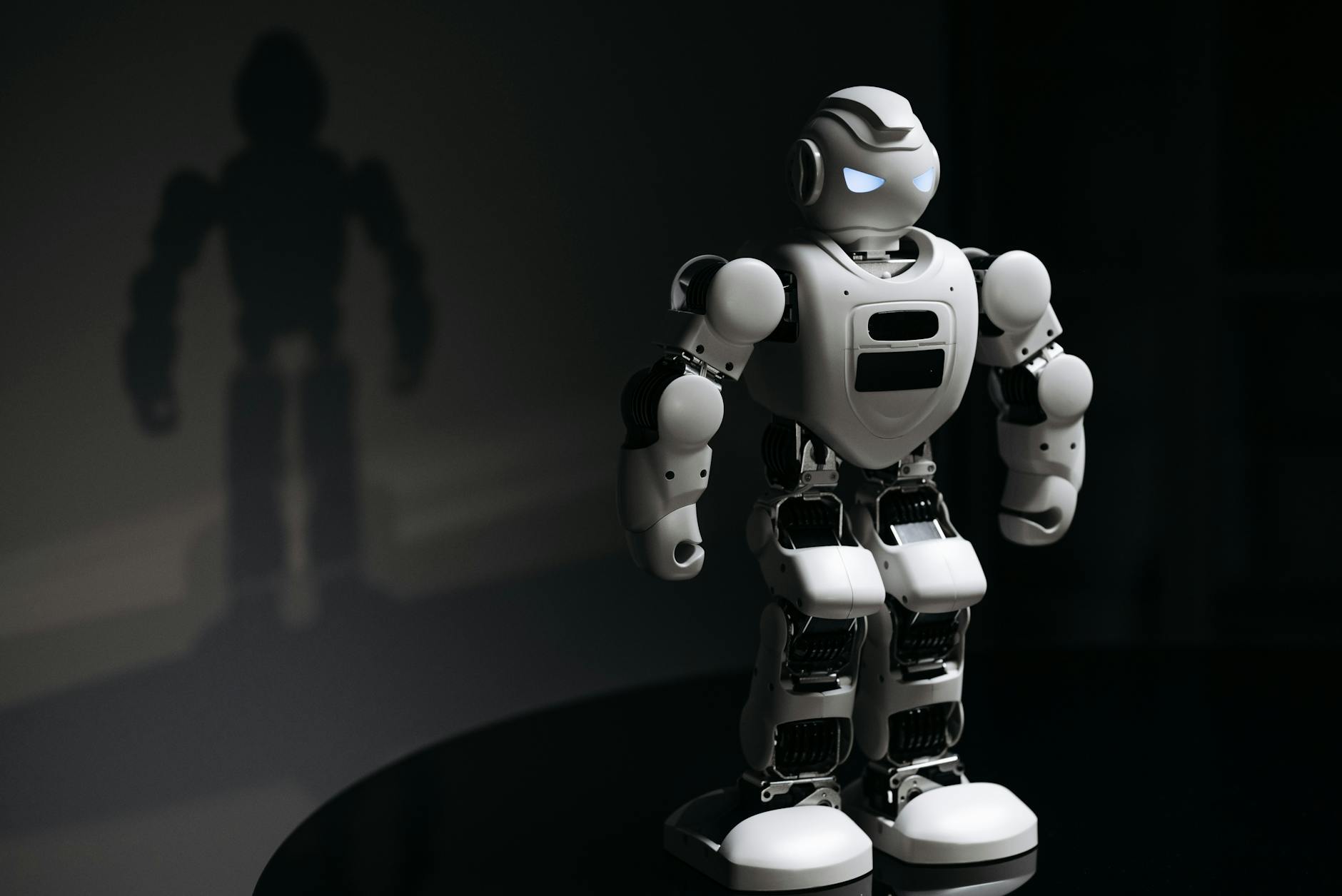
On the hardware side, Zhiyuan said its full‑size humanoid "Expedition" (远征) series will enter a third generation in 2026 and that the firm expects single‑product shipments to exceed ten thousand units over time. It has been reported that more than 2,000 Expedition units have already shipped, with second‑quarter capacity reportedly fully booked and third‑quarter orders opening. Can a startup scale humanoids from demos to tens of thousands of units? That remains the central question for customers and investors.
Context and caveats
The push comes as China accelerates efforts to convert AI research into physical automation — a priority sharpened by global tech competition and export controls on advanced chips and AI accelerators that complicate supply chains for robotics. The details reported by IT之家 and republished on Phoenix (ifeng) include a platform notice stating the content was uploaded by a third‑party user, and some figures remain company claims rather than independently verified facts, so readers should treat milestones and booking numbers as reported rather than independently confirmed.