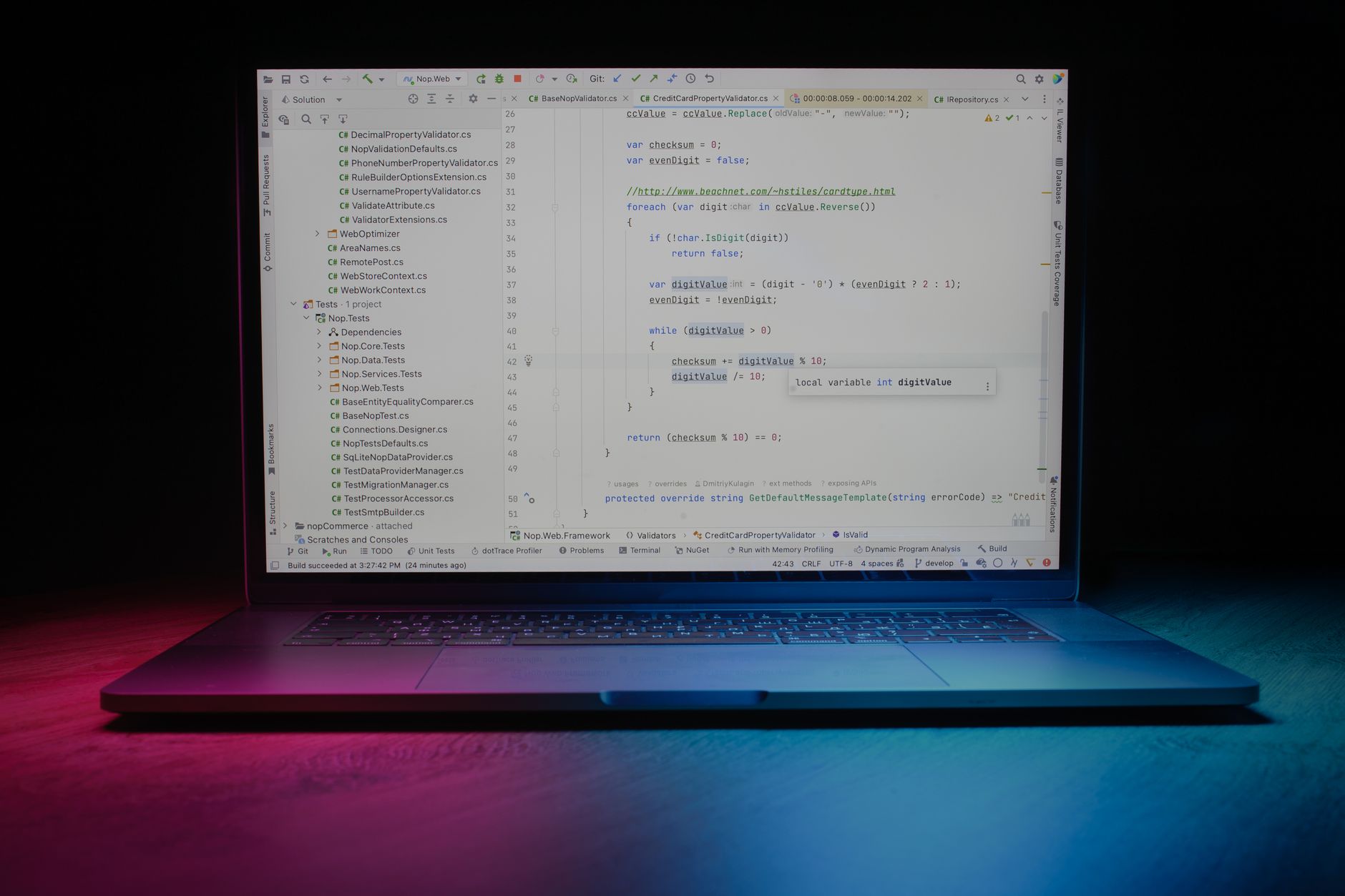
AI can self-audit code: Opus 4.7 takes action to resolve the "code mountain"
The leap: from suggestions to self-directed fixes
It has been reported that the latest Opus 4.7 update equips large models with the ability to not only identify bugs and smells but to autonomously audit, test and remediate code — effectively chipping away at the industry's long-feared "code mountain" of legacy systems and technical debt. Short version: models are moving from passive assistants to active agents that can open PRs, run CI, and push refactors without human-by-human handholding. That shift matters because it changes where value sits in the software stack.
Why this threatens traditional SaaS
Since 2023 the market has worried about "model eats software." The concern is not that packaged apps will vanish overnight, but that natural‑language, agentic models dramatically lower the usage threshold and erode front‑end advantages that long sustained seat‑based SaaS pricing. It has been reported that Anthropic’s enterprise push — embedding Claude into workflows and shipping Claude Code — captured large shares of the enterprise coding market, with Claude Code reportedly generating roughly $1 billion in ARR and the company’s ARR said to have topped $19 billion in early 2026. Usage‑ and outcome‑based pricing from model vendors contrasts directly with legacy per‑seat subscriptions, and investors have already marked down software multiples as a result.
What Opus 4.7 means for developers and buyers
If Opus 4.7 can reliably self‑audit and remediate code, enterprises could dramatically cut the cost of maintenance and speed delivery — but they will also shift spend from licensed tools and per‑seat contracts to model access and consumption. Reportedly the new capabilities focus first on repeatable, standardized tasks — test generation, dependency upgrades, interface refactors — the same shallow, high‑volume functions large models replace fastest. For developers this promises relief from low‑value toil; for incumbent vendors it raises hard questions about product differentiation and monetization.
Bigger picture: market and geopolitical context
The global software market is huge (approaching $500 billion today, with SaaS forecast by IDC to near $1 trillion by 2029), and geopolitical factors — export controls on chips and supply‑chain tensions — are accelerating divergent stacks and regional AI strategies. Who benefits? Model builders that integrate deeply into enterprise workflows stand to capture the plumbing of work itself. Who loses? Vendors whose value was tied to UX complexity and seat pricing. So the question becomes less technical and more commercial: when agents can self‑audit and act, who pays for software?