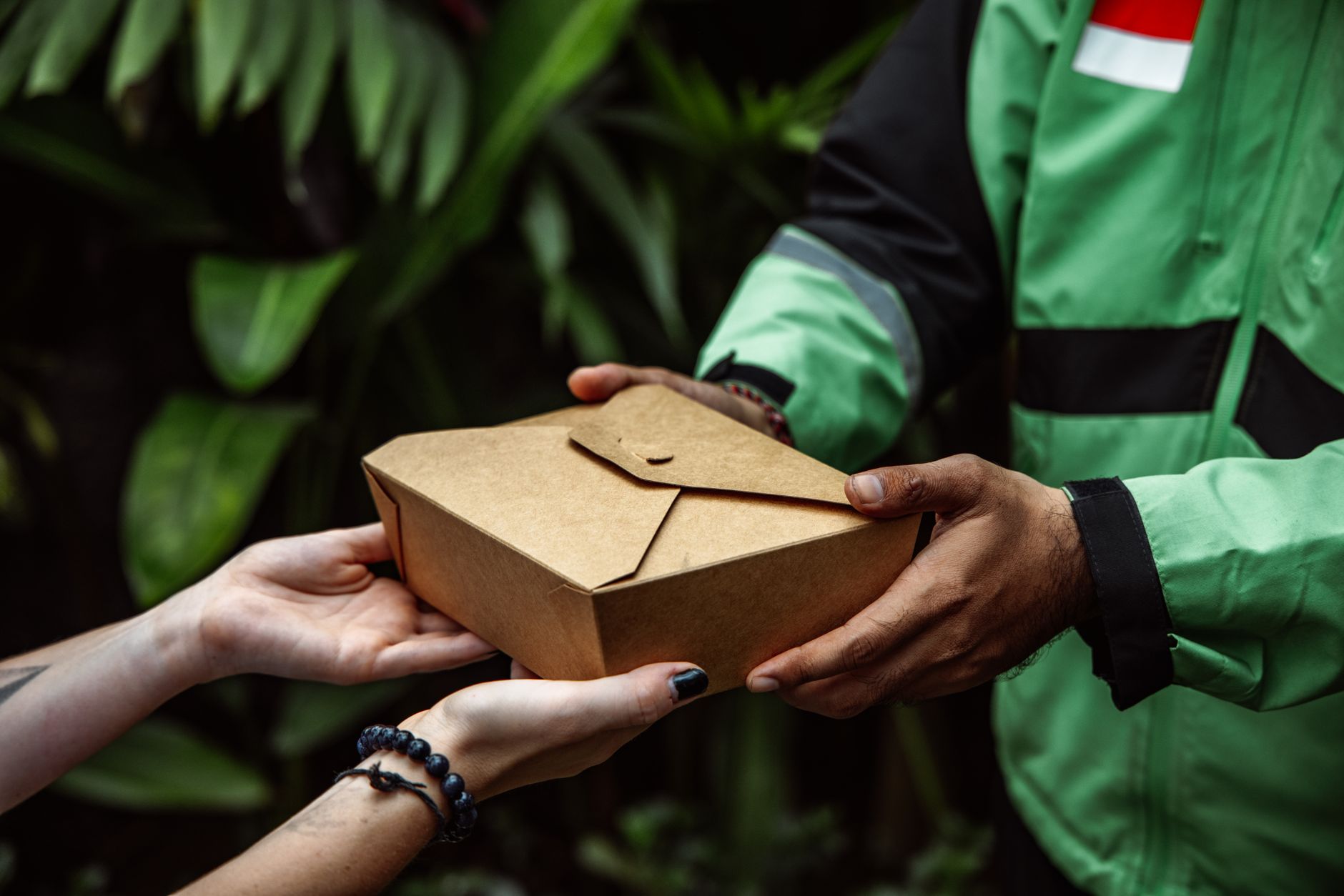
JD Waimai (京东外卖) launches first smart temperature-controlled hot-and-cold meal box X1: makes takeout taste like dine-in
Quick take
JD Waimai (京东外卖) has unveiled the X1, its first smart temperature-controlled hot-and-cold meal box aimed at narrowing the gap between restaurant dining and delivery. The move signals a new phase in China's cutthroat food-delivery market, where operators are investing in hardware and logistics to protect food quality and win premium customers. How far can a box change the economics of takeout?
Product and technology
It has been reported that the X1 can actively heat and cool separate compartments, maintain set temperatures during transit, and stream real‑time temperature and location data to couriers and customers via an app. The device reportedly combines phase‑change insulation with active thermoelectric modules and a swappable battery pack to meet the demands of last‑mile delivery. JD Waimai says the system targets common quality complaints—soggy noodles, cold soups—and is designed to be compatible with existing delivery workflows, though wider rollout details and pricing were not disclosed.
Market implications
The launch arrives as rivals such as Meituan (美团) and Ele.me (饿了么) increasingly experiment with hardware, logistics upgrades and service differentiation to defend market share. For Western readers: in China, food‑delivery platforms compete not only on app features and discounts but also on logistics tech that can materially affect food quality and consumer willingness to pay. There are also supply‑chain and policy angles to watch—advanced thermoelectric components and IoT chips are affected by global trade controls, so domestic sourcing and cost management will matter for scaling the X1.
Outlook
If X1 achieves measurable improvements in meal quality and delivery efficiency, it could justify higher delivery fees or subscription models. But adoption will depend on operational fit, rider acceptance, and total cost of ownership. It has been reported that JD Waimai plans pilot deployments with select restaurants before a broader rollout; the results of those trials will determine whether smart meal boxes become standard equipment or another niche experiment in China's relentless delivery wars.