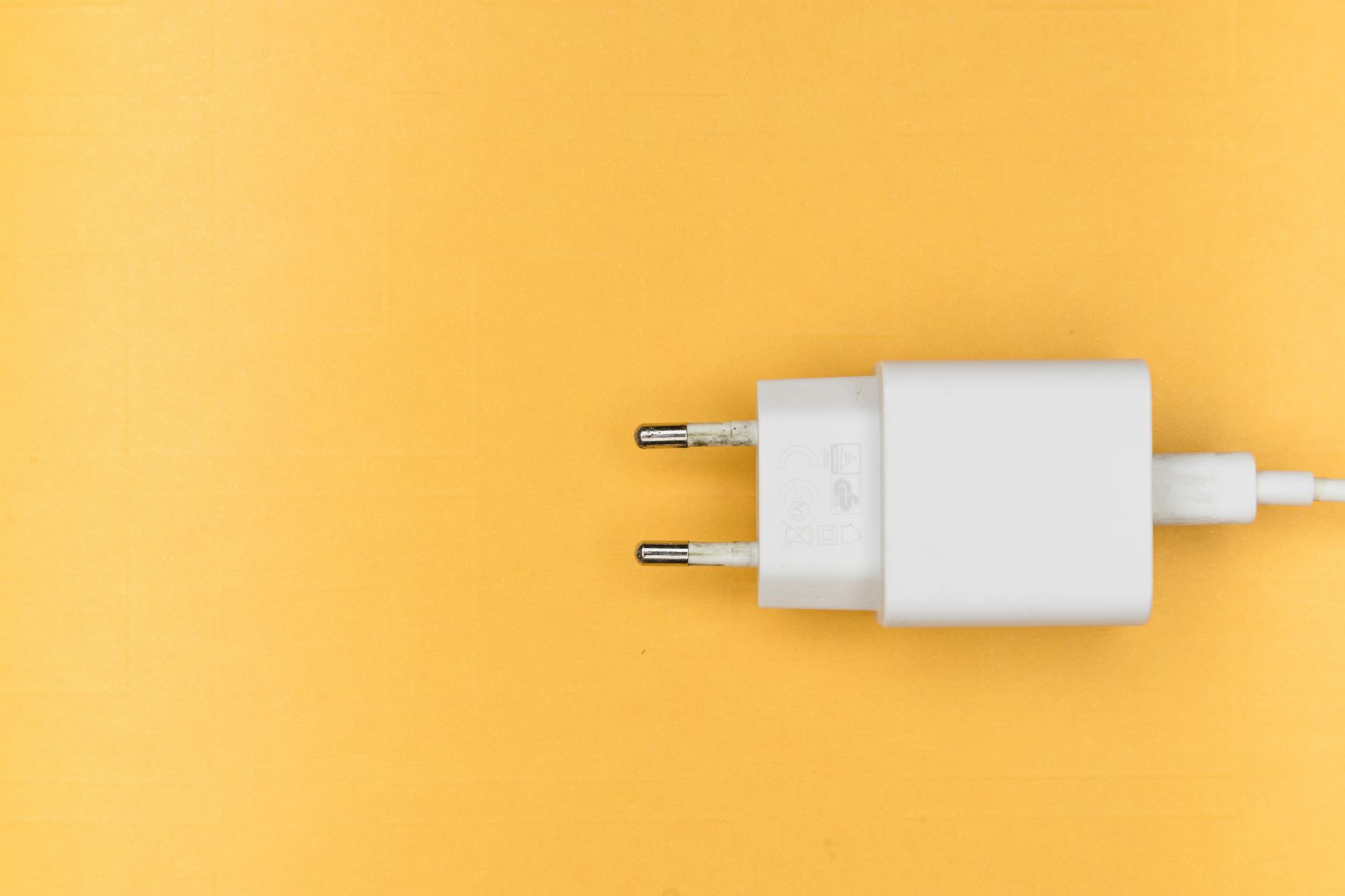
Luo Yonghao mocks “120W” charger trademark — how did a numeric specification become someone’s brand?
What happened — and why people are baffled
Luo Yonghao (罗永浩), the outspoken entrepreneur-turned-influencer, has publicly ridiculed a recent trademark registration that reportedly grants exclusive rights over the mark “120W” for chargers. The reaction was immediate. Why would a raw technical specification — the power rating printed on many phone adapters — be treated like a brand name? Consumers and industry watchers asked the same question: can anyone really corner a common engineering term and block competitors?
How such a brazen registration could succeed
It has been reported that the mark was approved under China’s trademark regime, which historically operated on a “first-to-file” basis and has been vulnerable to registrations of generic terms and numbers by opportunistic filers. China’s National Intellectual Property Administration (国家知识产权局, CNIPA) has in recent years tightened scrutiny and pushed anti‑bad‑faith reforms, but gaps remain. Numeric marks sit in a gray area: they can serve as distinctive logos in some contexts yet be purely descriptive in others. When an examiner treats “120W” as inherently distinctive rather than a functional descriptor, approval becomes possible — even if it seems absurd to engineers and consumers.
Why it matters beyond a viral punchline
This is not just a trollworthy moment on Weibo (微博). If technical specifications can be monopolized through trademarking, smaller manufacturers and component suppliers may face legal uncertainty or be forced into licensing deals for language they’ve always used. In a broader geopolitical frame — where Chinese firms compete globally while supply chains and standards draw international scrutiny — predictable IP rules matter for both domestic competition and foreign firms operating in China. It has been reported that public backlash is already mounting, and analysts expect either administrative review or legal challenges aimed at cancelling marks that are primarily functional or generic.
Next steps and the wider lesson
Expect a short-term publicity storm and, possibly, an administrative petition or court case. The incident highlights a recurring tension in China’s IP landscape: rapid institutional reform has reduced some abuse, but first-to-file incentives and inconsistent examination leave space for odd registrations. Should regulators clamp down? Many think so. In the meantime, Luo’s mockery turned a technicality into a national conversation about what should — and should not — be owned in the age of ubiquitous, standardized technology.