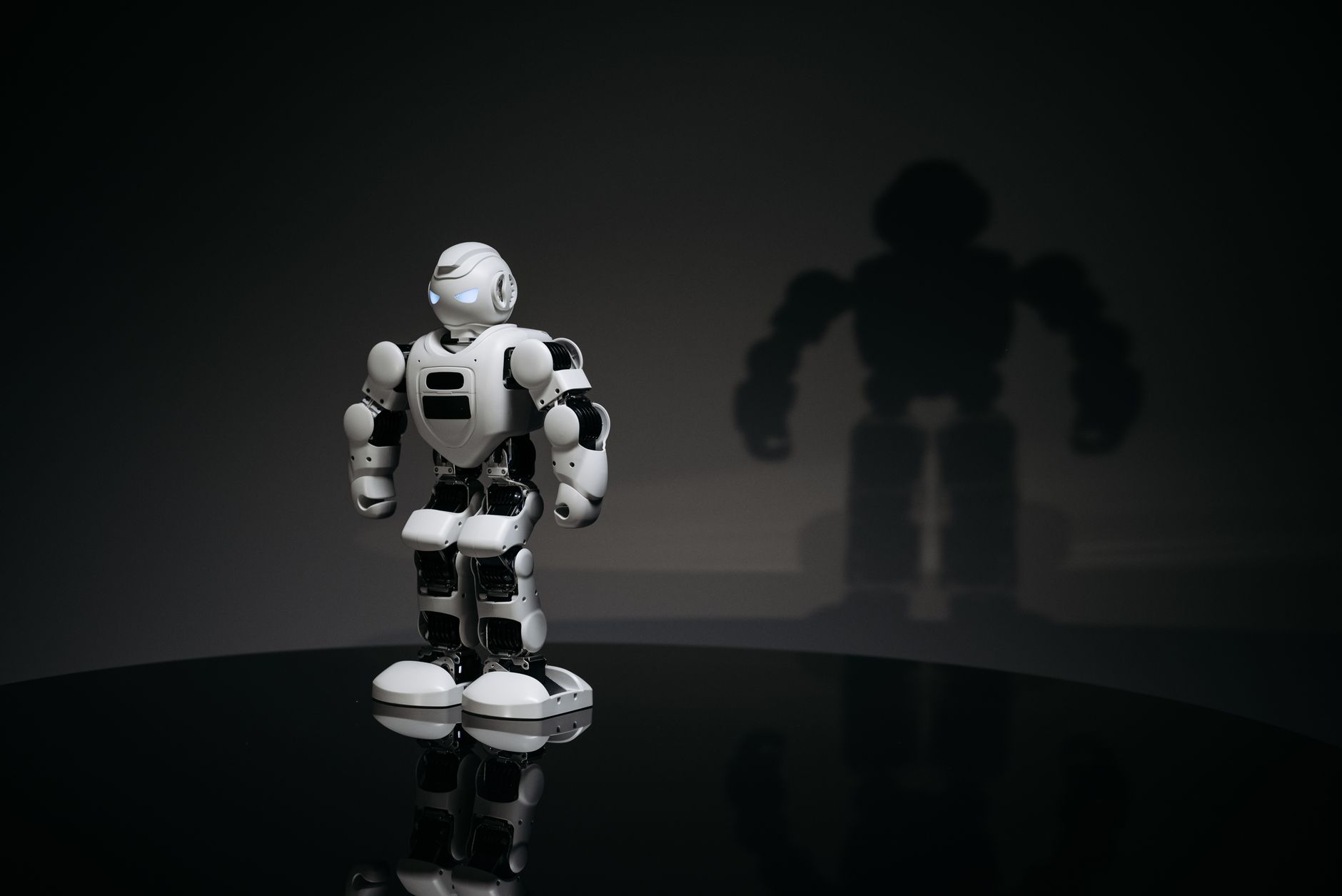
Zhi Yuan (智元) unveils full-size humanoid Expedition A3 — 10‑hour battery and “air walking” touted
New generation humanoid aims to push endurance limits
Zhi Yuan (智元), a Chinese AI and robotics firm, has released its next-generation full-size humanoid robot, the Expedition A3. It has been reported that the company claims a 10‑hour battery life — a notable improvement if validated — and that the robot supports a feature the company calls “air walking,” which it says improves mobility in complex environments. The announcement follows a string of demos from Chinese firms seeking to close the gap with Western humanoid efforts.
What Expedition A3 is built to do
According to reports, Expedition A3 is designed for prolonged, human-scale tasks across logistics, facility maintenance and potentially service roles where long endurance is critical. It has been reported that “air walking” enables brief mid‑air foot trajectories or stepping gaits intended to clear obstacles and better mimic human locomotion, though independent verification of the capability and its practical utility is not yet available. Zhi Yuan positions the platform as a step toward real‑world deployment rather than lab‑only showcases.
Specs, rivals and supply-chain realities
The A3’s headline figures — especially the 10‑hour runtime — are being watched closely because battery life and power density are persistent bottlenecks for full‑size humanoids. It has been reported that Zhi Yuan is leveraging domestic component suppliers, a common strategy as Chinese robotics firms contend with global export controls and restrictions on advanced chips and sensors. How Expedition A3 stacks up against competitors such as Tesla’s Optimus or Boston Dynamics’ platforms will depend as much on software maturity and reliability as on headline hardware claims.
Why this matters beyond the demo
Longer‑endurance humanoids would widen the use cases for robotics in aging societies and labor‑intensive industries. But technical claims require field validation, and there are broader regulatory and export implications for advanced robotics development in China. Can Zhi Yuan move from impressive demos to reliable, scalable deployments? Observers will be watching tests, customer pilots and the supply‑chain choices that determine whether the Expedition A3 is a breakthrough or another step in a long march.