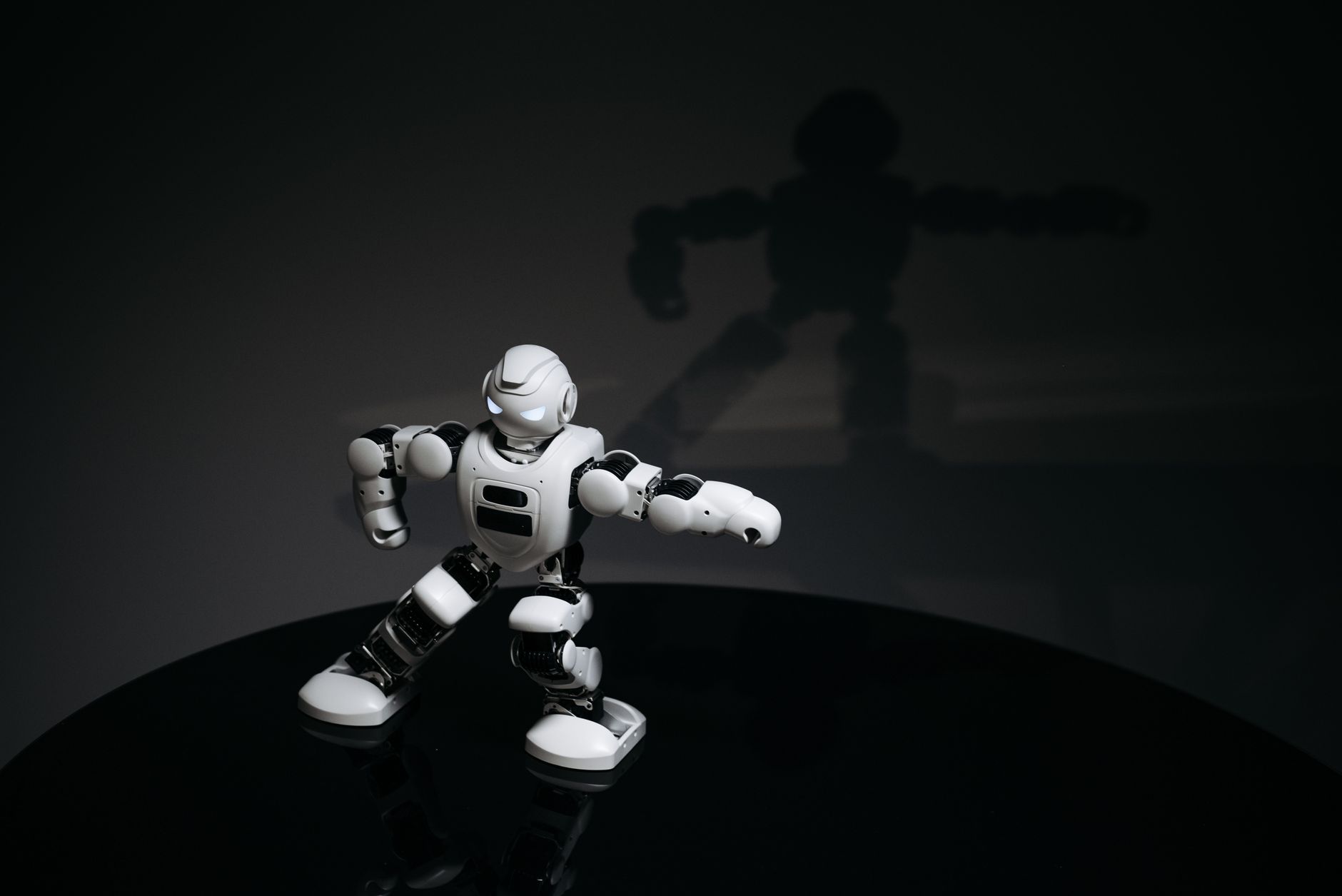
ZhiYuan’s (智元) full‑size humanoid Yuanzheng A3 debuts, pitched as a “stage‑ready” performer
ZhiYuan (智元) today unveiled its next‑generation full‑size humanoid robot, the Yuanzheng A3 (远征 A3), positioning the machine squarely for entertainment and commercial performance work. IT Home (IT之家) reported the launch, saying the A3 is “born for the stage” — a claim that frames the product less as industrial automation and more as a content and live‑show tool. Is this a stunt or a serious step toward humanoid robots in consumer entertainment?
Technical highlights
It has been reported that the A3 uses a new in‑house joint architecture with a peak current of 150A and instantaneous power of 12 kW. The chassis replaces traditional aluminum with magnesium alloy and reinforces stress points with titanium, cutting weight to 55 kg and yielding a reported thrust‑to‑weight ratio of 0.218 kW/kg — “comparable to million‑dollar supercars,” the company claims. Mobility features include backflips and air‑walking, and the machine is natively integrated with ZhiYuan’s Lingchuang platform (灵创平台) to let users upload, download and share motion content.
Use cases, endurance and industry context
It has been reported that the A3 carries full‑pancake (全极耳) cells and dual‑battery technology for a claimed 10‑hour endurance, supports 10‑second battery swaps and 24‑hour continuous operation; these figures refresh industry claims if validated. The robot stands 173 cm tall with a 1:9 head‑to‑body ratio, offers customizable shells and role profiles via the Lingxin platform (灵心平台), and ships with UWB centimeter‑level fused positioning for synchronized group choreography without hardware mods. ZhiYuan also touts shoulder touch sensors and multimodal voice/vision interaction, and says a single person can carry the unit into an ordinary SUV. The firm says the A3 passed 92 factory tests and has a three‑year design life.
China’s push into humanoid robotics dovetails with broader state and private investment in AI hardware and content ecosystems. Amid U.S. export controls and supply‑chain scrutiny, domestic firms are doubling down on local platforms and parts — and targeting use cases, like live entertainment, that may be less sensitive than industrial automation. Stage gimmick or pioneer? Only deployment and independent testing will tell.