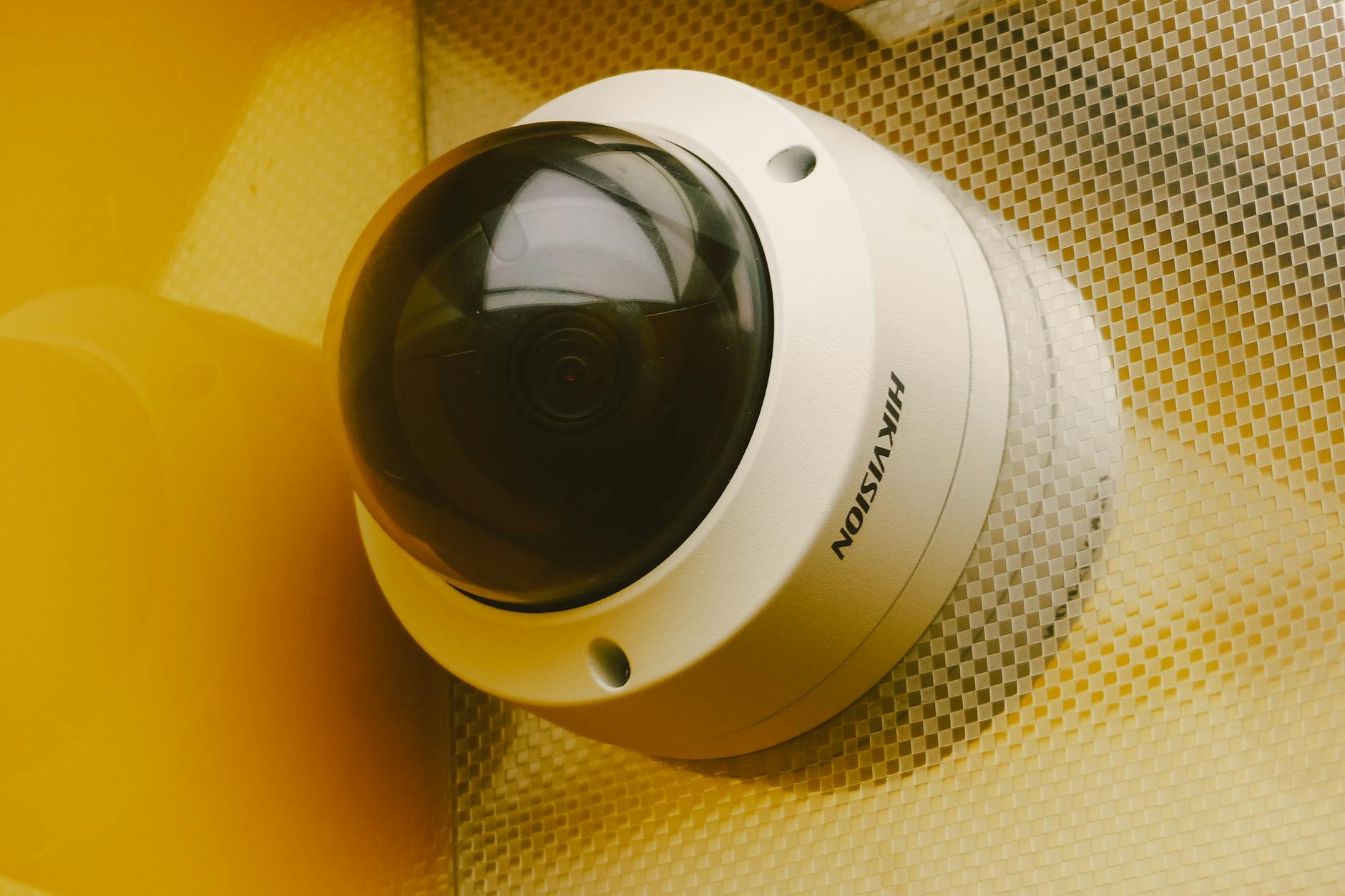
India reportedly moves to replace Chinese-made surveillance cameras, citing security concerns
What happened
It has been reported that India has ordered a ban on imports of so‑called “sensitive technology equipment” from mainland China and is moving to replace Chinese‑made CCTV cameras already in use. The National Highways Authority of India (NHAI) is reportedly leading a major procurement to install contactless cameras — devices that do not require vehicles to slow down — across roughly 1,150 toll plazas, and has shortlisted three suppliers for the project. Why the rush? New Delhi cites unspecified “security risks” tied to devices wholly or partly manufactured in China.
Details and corporate impact
The move, it has been reported, extends measures already in place: from April 1, 2026 India banned sales of networked CCTV and related video‑surveillance products from several Chinese firms and has refused to issue compliance certifications for devices using Chinese chips. Major vendors named in prior Indian measures include Hikvision (海康威视), Dahua Technology (大华股份) and TP‑Link (普联). Dahua has told investors that its overseas business spans more than 180 countries and that exposure to any single market is limited, responding to market rumours about an India ban.
Why it matters
For Western readers: Chinese vendors dominate a large share of the global CCTV market, supplying hardware and software used in cities, transport and private facilities worldwide. New Delhi’s steps reflect broader geopolitically‑driven technology decoupling and scrutiny over data flows and supply chains that has already affected some Chinese tech firms elsewhere. For Beijing, and for the vendors, the Indian market shift risks both revenue loss and a signal that security concerns will shape procurement choices across Asia.
What to watch next
It remains unclear which vendors will win the NHAI tender and how fast existing systems will be replaced. It has been reported that India has selected three suppliers for the toll‑plaza project, but official confirmations and details on technical standards, certification rules and timelines are still pending. Reportedly, the policy could accelerate diversification of suppliers and spur domestic alternatives — but it could also complicate India–China trade ties at a time of heightened strategic competition.