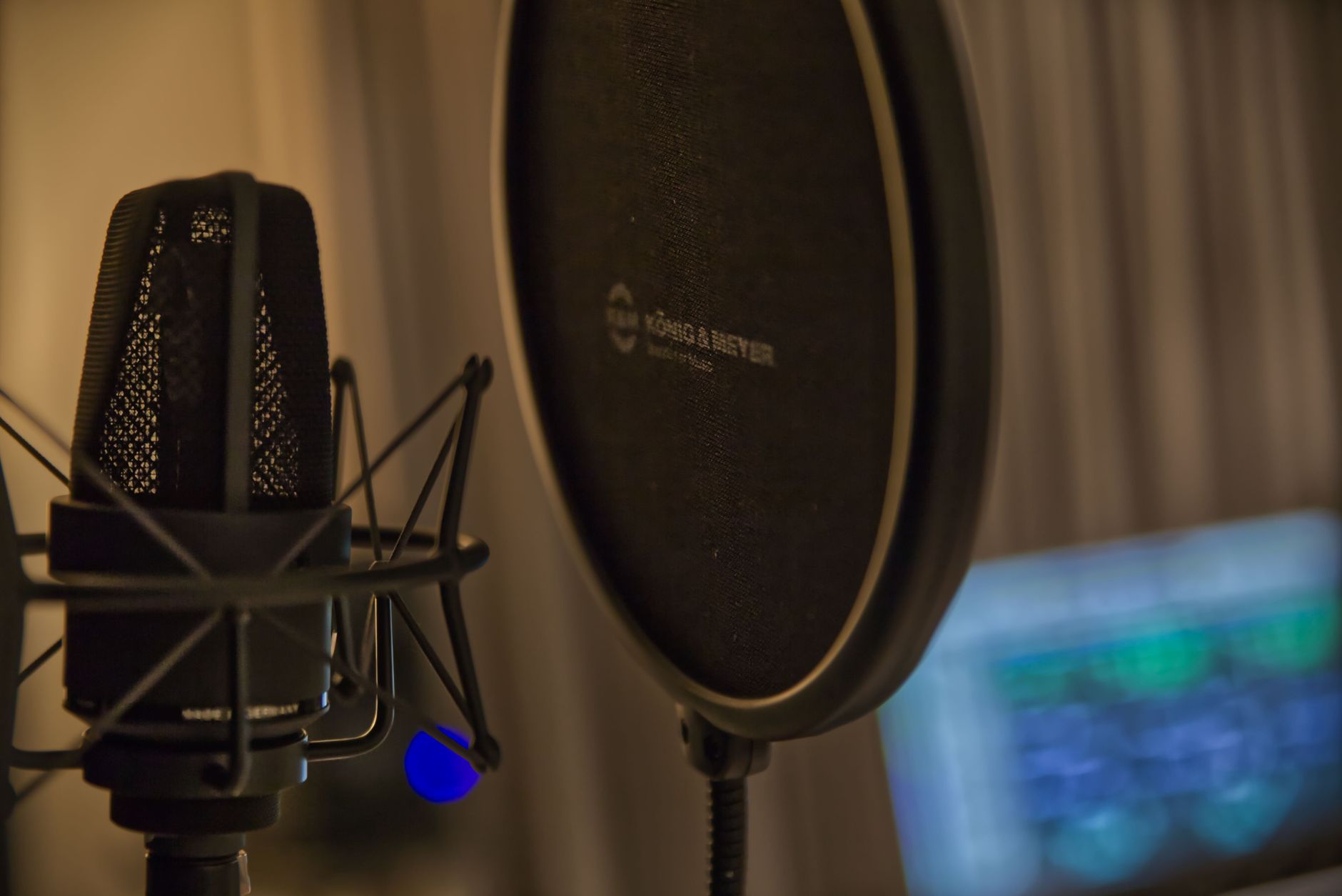
Is AI erasing mid‑tier voice actors? Some short‑drama companies say they’re using AI instead of real voices
Mid‑tier actors squeezed by fast, cheap production
It has been reported that a number of China’s short‑drama production houses are increasingly using AI‑generated voiceovers in place of mid‑tier voice actors. Short‑form web series — the quick, low‑budget dramas that populate platforms such as Douyin (抖音) and Kuaishou (快手) — demand fast turnaround and razor‑thin margins. Producers say synthetic voices cut costs and speed delivery. Voice actors complain about lost work and unlicensed reuse of vocal likenesses. Who wins? The bottom line often decides.
Domestic voice tech and geopolitical pressure
China’s leading speech and AI firms — notably Baidu (百度) and iFlytek (科大讯飞) — have pushed voice synthesis quality sharply higher in recent years, making convincing, inexpensive voices widely available. Reportedly, many smaller studios subscribe to cloud voice services or third‑party models rather than hiring trained performers. That trend is occurring amid broader U.S.‑China tech frictions and export controls on high‑end chips, which have intensified focus on homegrown software solutions and fast commercialization of generative tools.
Rights, regulation and an unsettled market
The shift raises legal and ethical questions. Voice actors say contracts and compensation lag behind technical capabilities. It has been reported that platforms and regulators are under pressure to force clearer labeling of synthetic content and stronger protection of performers’ voice rights. Will policy catch up? For Western readers: China’s online media ecosystem is vast and platform‑driven, and any change in how content is produced ripples quickly through thousands of small studios and freelancers. The immediate future looks like a tug‑of‑war between automation, creators’ livelihoods, and a patchwork of emerging rules.