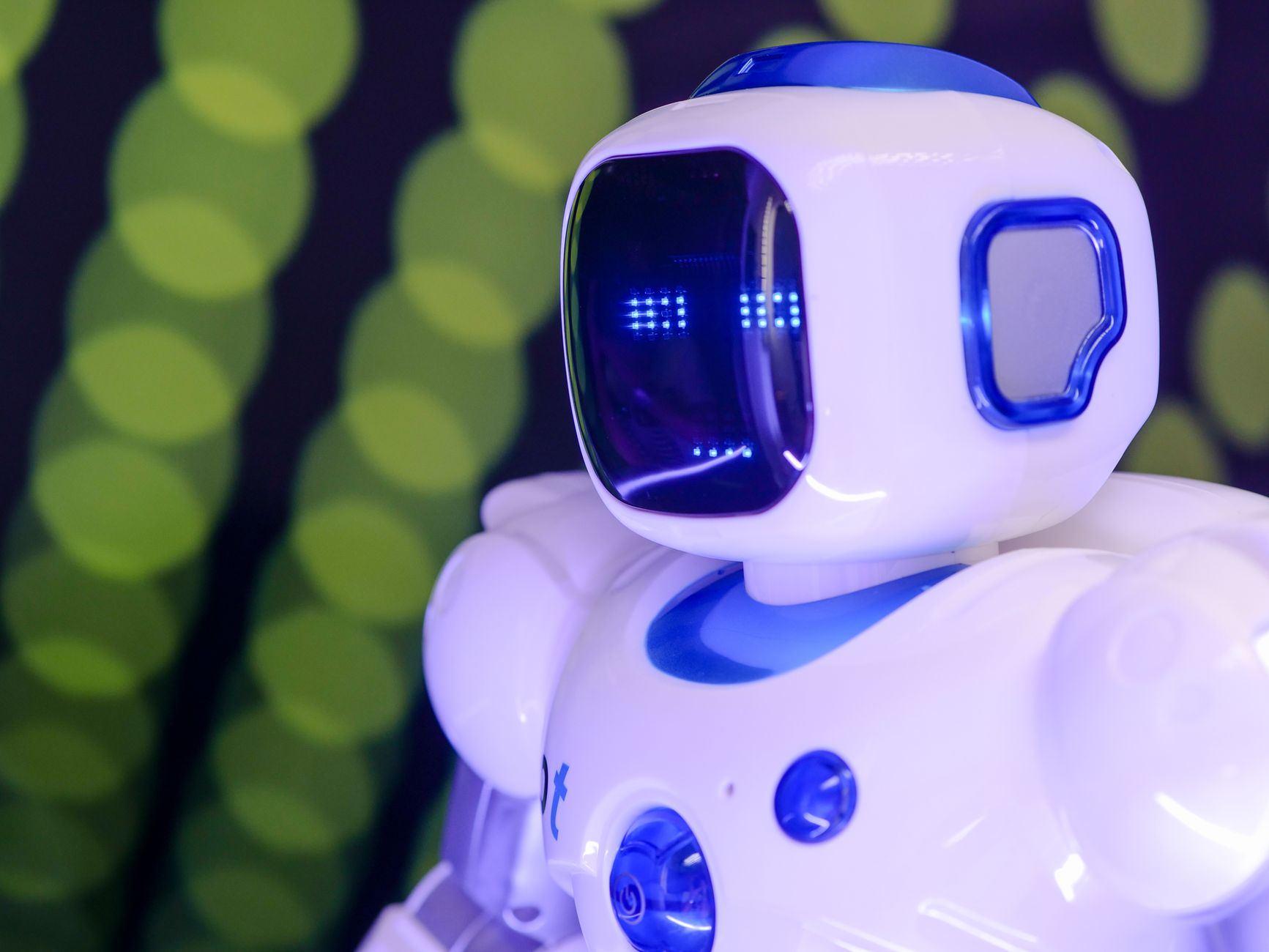
FF debuts at 2026 Global Sustainable Development Summit, shares EAI robot achievements
Summit reveal and a cautious claim
It has been reported that FF used the 2026 Global Sustainable Development Summit to showcase progress on an "EAI" humanoid-robot programme, positioning the firm’s advances as part of a broader push to commercialize embodied AI. The claim came with demo footage and performance metrics; independent verification was not provided at the event. Why does this matter? Because the announcement lands amid a fast-growing, very visible robotics ecosystem inside China that is already blurring the line between laboratory prototype and street‑level service.
Yizhuang (亦庄) — where robots and autonomous cars meet the public
Beijing’s Yizhuang (亦庄) district has become a de facto living lab for both driverless vehicles and humanoid machines. Autonomous taxi pilots from Baidu (百度), Pony.ai (小马智行) and WeRide (文远知行) operate in the area; Beijing opened an “in‑vehicle unmanned” commercial trial on July 7, 2023, and the high‑level autonomous driving demonstration zone expanded to about 600 square kilometres by 2025, with more than 1,000 unmanned vehicles reported on the road. The infrastructure is dense: some 700+ designated stations cover subway exits, commercial hubs, residential compounds and industrial parks — but services remain geographically constrained and require advance booking.
From half‑marathons to robot restaurants — the optics of maturity
The region’s robot ecosystem is substantive: roughly 300 robotics and embodied‑AI firms, and an industry chain reportedly exceeding RMB 100 billion. Symbolic moments — a 2025 humanoid half‑marathon where 20 robots competed and six finished, with podiums occupied by entrants named “天工”, “N2” and “行者二号” — are being cited as proof that locomotion, actuation and control systems are moving from hobbyist showcases to usable tools. Night‑run videos of 20+ robots and the emergence of robot‑themed restaurants (for example, a venue in Yizhuang where humanoid receptionists greet guests) feed both excitement and practical questions: will these machines augment services or displace jobs, and how quickly?
Geopolitics, safety and deployment realities
Any corporate claim about EAI milestones must be read against geopolitical headwinds and domestic policy incentives. China is accelerating domestic AI and robotics capacities as Western export controls and technology‑decoupling debates reshape supply chains. At the same time, public deployment in places like Yizhuang underlines practical limits — regulatory corridors, safety checks and constrained operating zones still govern what robots and driverless vehicles can do in daily life. FF’s reported demonstrations add to the narrative, but independent testing and regulatory scrutiny will determine whether such prototypes move from summit stages into everyday streets.