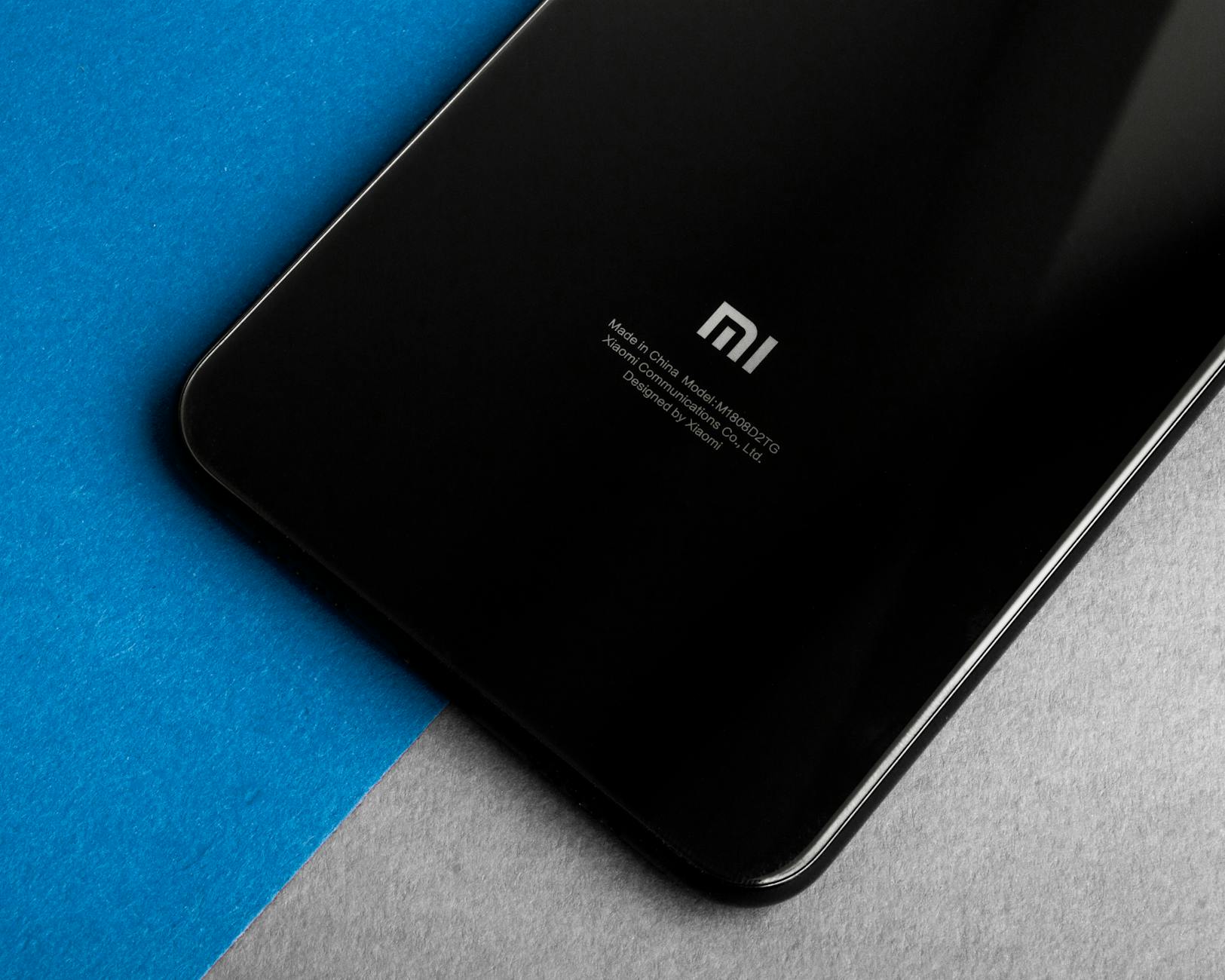
Xiaomi (小米) marks a “special day” as founder Lei Jun (雷军) celebrates 16th anniversary
Anniversary message
Lei Jun (雷军) called today a “special day” as Xiaomi (小米) celebrates its 16th anniversary, reflecting publicly on the smartphone maker’s rapid rise from a Beijing startup to a global consumer electronics giant. The short message, carried by Chinese media, thanked early users and employees and framed the milestone as a reset rather than a coronation: growth, he suggested, is still the objective.
From MIUI to a sprawling hardware ecosystem
Xiaomi began in 2010 as a software and community-focused company centered on MIUI. It quickly expanded into smartphones and an Internet of Things ecosystem built on thin hardware margins and recurring services revenue. Today the company sells phones, smart-home devices and wearables worldwide, and listed in Hong Kong in 2018 — a trajectory that helps explain why a modest anniversary message attracts broad attention. How does a company keep scaling without losing its starting ethos? That is the existential question Xiaomi faces.
Geopolitics and new directions
Xiaomi’s anniversary comes amid a tougher regulatory and geopolitical environment for Chinese tech firms. The company was briefly designated on a U.S. military-related blacklist in 2021; the designation was later removed. It has been reported that Xiaomi is also pushing into electric vehicles and deeper international markets as a hedge against slower domestic growth and trade friction. Those moves are part strategic diversification, part response to global supply-chain and policy pressures.
What the milestone signals
Sixteen years is young by industrial standards, but long in fast-moving consumer tech. Lei Jun’s tone was both celebratory and matter-of-fact, an implicit reminder: Xiaomi grew fast, survived headwinds, and is still aiming higher. For Western observers unfamiliar with China’s tech ecosystem, the anniversary is a useful moment to watch whether Xiaomi can translate past momentum into the next wave of hardware and services — and how geopolitics will shape that road.