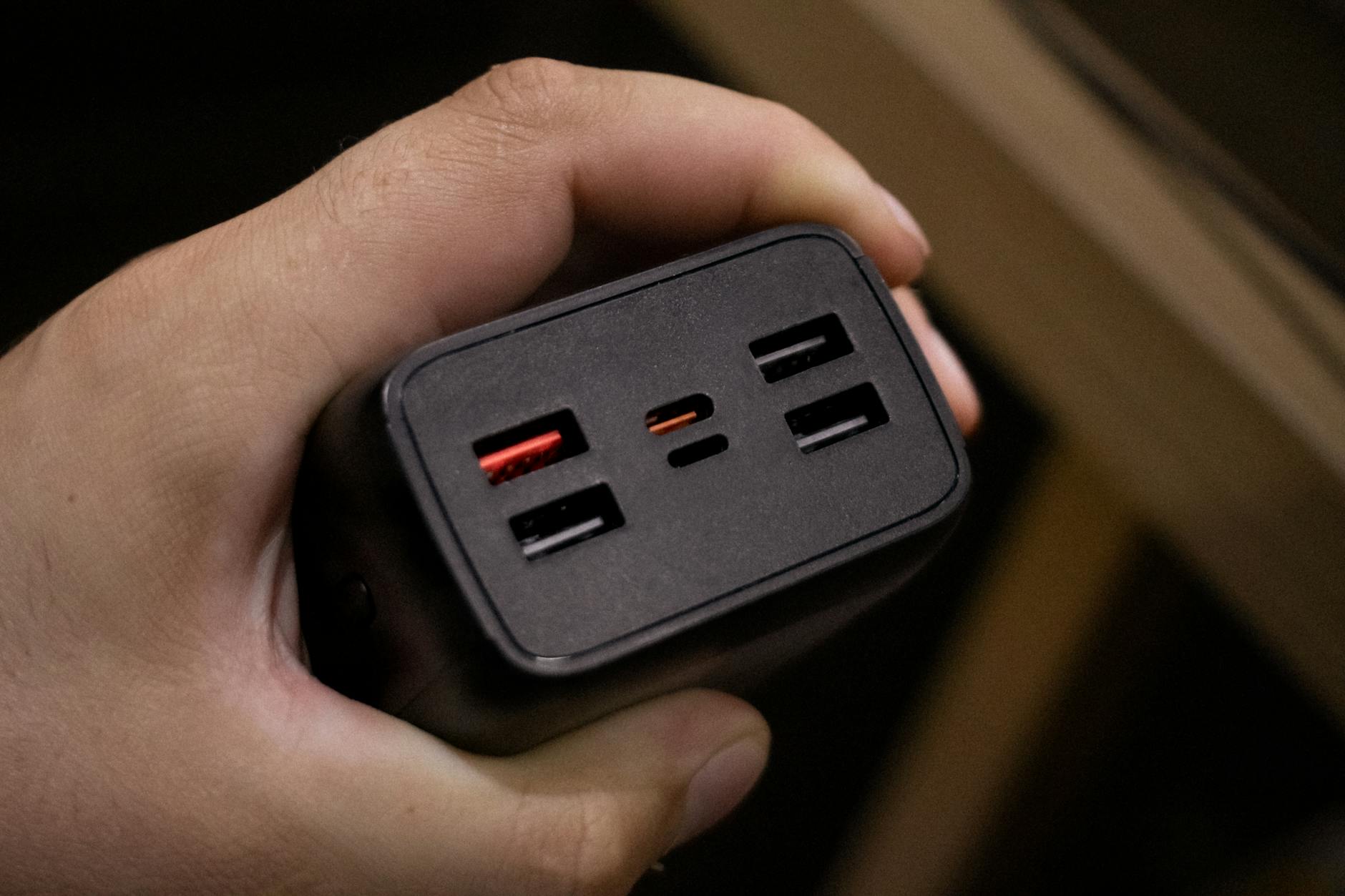
New national standard for power banks takes effect April next year: which can be carried on planes? Will they get more expensive?
Tightening safety and traceability
China will introduce a new national standard for portable power banks that takes effect in April next year, and it aims to tighten safety, labelling and testing requirements across the supply chain. It has been reported that the changes will mandate clearer capacity marking, stricter cell-safety tests and a national conformity mark for compliant products. The move follows a string of incidents worldwide that put lithium-ion battery safety under scrutiny, and Beijing says the standard is intended to reduce fire risk and improve consumer information.
What travellers need to know about air travel
So which power banks can you take on a plane? International and Chinese aviation practice already restricts lithium power banks to carry-on baggage rather than checked luggage, and it remains the case here: the Civil Aviation Administration of China (中国民用航空局, CAAC) and IATA guidance typically allow batteries up to 100 Wh without airline approval and 100–160 Wh with airline consent; batteries above 160 Wh are generally prohibited. It has been reported that the new national standard will require manufacturers to declare tested usable capacity and safety certification, making it easier for airlines and security staff to determine which units meet the carry-on rules. In short: certified, properly labelled power banks are more likely to be accepted on flights; unlabelled or uncertified units risk being refused.
Price and industry impact
Will power banks get more expensive? Likely, but not uniformly. Compliance adds costs: more rigorous testing, higher-grade cells, improved enclosures and formal certification all increase manufacturing expense. Low-cost, unbranded units — the kind often sold in informal channels — are the most at risk of being pushed out or repriced. Major established suppliers that already use higher‑quality cells and formal supply chains, such as Xiaomi (小米) and Huawei (华为), should see smaller unit‑cost increases, while smaller makers may face consolidation pressure. It has been reported that some retailers are already repositioning inventory and updating labels ahead of the deadline.
Broader context
For Western readers: China is both the world’s largest market for consumer power banks and a dominant producer of battery components, so its standards ripple through global supply chains. The change comes amid wider geopolitical tensions over technology and critical minerals; export controls and trade policy have already influenced battery sourcing and manufacturing strategies, and tougher domestic safety rules will accelerate that restructuring. Consumers will trade some short‑term price change for clearer safety guarantees and simpler airport compliance — but expect a shakeout among the cheapest suppliers.