DeepSeek V4 Backs Domestic Chips; Prioritizes Huawei (华为) — Industry Giants Reportedly Snapping Up Stock
Product push and immediate claims
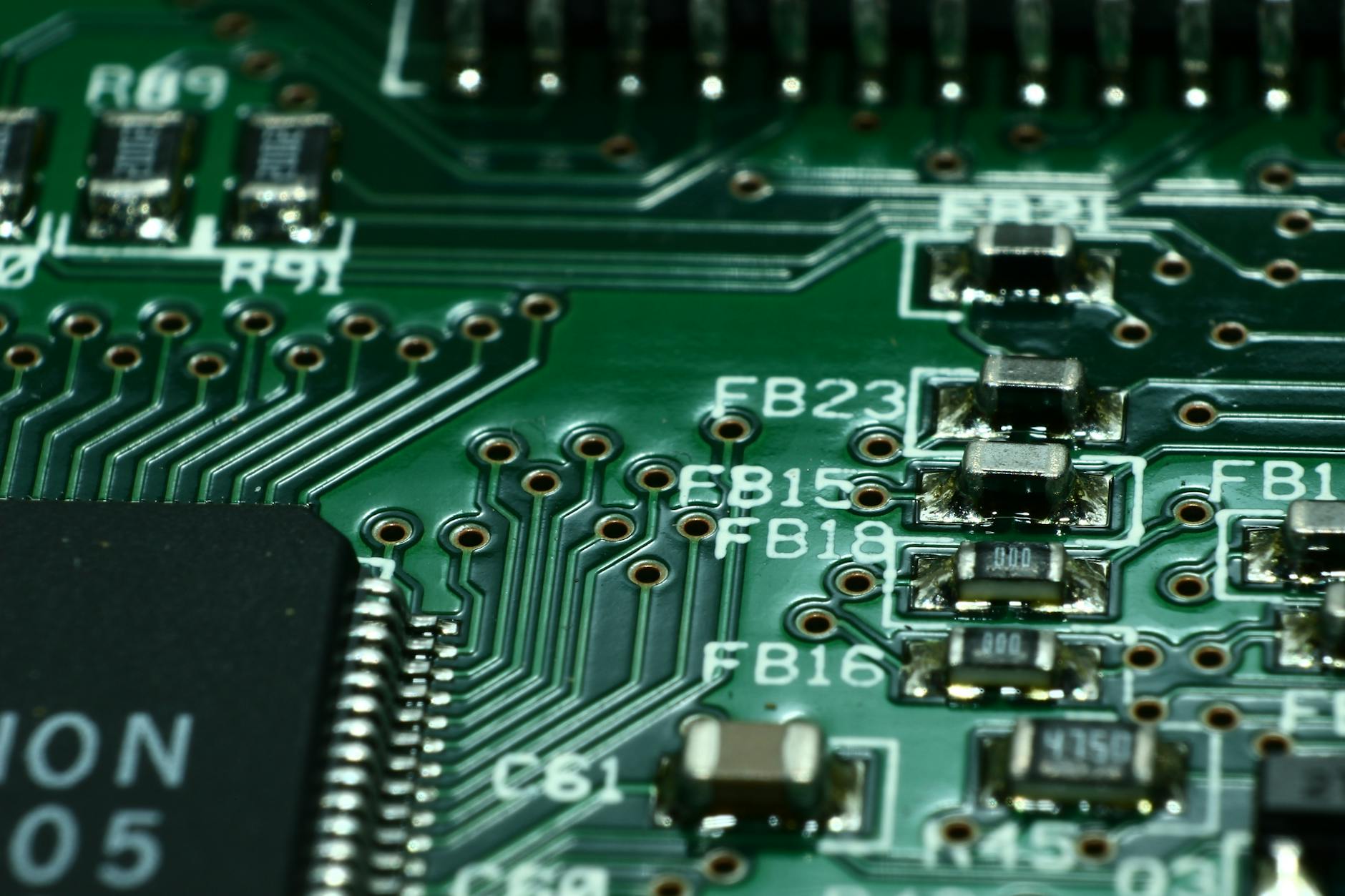
DeepSeek has released V4 of its inference stack, and it has been reported that the new build explicitly prioritizes support for Huawei (华为) and other domestic AI accelerators. Reportedly the update adds optimized drivers and runtime hooks intended to improve throughput and latency on China-made chips, positioning DeepSeek V4 as a bridge between generative AI models and locally produced hardware. The company has not publicly published independent benchmarks, so performance claims remain to be verified.
Market and geopolitical context
Why does this matter? Over the past three years U.S. export controls and broader tech frictions have accelerated China’s push for chip self-reliance. For Western readers: many Chinese cloud and AI players are now building stacks that favor homegrown accelerators to avoid supply-chain risk and sanctions exposure. It has been reported that several large enterprise customers and infrastructure providers have begun purchasing capacity and licences for DeepSeek V4, a move that industry observers interpret as a bet on domestic-software-to-domestic-hardware interoperability.
Industry reaction and risks
Reportedly, a number of “industry giants” have already started snapping up stock or capacity tied to V4 deployments, signaling commercial interest. But deployment at scale faces familiar hurdles: software maturity, driver stability, and the long tail of model compatibility. It has been reported that some buyers are piloting V4 in controlled environments rather than committing to full migration.
Outlook
If DeepSeek V4 delivers real-world gains on Huawei and other Chinese accelerators, it could accelerate migration away from Western GPUs within certain segments of China’s AI market. Will this deepen technological decoupling — or simply create parallel ecosystems optimized for different hardware? For now, the claims are powerful but partly unverified; independent benchmarks and broader customer rollouts will determine whether V4 is a turning point or an incremental step.