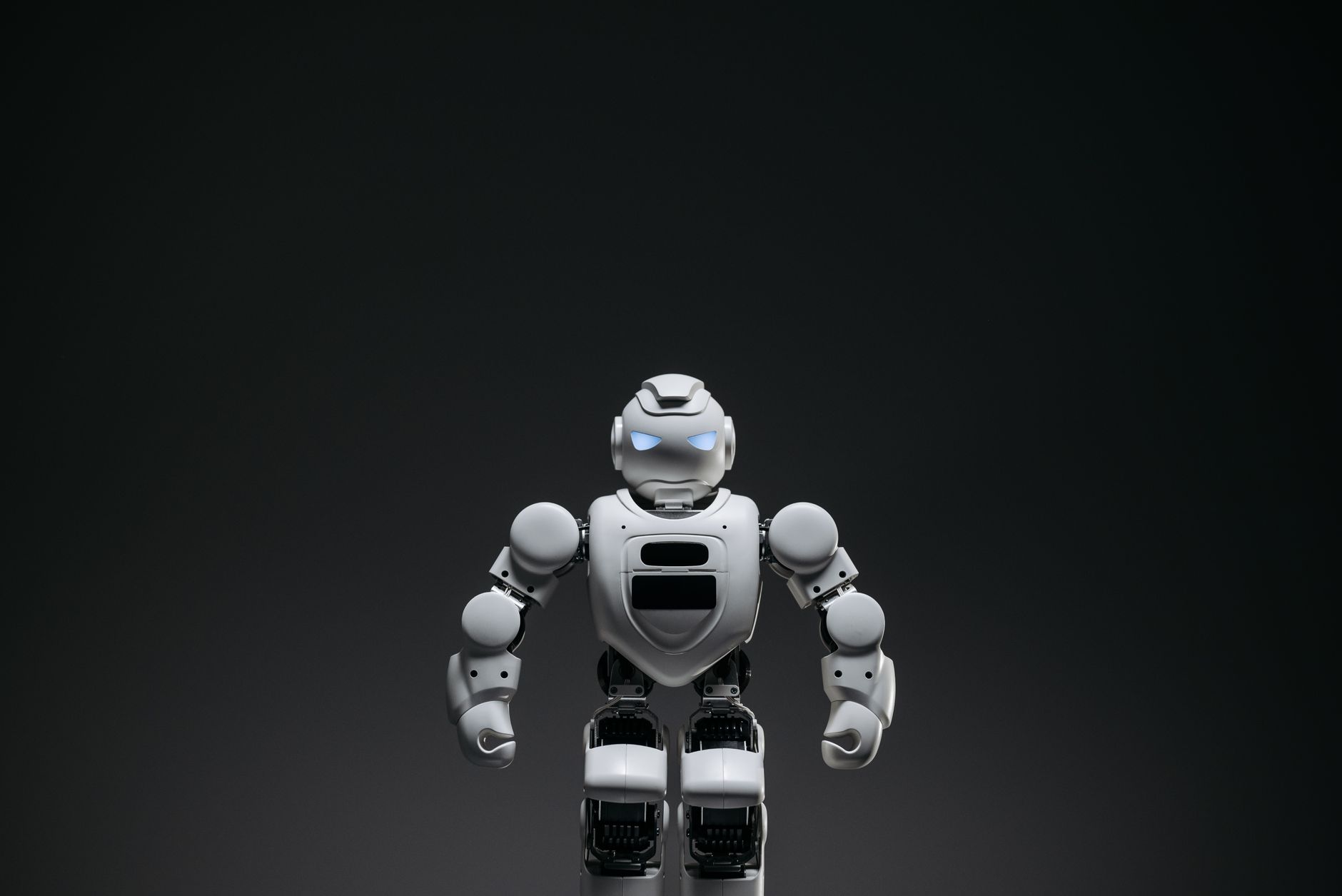
UBTECH (优必选) pivots to humanoid robots as revenue engine — growth strong, profit not yet
Revenue surge, but losses remain
UBTECH (优必选) reported a striking reshaping of its business in 2025: annual revenue reached ¥2.001 billion, up 53.3% year‑on‑year, with full‑size embodied humanoid robots and solutions contributing ¥820 million — a 2,203.7% leap and 41.1% of total sales. Short and blunt: humanoid robots have stopped being laboratory curiosities and are now the largest revenue source. Yet the company still logged a net loss of ¥789 million, narrowed from ¥1.159 billion a year earlier.
Scale and stack: hardware plus AI
Sales tell the same story. UBTECH sold 1,079 full‑size humanoids in 2025, a meteoric rise (reportedly up 35,866.7%), and annualized capacity now exceeds 6,000 units. The company has pushed a Walker S family (Walker S, Walker S1, Walker S2) into industrial workstations — material handling, sorting and inspection — and built a software‑AI stack that includes a large base model “Thinker,” a Thinker‑WM world model, a BrainNet for multi‑robot coordination and Co‑Agent collaborative agents. As one industry commentator put it, the company is not merely selling robots; it is trying to lock in a “data → model → application” loop. Is that a sustainable commercial strategy? The answer is still open.
Margins up, investment stays high
Financially there are mixed signals. Gross profit doubled to ¥754 million and gross margin rose nine percentage points to 37.7%, a direct benefit of the higher‑margin humanoid segment. But R&D remained the largest single outlay at ¥508 million (25.4% of revenue), and the company reserved ¥151 million for credit impairment tied to delayed government payments. Sales and admin expenses fell as a share of revenue, yet the combined effect left UBTECH unprofitable for the year despite clearer product‑market fit.
From pilot to commercialization — but how far?
UBTECH frames 2025 as the move “from pilot to commercialization,” expanding into automotive, smart manufacturing, logistics and embodied‑intelligence data centers, while planning new models for commercial and education markets. Western readers should note the wider backdrop: China is accelerating national investment in AI and robotics even as global supply‑chain and export tensions reshape hardware markets. The core question remains: can UBTECH translate early scale and a vertically integrated hardware+AI stack into stable, repeatable profits — or is this still a validation phase requiring more time and capital?