Omron to sell electronic components business as external competition intensifies
Deal and rationale
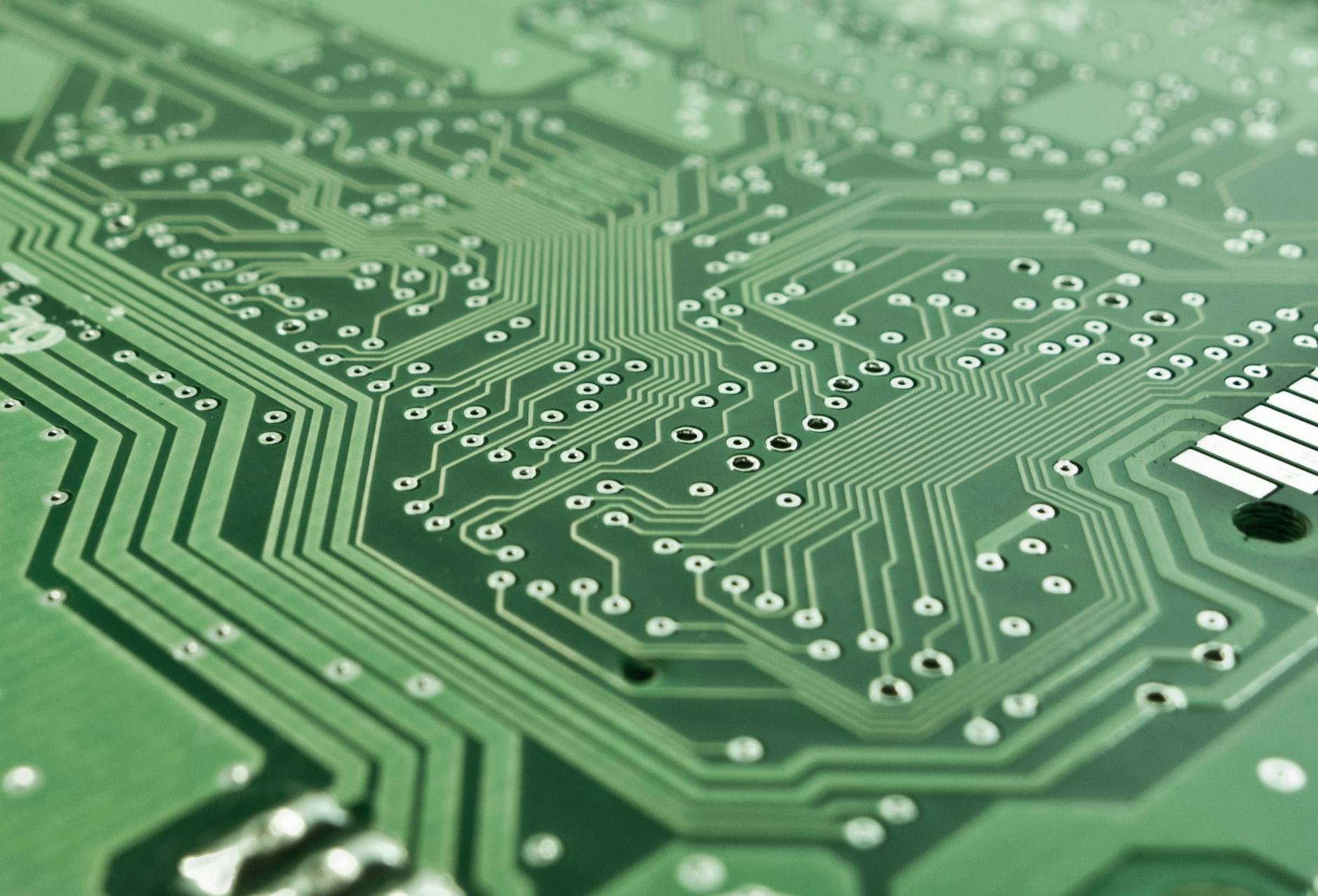
It has been reported that Omron (オムロン) is preparing to divest its electronic components unit as mounting external competition squeezes margins and strategic focus shifts. The move, reportedly under a formal review, would see the company step away from lower-margin parts such as relays and sensors to concentrate resources on higher-growth areas like industrial automation, healthcare devices and services. Short-term pain for long-term focus, some analysts say.
Omron's components arm faces fierce price pressure from lower-cost Asian suppliers and a steady commoditization of basic electronic parts. Competition is not only about price. Faster product cycles, scale manufacturing and integrated supply-chain partnerships have changed the economics of component-making. Who can compete when scale and platform integration matter more than product pedigree?
Context and implications
For Western readers unfamiliar with Japan’s industrial landscape: Omron is a longtime maker of factory controls, sensors and medical equipment that has increasingly emphasized software, robotics and healthcare to escape cyclical hardware markets. The potential sale mirrors a wider trend among Japanese conglomerates slimming down commodity businesses to reinvest in high-margin, technology-rich units.
There are geopolitical layers too. Global trade tensions, export controls and growing scrutiny of cross-border tech deals make any sale of manufacturing assets politically sensitive. Could potential buyers include regional manufacturers or private-equity firms? It has been reported that both types of bidders are being monitored by market participants. Regulators in Tokyo—and in jurisdictions where assets or customers sit—may look closely at technology transfer risks. Customers and suppliers will be watching for continuity-of-supply clauses and transition plans. In short: the outcome will matter not only to Omron’s balance sheet, but to industrial supply chains that still rely on reliable, high-quality components.