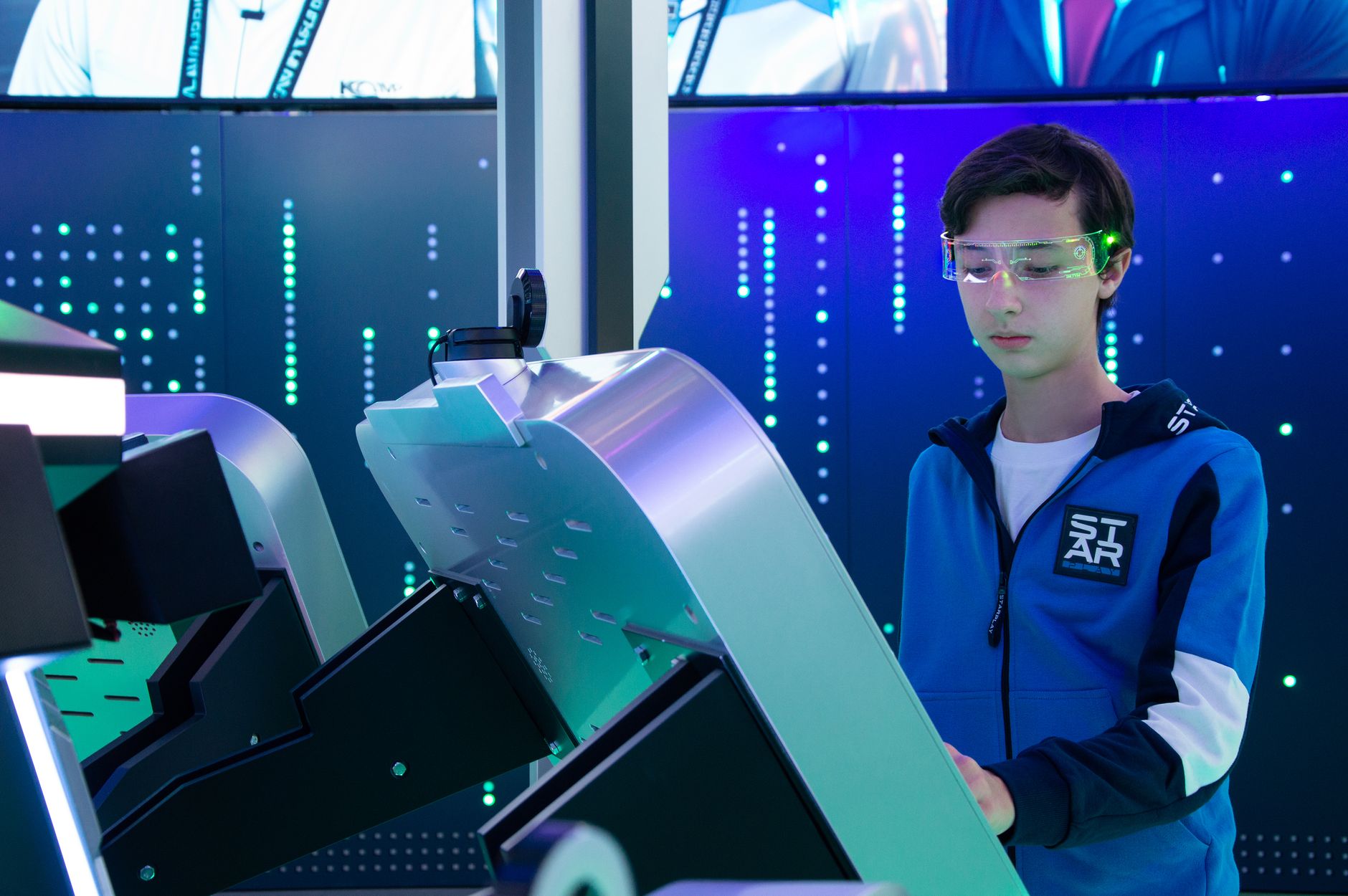
Return Rates Reportedly Reach 30%! Why Did AI Glasses Suddenly Fizzle Out?
The abrupt tumble
It has been reported that return rates for recent AI-powered smart glasses in China have climbed as high as 30%. Once hyped as the next major consumer frontier after smartphones, these devices went from center-stage demos to crowded return counters in months. Why the sudden collapse? The short answer: hardware and expectations collided — and consumers won’t pay for gimmicks.
Multiple practical failures
Buyers complained of short battery life, heavy frames, blurry optics and intermittent voice/AR features. Many models shipped with underpowered processors and limited on-device AI, forcing frequent cloud dependence that drained battery and increased latency. App ecosystems are sparse too: without compelling, localized apps and content, the glasses offered little beyond novelty. Price was another factor — with devices often costing several hundred to more than a thousand dollars, many early adopters judged the value proposition poor and asked for refunds.
Marketing, privacy and the talent squeeze
Marketing overpromised. Vendors leaned on “AI” buzzwords but failed to deliver seamless, everyday use. Privacy concerns also surfaced: continuous audio/video capture and opaque data flows made some users uneasy, especially amid heightened regulatory attention in China. Talent and component shortages amplified the problems. For readers in the West, note this arrived amid a broader rush by Chinese startups and consumer-electronics makers to pivot into generative-AI hardware after the chatbot boom.
Geopolitics and what comes next
Geopolitics matters here too. Analysts say export controls on advanced chips and other trade frictions have constrained performance and raised costs for high-end AR hardware — it has been reported that access to cutting-edge components is uneven. The likely outcome: consolidation. Expect a shakeout where only firms that nail hardware quality, battery life, clear use cases and a local app ecosystem survive. Novelty has a short shelf-life; sustained utility is the real test.