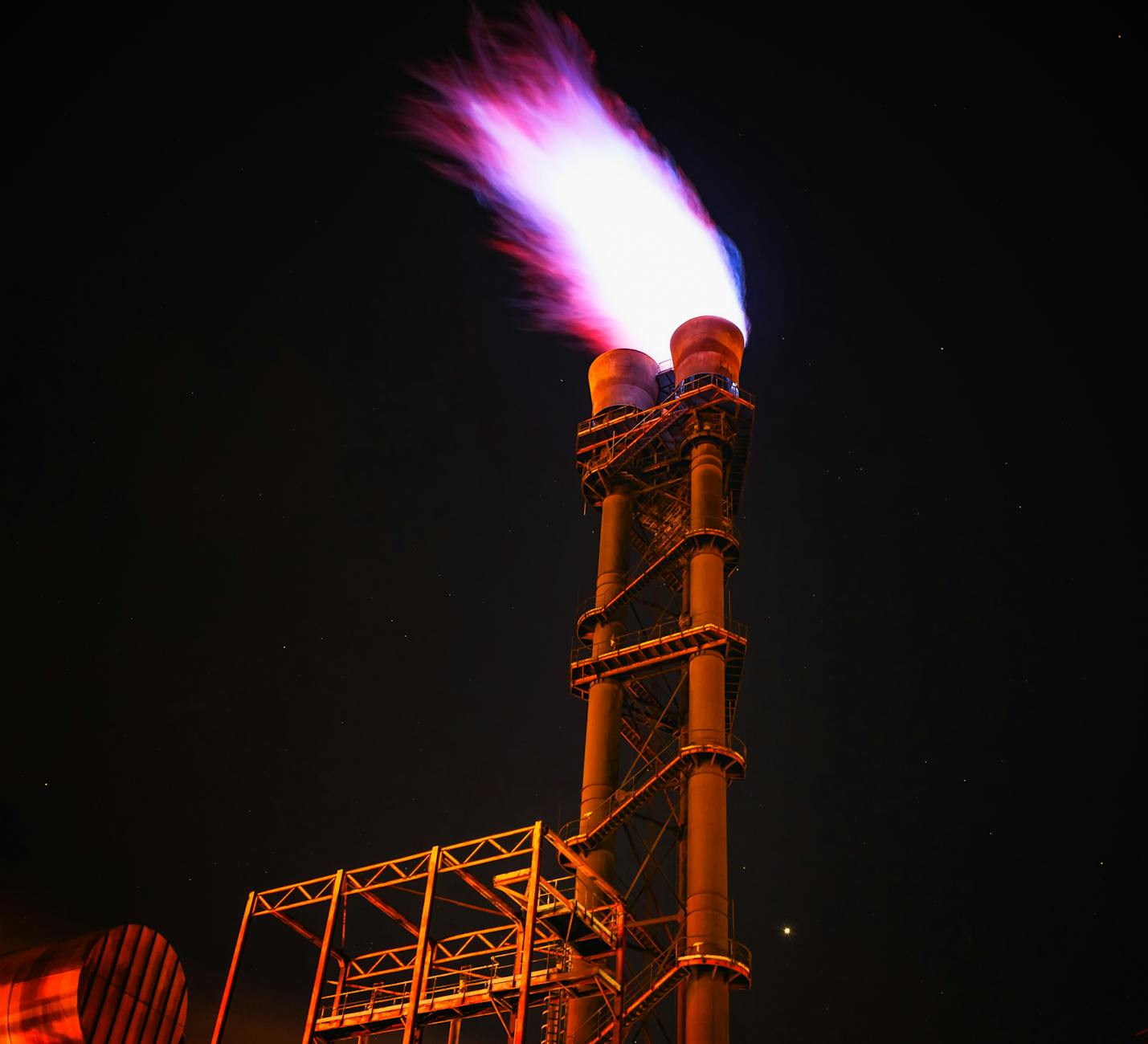
Meta reportedly to fund seven gas-fired power plants to keep data centre off residential grid
Meta has pledged to underwrite the construction of seven gas-fired power plants to ensure its data‑centre operations do not draw electricity from local residential supplies, it has been reported by Phoenix New Media (ifeng). The move, reportedly aimed at isolating the heavy, always‑on loads of cloud infrastructure from neighbourhood grids, raises immediate questions: is this pragmatic grid management — or an expensive workaround that shifts environmental costs onto host communities?
What was reported
According to the ifeng report, Meta will finance the plants so its data centres can be supplied by dedicated generation rather than municipal residential networks. Reportedly, the arrangements are intended to reassure local authorities and residents worried about power shortages tied to new hyperscale computing facilities. The report does not fully detail the plants’ locations, capacities or the contractual terms, so some specifics remain unverified.
Broader energy and geopolitical context
China is rapidly expanding both digital infrastructure and electrification. That growth has strained distribution networks in some regions and prompted tighter oversight of large industrial loads. Natural‑gas plants are cleaner than coal but still fossil‑fuel dependent — a trade‑off between immediate reliability and long‑term decarbonisation goals. Foreign tech companies operating in sensitive markets also navigate political and regulatory scrutiny; large infrastructure deals can draw added attention amid US‑China tech tensions and export controls. Environmental groups will likely ask whether dedicated gas generation is a stopgap that undermines China’s carbon‑neutrality targets.
The pledge, if confirmed, could set a precedent for how hyperscalers manage local grid impacts: build dedicated capacity or risk political friction. It has been reported that Meta’s decision is designed to smooth relations with host communities, but it leaves open bigger questions about who should pay for energy resilience — and how that spending fits into a greener energy transition.