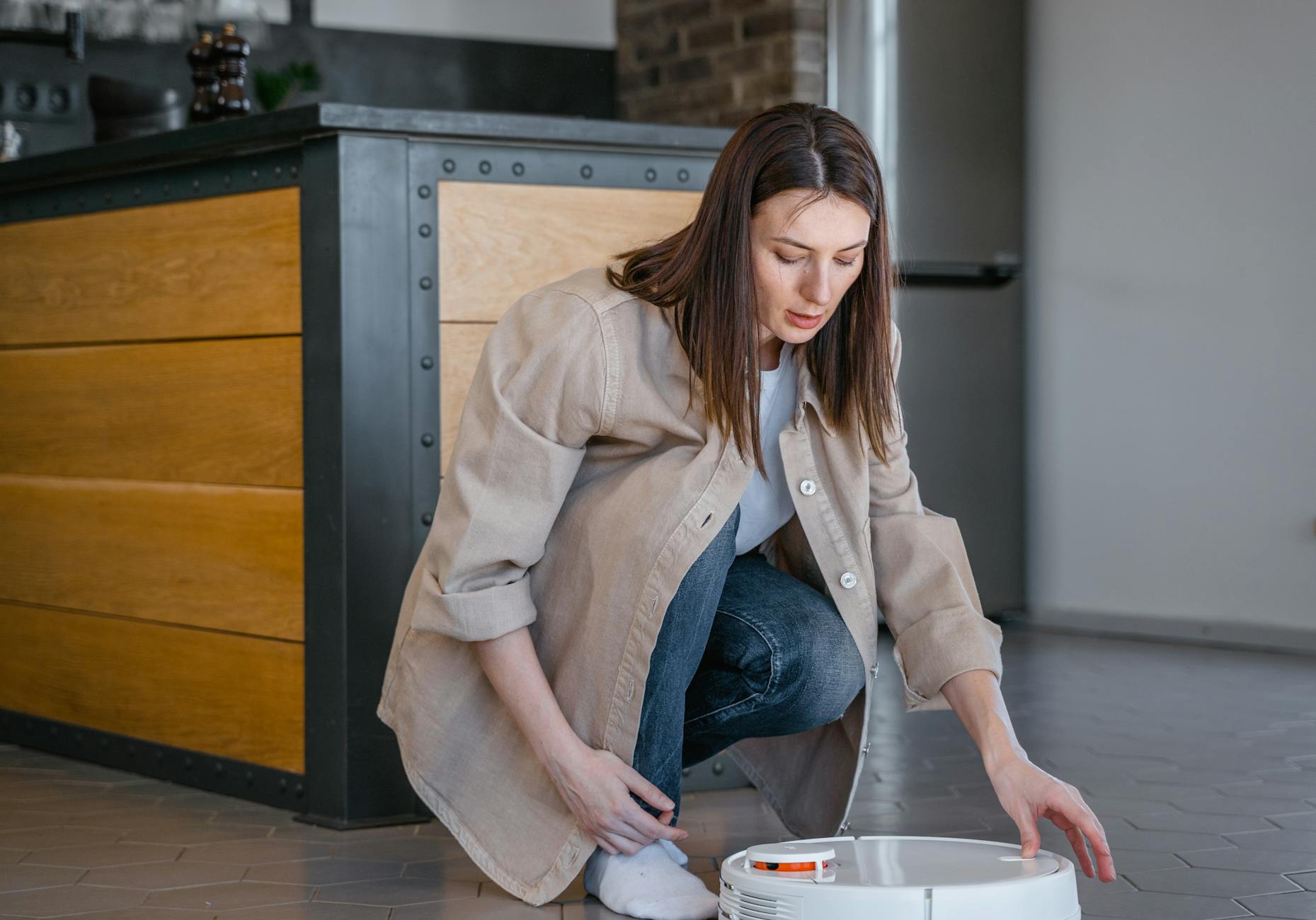
How much work can fully autonomous humanoid robots do after taking over household chores?
A recent report by ifeng (凤凰网) examines what happens when fully autonomous humanoid robots graduate from vacuuming and dishwashing to more complex tasks. The key angle: household chores are a low bar — robots can already execute repetitive, pre-programmed routines in controlled environments, but moving into genuinely useful, unscripted work remains a hard leap. So how far can they really go?
Capabilities
Humanoid platforms excel at predictable, routine jobs. They can navigate mapped homes, operate appliances with fixed interfaces, and perform repetitive lifting and cleaning with repeatable precision. Advanced perception stacks and cloud-connected models let them adapt to small variations. Reportedly, makers are integrating large language models and improved manipulation algorithms so robots can follow multi-step instructions and coordinate with smart home ecosystems. In short: they can take a lot off human plates, especially for monotonous, physically repetitive tasks.
Limits and geopolitical context
Limitations are still deep. Fine manipulation of novel objects, robust long-term autonomy, battery life, and safe human interaction in crowded, cluttered homes remain unsolved at scale. It has been reported that access to cutting-edge chips and sensors — constrained by Western export controls and broader US–China tech tensions — affects the pace at which Chinese firms can close those gaps. Regulatory, liability and privacy questions also linger: who is responsible when a robot breaks an heirloom or misidentifies a medication?
Outlook
Expect humanoids to supplement human labor rather than replace it wholesale in the near term. Niches such as eldercare support, hospitality, and repeatable light-industrial tasks are the most plausible early winners. Costs and reliability will dictate how quickly consumers upgrade from novelty to necessity. When will a humanoid move from doing the laundry to reliably helping a vulnerable elder take medication? That remains the practical and political test ahead.