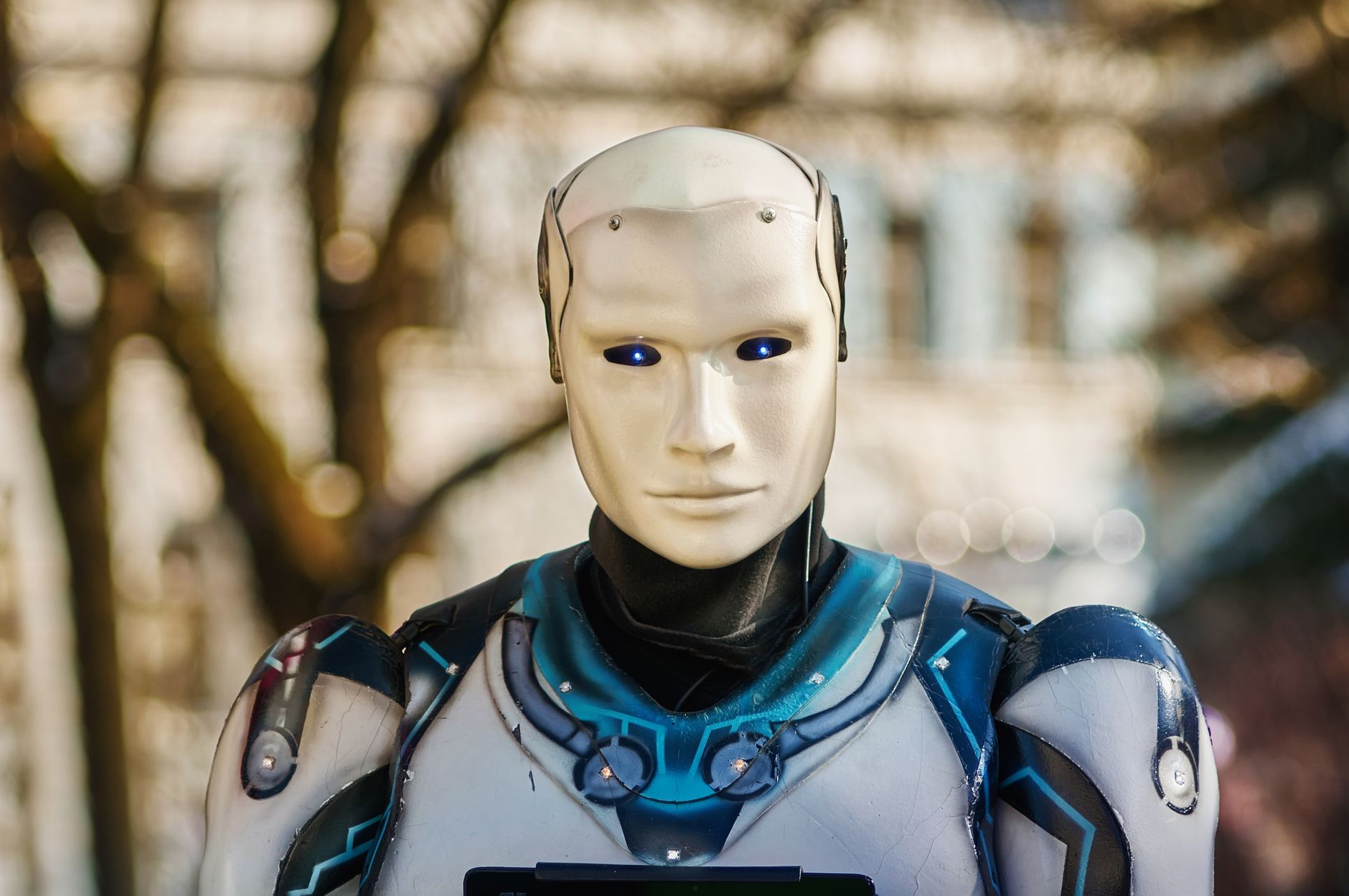
Beijing’s Yizhuang Half Marathon to Feature 12,000 Human Runners — and Humanoid Robots
Human and machine on the same starting line
Beijing’s Yizhuang half marathon (北京亦庄半程马拉松) will, for the first time, stage a “human‑machine co‑run” on April 19, 2026, it has been reported. The organisers say 12,000 human runners will share the course with intelligent humanoid robots — a public showcase that blends sport, industrial design and robotics research. The event’s finisher medal has been unveiled: a metal, mech‑style design whose fold‑out section forms a three‑dimensional robot torso, underscoring the race’s tech‑forward theme.
Race rules designed to push autonomy
The competition will field both autonomous‑navigation teams and remotely‑controlled teams, with mixed timing rules intended to reward autonomy. Autonomous teams will have net time plus penalties recorded as their finish result; remote teams will have net time multiplied by a 1.2 factor plus penalties, and organisers have strictly limited physical support from human operators to encourage on‑track independence. Why the strict rules? To push breakthroughs in environment sensing, real‑time decision making and endurance locomotion — areas where lab demos rarely face the chaotic variables of a crowded road race.
Ambitious targets and broader context
Tang Jian (唐剑) of the Beijing Humanoid Robot Innovation Center (北京人形机器人创新中心) told reporters this year’s competing teams are aiming to challenge human half‑marathon records — reportedly even targeting the sub‑one‑hour barrier for a humanoid. Whether that goal is realistic remains to be seen, but the event is a practical, public stress test of robotics systems rather than an isolated demo.
What this means beyond sport
This isn’t just a PR stunt. China has been accelerating investment in robotics and AI at scale, partly in response to Western export controls on advanced semiconductors and components; public events like Yizhuang translate lab progress into demonstrable capabilities and public acceptance. Can robots learn to navigate dense, dynamic urban environments at race pace? If they do, the implications span logistics, search‑and‑rescue and assisted mobility — and the next 12 months may tell us whether endurance locomotion becomes the next frontier for large models and embodied AI.