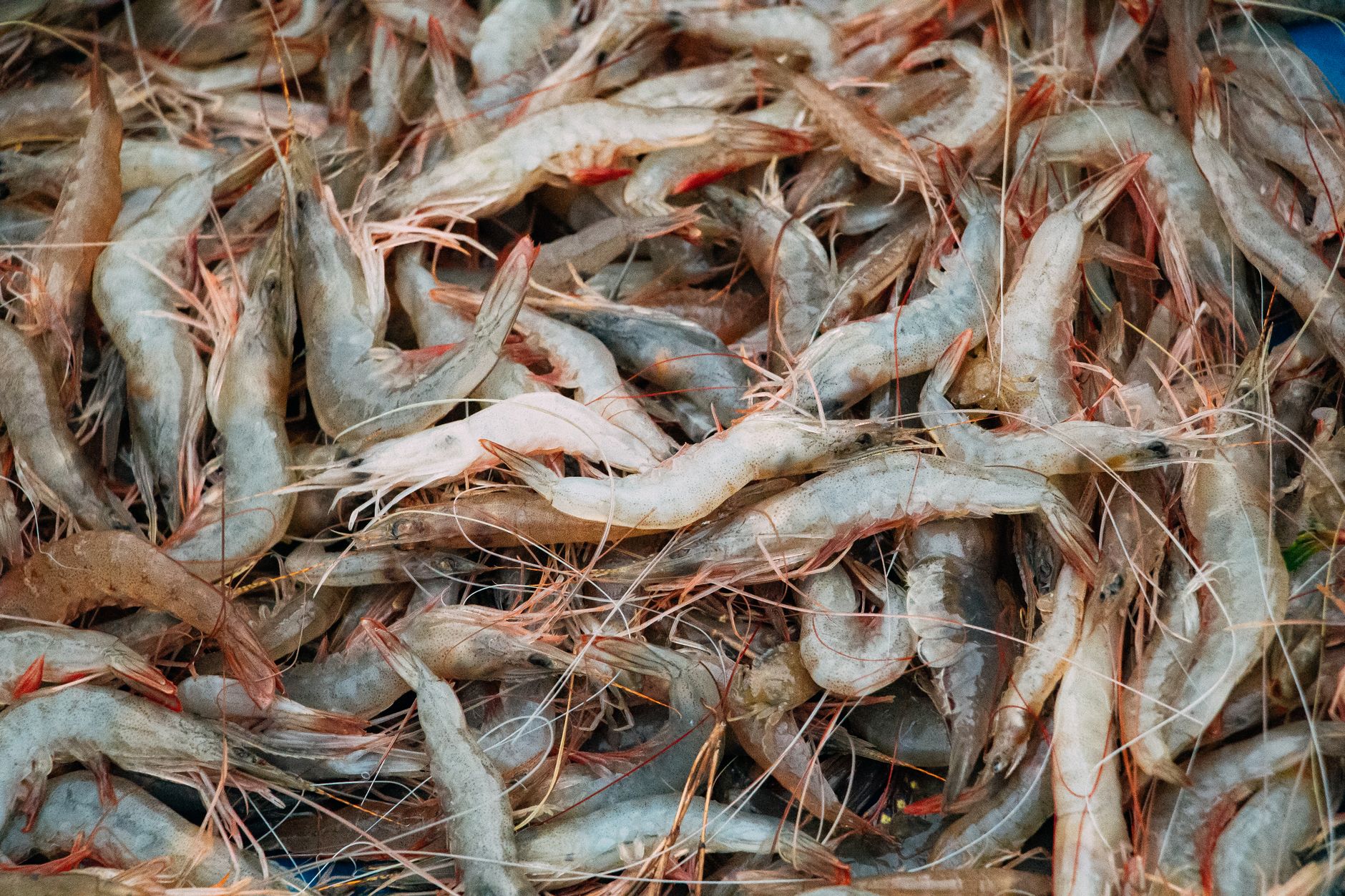
Tencent (腾讯) publishes panoramic view of its Agent shrimp‑farming system, claiming an end‑to‑end stack from infrastructure to scenarios
Panorama reveals an end‑to‑end play
Tencent (腾讯) has published what it says is the first panoramic view of an "Agent" shrimp‑farming product, presenting a complete pipeline from cloud and edge infrastructure to on‑farm application scenarios. It has been reported that the demonstration maps sensors, cameras, edge compute, AI agents and management dashboards into a single, integrated system aimed at automating water‑quality monitoring, feed optimisation and early disease detection. The company frames the work as more than a product demo — a packaged commercial offering for aquaculture operators.
Why Western readers should care
China’s big tech firms increasingly push beyond consumer apps into industrial and agricultural automation; Tencent’s move follows similar efforts by Alibaba and Baidu to commercialise AI and cloud services in real‑world sectors. Reportedly, the system runs on Tencent’s cloud and edge stack and uses agent‑style AI to orchestrate multi‑modal inputs and control actions on farms — think camera‑based anomaly detection triggering automated feeders or alerting technicians. For Western readers unfamiliar with the landscape: these full‑stack plays are designed to lock in customers across hardware, software and data services, lowering marginal cost for scale but increasing vendor dependency.
Geopolitics and practical questions
This announcement comes amid Beijing’s push for technological self‑reliance and global tensions over semiconductors and AI tooling. With US export controls on advanced chips and rising scrutiny of cross‑border data flows, Chinese platforms are accelerating domestically integrated solutions for strategic sectors such as food supply. But questions remain: how interoperable will Tencent’s Agent stack be with third‑party sensors? What about data governance and farm‑level privacy? It has been reported that pilots are underway, but concrete performance and commercial terms have not been independently verified.
What’s next
If the system delivers on promised yield improvements and labour savings, Tencent could gain a foothold in a lucrative segment of China’s large aquaculture industry. Yet success will hinge on real‑world robustness, regulatory clearances and willingness of farmers to adopt an integrated vendor stack. Will this model spread to other types of smart agriculture? Reportedly, Tencent and peers are already exploring similar agent‑driven deployments across fisheries, poultry and greenhouse operations. The coming year will tell whether these demos turn into widespread fielded systems.