Pinduoduo (拼多多) doubles down on China supply chains with a 100‑billion‑yuan “New Pinduoduo” push
Profit down, investment up
Pinduoduo (拼多多) reported 2025 revenue of 4318亿元, up 10% year‑on‑year, but non‑GAAP net profit fell 12% both for the fourth quarter (262.954亿元) and the full year (1073.014亿元). Management did not hide the reason: the company is deliberately sacrificing near‑term margins to fund an aggressive industrial strategy. “We prefer to focus on the long‑term value created by feeding back into the ecosystem,” Zhao Jiazhen (赵佳臻), the group’s co‑chair and co‑CEO, told investors — and warned that profit volatility will likely be the norm.
“New Pinduoduo”: strategy and scale
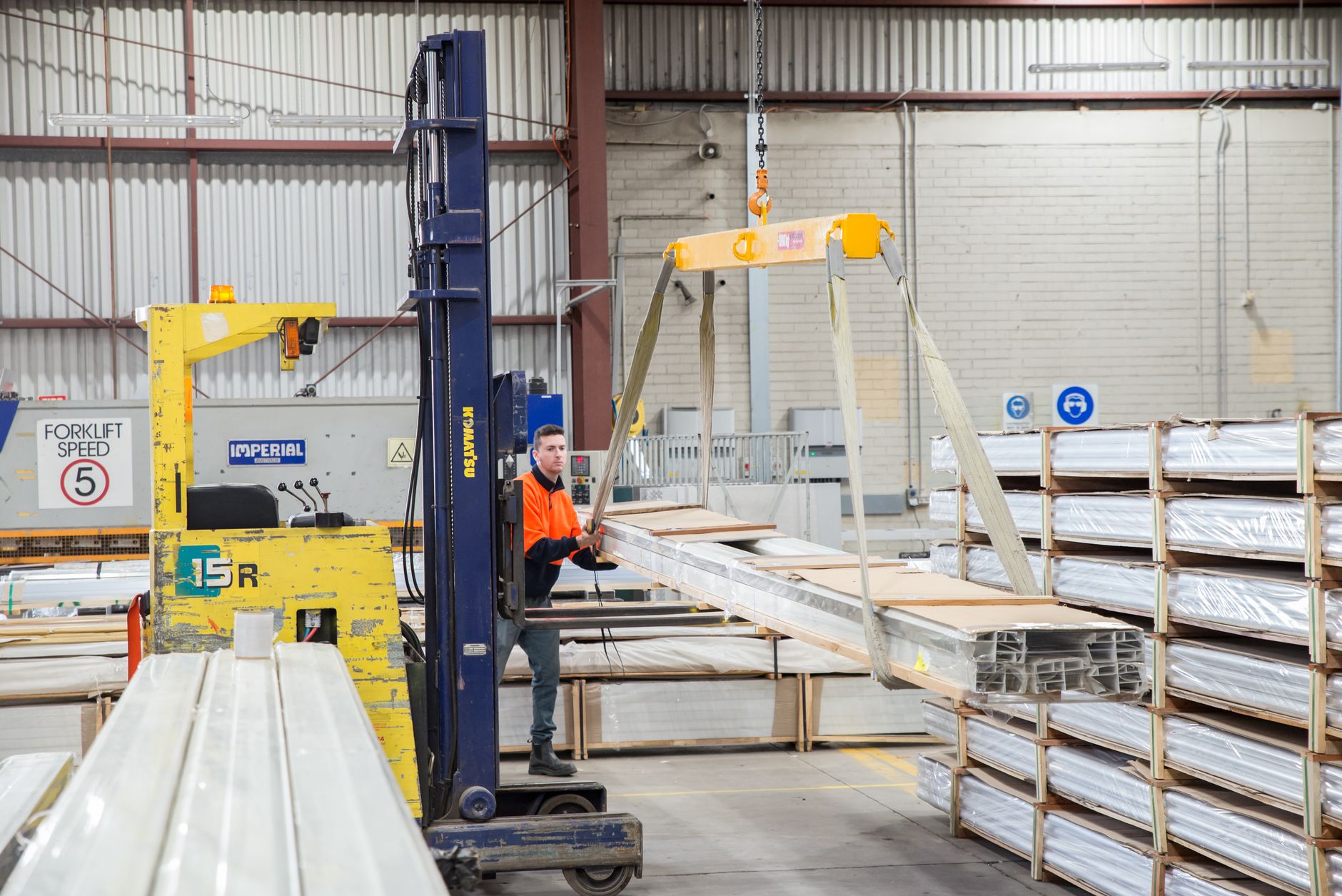
Pinduoduo has launched what it calls a “New Pinduoduo” play built around a three‑year, 1000亿元 (about 100 billion yuan) support program to upgrade domestic supply chains, cultivate self‑owned brands, and provide end‑to‑end product, tech and marketing services to industrial clusters. It has been reported that the new special‑purpose company is already seeded in Shanghai with an initial cash injection of 150亿元. The plan includes county‑level transit hubs and village collection points to push “last‑mile” delivery deeper into rural China — and to shift the group from connector to co‑creator with manufacturers.
Why this matters — geopolitics and risk
Why now? Management pointed to Temu’s rapid overseas expansion as a proof point. It has been reported that Temu rooted in China’s supply chain and reached more than 90 countries in three years, a pace Zhao described as compressing a decade of domestic growth into a handful of years. The move also fits a broader pattern: amid U.S. export controls and heightened scrutiny of cross‑border tech, Chinese platforms are insulating growth by upgrading local manufacturing and brand capabilities. But it is a high‑stakes bet. Investors face near‑term earnings swings, intensifying e‑commerce competition, and continuing policy risk — so is this aggressive reinvestment a necessary pivot or a gamble on Chinese manufacturing’s next wave? The answer will shape China’s e‑commerce landscape for years to come.