Apple avoids U.S. import ban as preliminary ruling clears new blood‑oxygen monitoring approach
Preliminary win at the ITC
Apple Inc. reportedly escaped a U.S. import ban on certain Apple Watch models after an administrative law judge at the U.S. International Trade Commission (ITC) issued a preliminary ruling that favors Apple’s redesigned blood‑oxygen monitoring solution. The decision, which is preliminary and subject to review, means immediate exclusion orders against the smartwatch were not put into effect while the case proceeds. It has been reported that the judge found the new design does not violate the patents at issue.
What changed — and why it matters
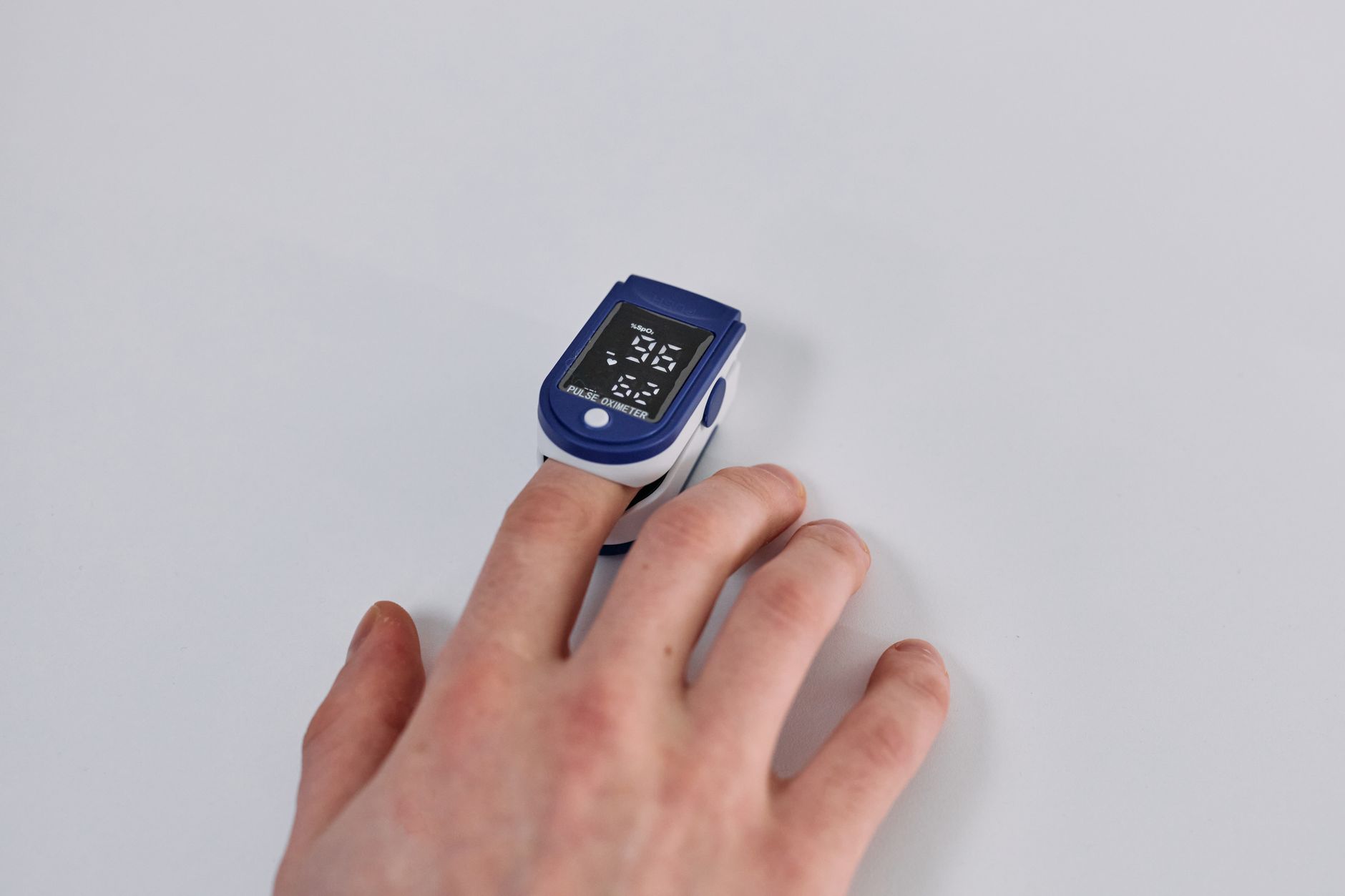
The core of the dispute centers on the sensor and algorithm techniques used to estimate blood‑oxygen saturation on wrist‑worn devices. Apple deployed a modified hardware/software approach following earlier complaints, and the ITC’s preliminary view appears to accept that adjustment as sufficiently distinct. For Apple, the practical effect is clear: no sudden interruption to U.S. imports of the Watch family while the legal fight continues. For consumers and investors, that reduces the near‑term risk of product shortages and sudden price shocks.
Supply‑chain and market ripple effects
Apple’s manufacturing base spans China and other Asian markets; major component and assembly partners such as Luxshare (立讯精密) and Goertek (歌尔) — though not named in the ruling — stand to benefit from continuity in production and shipments. Could this outcome simply delay a final showdown? Yes. The ITC process typically culminates in a final determination that can include agency‑level review and potential appeals, so uncertainty remains for suppliers, partners and rivals watching how IP law shapes wearable health features.
Geopolitics and legal precedent
The case sits at the intersection of tech competition and trade‑policy risk. U.S. exclusion orders are a powerful enforcement tool that can resemble de facto sanctions against products; their use has drawn scrutiny amid broader tensions over technology and supply‑chain security. A preliminary ruling favoring Apple reduces an immediate flashpoint, but it also raises questions about how companies will redesign around patents and whether regulators will increasingly be asked to police health‑tech features in consumer electronics.