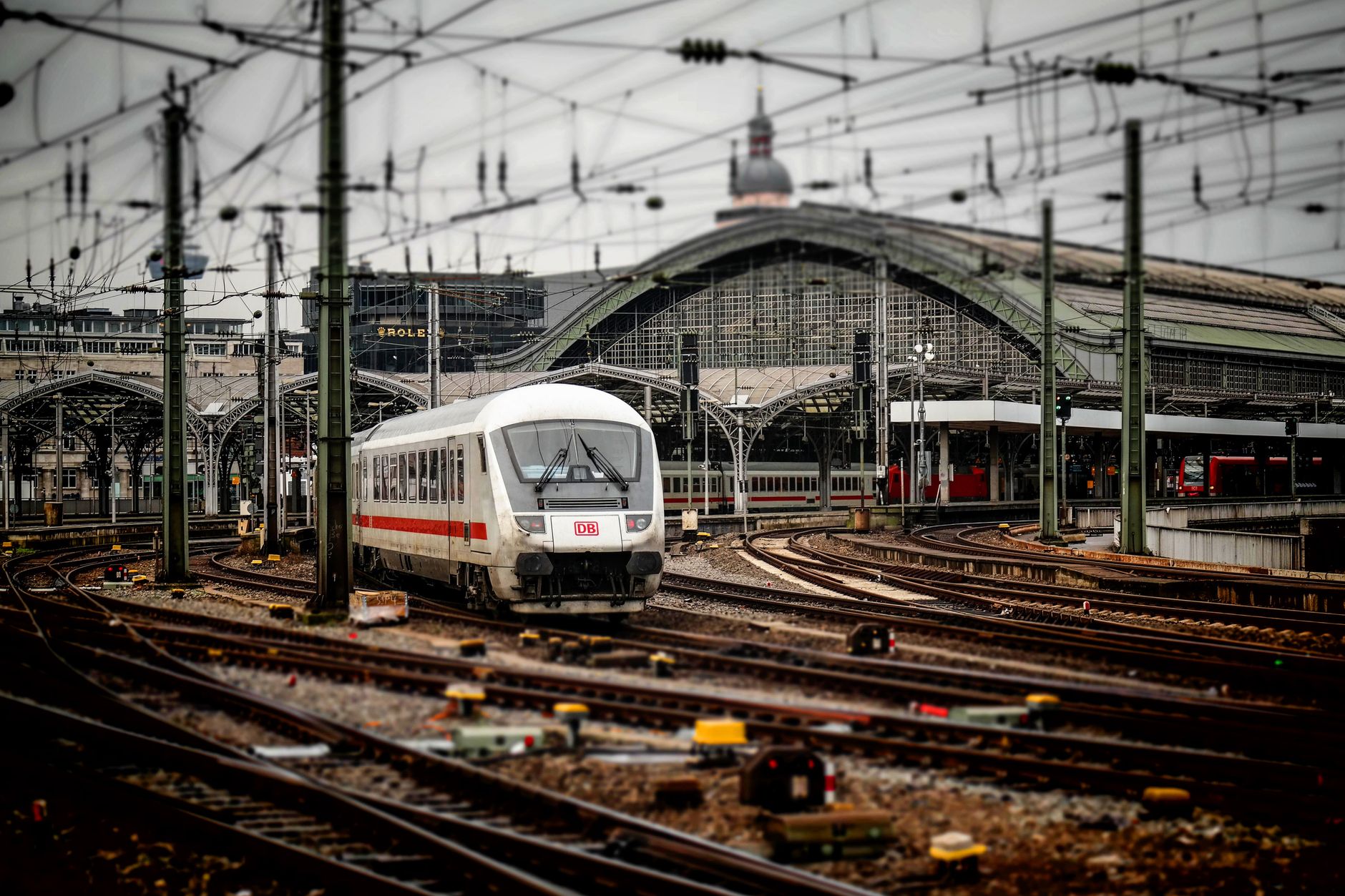
So jealous I could cry! Elon Musk spent a fortune to buy a railway — just to make commuting easier for employees?
Musk's latest transport gambit, reportedly
It has been reported that Elon Musk has spent a large sum to acquire a railway—allegedly to ease employee commutes to his factories and offices. The claim, first carried in Chinese media outlet ifeng, has not been independently corroborated by U.S. filings or spokespeople for Musk's companies. Reportedly, the purchase is intended as a bespoke transit solution rather than a traditional investment in freight or passenger rail operations.
Musk is no stranger to unconventional transport projects. Tesla (特斯拉) has experimented with employee shuttles, while The Boring Company has pitched tunnel-based transit and parking solutions. Why buy a railway when you can tunnel under traffic or run electric buses? For a billionaire CEO who frames time savings as productivity gains, owning a dedicated rail link could look like a logical, if extravagant, next step.
Corporate perks, regulation and geopolitical context
This story highlights broader questions about private infrastructure in the United States: when does corporate convenience become a public-service issue? Regulatory oversight, safety mandates and local land-use rules could all become relevant if a private owner operates a formerly public or common-carrier line. In China, tech giants such as Alibaba (阿里巴巴) and Huawei (华为) have long provided shuttle services and staff housing to manage commutes—different institutional contexts, same problem: getting workers to work on time.
If true, the purchase would be another example of how deep-pocketed executives privatize solutions to public infrastructure shortfalls. It also feeds a narrative—especially salient amid U.S.-China tech rivalry—that leading tech figures are willing to spend vast private capital to secure supply chains, labor stability and operational speed. Many questions remain unanswered: the price paid, the legal status of the rail, and whether the move is primarily PR, a logistics necessity, or both.