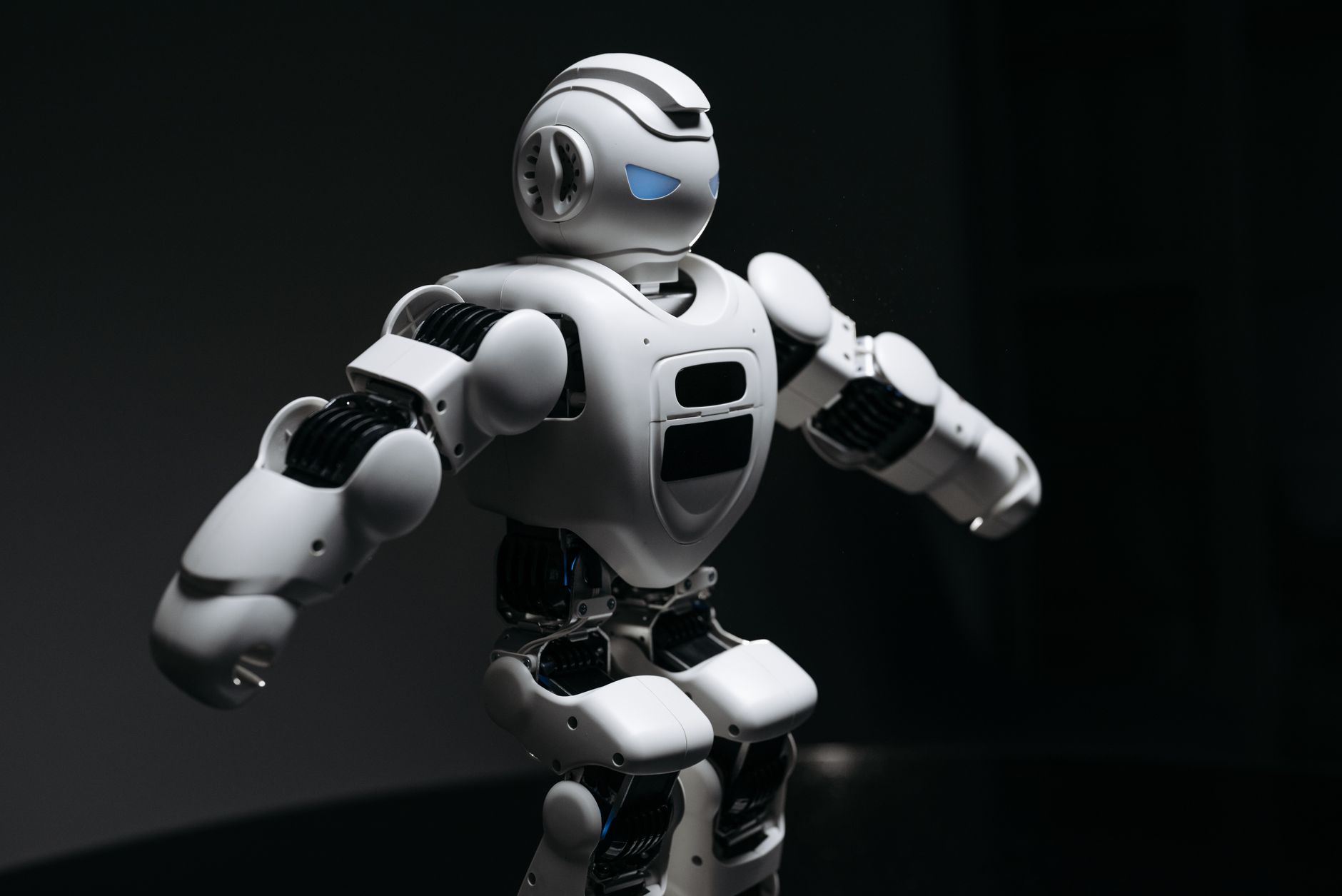
China unveils what it calls the first fully autonomous humanoid tennis robot
Breakthrough claim and who built it
It has been reported that Beijing Galaxy General Robots (北京银河通用机器人), working with a team from Tsinghua University (清华大学), has unveiled what they describe as the world's first fully autonomous humanoid tennis robot. The machine — about 1.75 m tall — reportedly uses a LATENT intelligent control algorithm (LATENT智能规控算法) and deep reinforcement learning rather than scripted motions, allowing it to learn and execute tennis skills on the fly.
Performance and core technologies
According to the report, a binocular vision system can lock onto incoming balls traveling over 50 km/h within 0.1 seconds, while the robot executes full-court movement, posture adjustment and racket swings. Field tests claim a forehand success rate of 90.9% and the ability to sustain 20-plus continuous rallies, controlling return placement and rhythm with human-like smoothness. The team highlights multimodal perception, millisecond-level decision making and bionic-joint dynamic balance as the core technologies enabling high-dynamic, embodied motion.
Training method and practical uses
The developers reportedly trained the robot using a virtual-to-real pipeline: virtual-scene pretraining followed by real-machine calibration, keeping end-to-end latency in the tens of milliseconds and improving environmental robustness. The announcement frames the result as a milestone for embodied intelligence, with potential applications in sports training, rehabilitation and intelligent companionship rather than purely industrial automation.
Geopolitical context and what it means
This demonstration comes as China accelerates domestic AI and robotics capabilities amid global tech competition and export controls on advanced chips that have complicated access to some Western components. Is this the start of humanoid robots that can both compete with and coach humans on the court? The claim will attract scrutiny from international researchers and competitors; independent validation and technical publication will determine how far the field has really progressed.