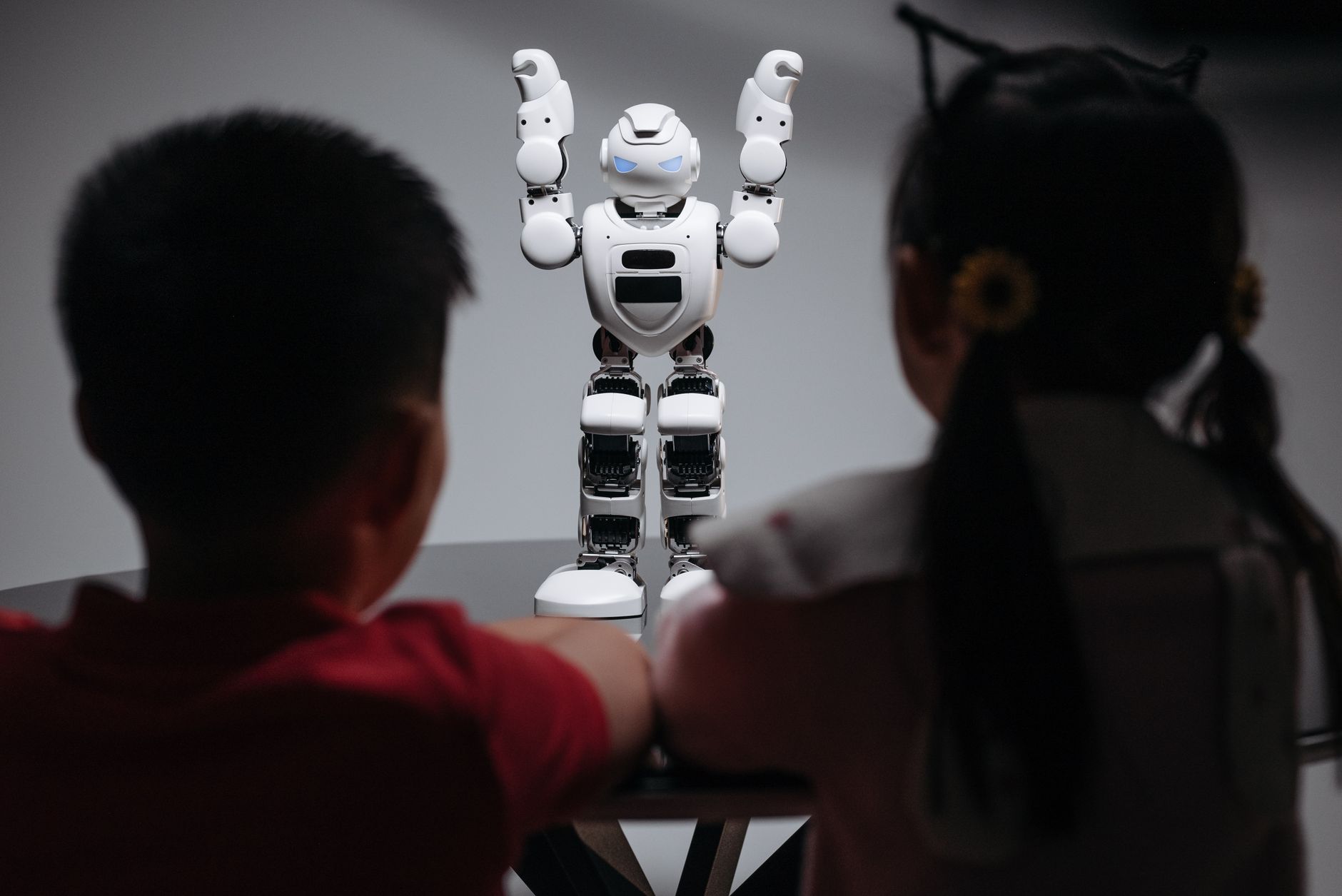
Yushu (宇树) and JD.com (京东) unveil a customized humanoid robot
The reveal
Robotics developer Yushu (宇树) and e‑commerce giant JD.com (京东) have unveiled a customized humanoid robot, it has been reported. The announcement, covered by ifeng, says the model was tailored to JD’s operational requirements and is intended for commercial deployment in scenarios such as customer-facing retail and logistics‑adjacent tasks, reportedly to help with last‑mile service and in‑store assistance. Exact technical specifications and a commercial timeline were not independently verified at the time of reporting.
Why it matters
JD.com is one of China’s largest e‑commerce and logistics companies; Yushu is part of a burgeoning domestic robotics ecosystem that Chinese investors and authorities have been nurturing to reduce reliance on foreign technology and to automate labour‑intensive tasks. For Western readers: this is part of a broader push by Chinese firms to move from research demos to bespoke, enterprise‑grade robots designed for specific commercial partners. Reportedly, the collaboration lets JD tailor robot behaviours and integration into its logistics and retail software stack.
This development comes amid heightened geopolitical friction over advanced semiconductors and AI components. China’s drive to deploy homegrown robotics is being accelerated by export controls and broader trade tensions that have complicated access to some cutting‑edge Western chips and sensors. Will these joint efforts produce commercially robust, domestically sourced robots — and how quickly will they scale across China’s massive retail and logistics network?
The practical implications are straightforward: humanoid robots could change in‑store experiences and routine warehouse tasks, displacing some roles while creating new technical and operational jobs. It has been reported that both companies see the move as a step toward deeper integration of robotics in everyday commerce — but questions remain about cost, reliability, and regulatory oversight as humanoid machines move from lab showcases into public spaces.