Samsung's DX Unit Slashes Costs as Memory Prices Surge and Chinese Rivals Bite
What Samsung is doing
Samsung Electronics (三星电子) is pushing a broad cost-cutting program within its Device eXperience (DX) division after it has been reported that rising memory-chip prices and intensifying competition from Chinese manufacturers have eroded profitability. The DX unit — which covers smartphones, TVs and home appliances — is reportedly led by the company CFO in tightening day-to-day spending and accelerating structural cuts.
Measures include immediate downgrades of international travel for vice presidents and below from business to economy class, and plans to relax conditions for voluntary exits by expanding eligibility and increasing severance payments to reduce headcount and long-term labour costs, it has been reported.
Why this matters
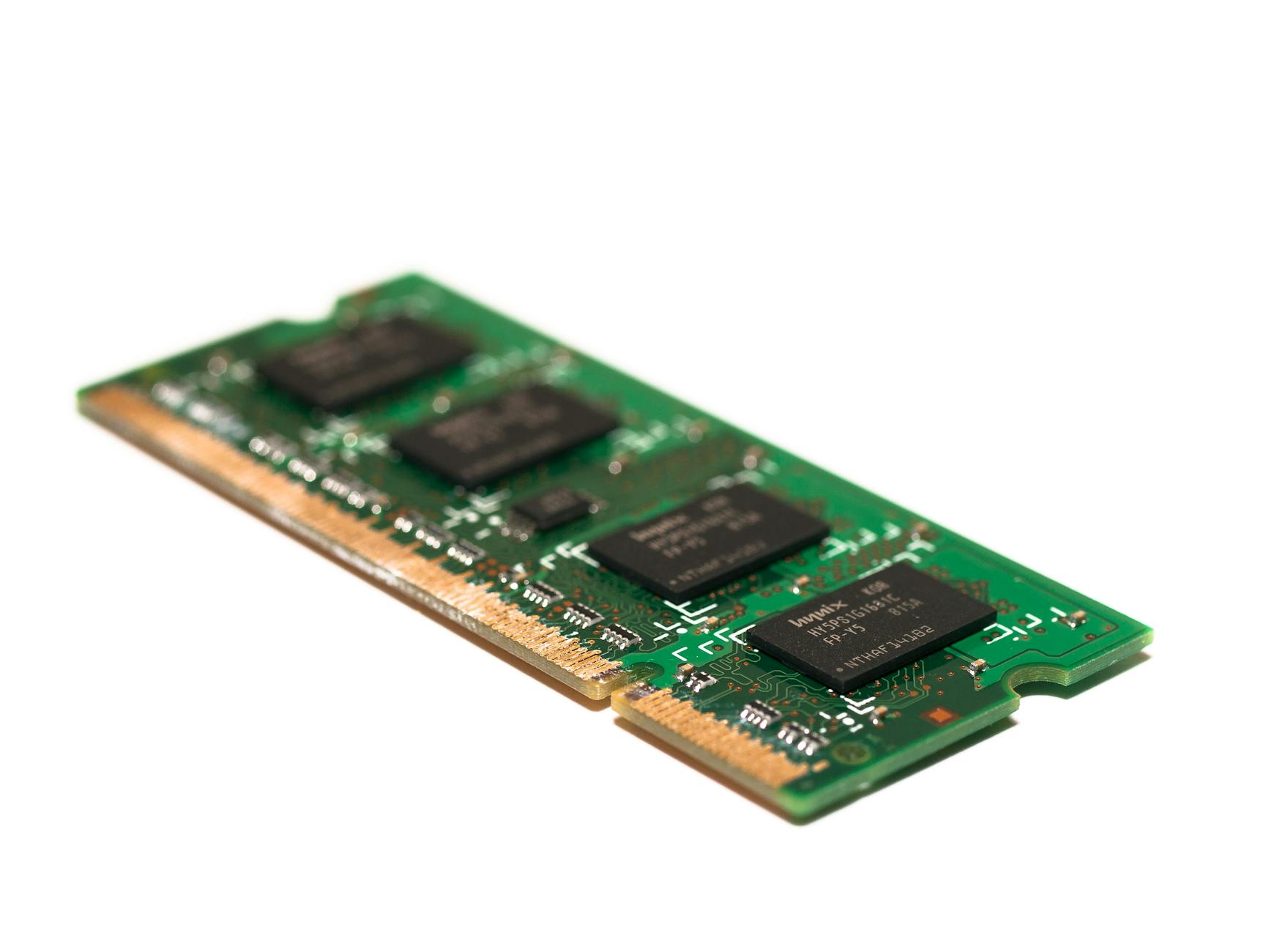
The steps underline how volatile component markets and aggressive pricing from Chinese players are squeezing traditional hardware makers. Memory semiconductors are a core cost for modern devices; a sudden spike in chip prices directly lifts manufacturing costs and compresses margins. Meanwhile, Chinese TV and appliance companies such as TCL, Hisense, Haier and Midea have aggressively expanded overseas with lower-cost models, putting pressure on Samsung’s market share and product profitability.
It has been reported that the DX squeeze stands in stark contrast with Samsung’s semiconductor-led Device Solutions (DS) division, whose strength could help the group post record overall operating profits — reportedly topping 40 trillion won for the quarter — even as DX may face one of its weakest quarters ever. Can Samsung balance competitive hardware pricing, rising component costs and a strategic shift toward higher-margin chips? The answer will matter not just for Samsung, but for global consumer-electronics supply chains shaped by geopolitical tensions and shifting trade dynamics.