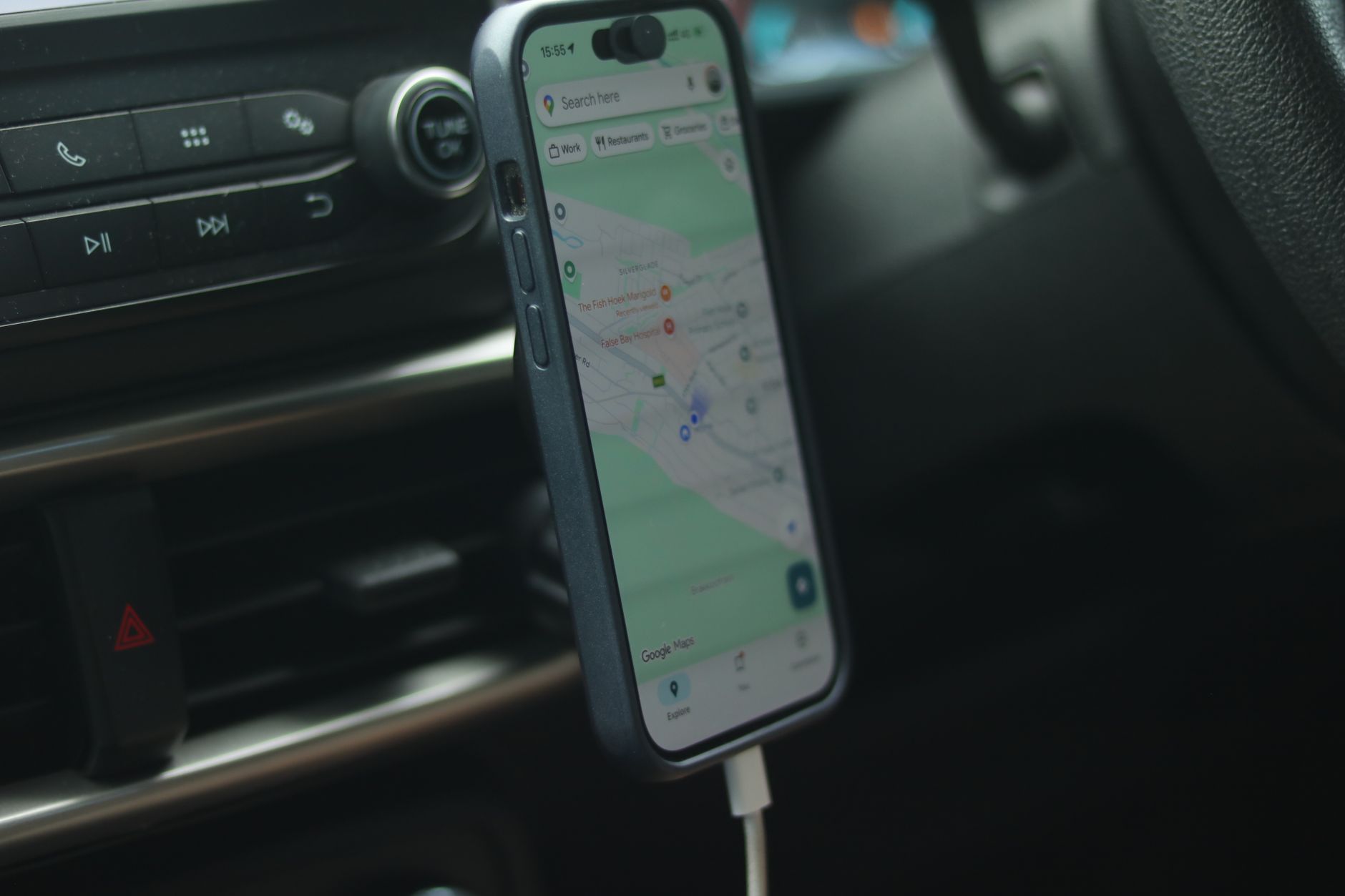
Map apps enter the conversational era: Google launches AI Q&A feature for its mapping app
Product push: maps as chat
Google has begun integrating conversational AI into Google Maps, rolling out a Q&A-style feature that lets users ask follow-up questions about routes, businesses and local plans in a chat-like interface. The company says the tool can handle multi-turn queries — for example, refining a dinner route for dietary needs or rerouting to avoid tolls — and deliver more contextualized, natural-language answers than traditional search cards. It has been reported that the capability is powered by Google’s latest generative models and will be rolled out incrementally in select markets.
Why this matters
Maps are no longer just pins and driving directions. They are turning into proactive assistants that can plan trips, compare options and surface local commerce opportunities on the fly. That raises big product and trust questions: how accurate are the model’s recommendations, who is liable for errors, and how will ad inventory be affected when a conversational model frames choices rather than a ranked list? Short answer: convenience rises, but so do stakes around factuality and moderation.
China and the wider competitive landscape
Western moves matter in Beijing. Chinese rivals such as Baidu (百度) and Amap (高德/AutoNavi) are already pairing local mapping data with domestic large models to deliver similar conversational experiences; it has been reported that Baidu is embedding its Ernie family of models across local services. The geopolitical backdrop matters too — export controls on advanced chips and broader US–China tech competition mean Chinese firms are doubling down on homegrown AI stacks and data-localization practices, which in turn shape how conversational map services are built and governed inside China.
The road ahead
Expect regulators and local businesses to push back on issues from data privacy to commercial transparency. Conversational maps could reshape local discovery and in-store traffic, but only if companies improve factual reliability and clarify how AI-driven recommendations are monetized. Will maps become the primary interface for everyday decisions? The answer will depend on whose AI gets the facts right — and whose users trust it.