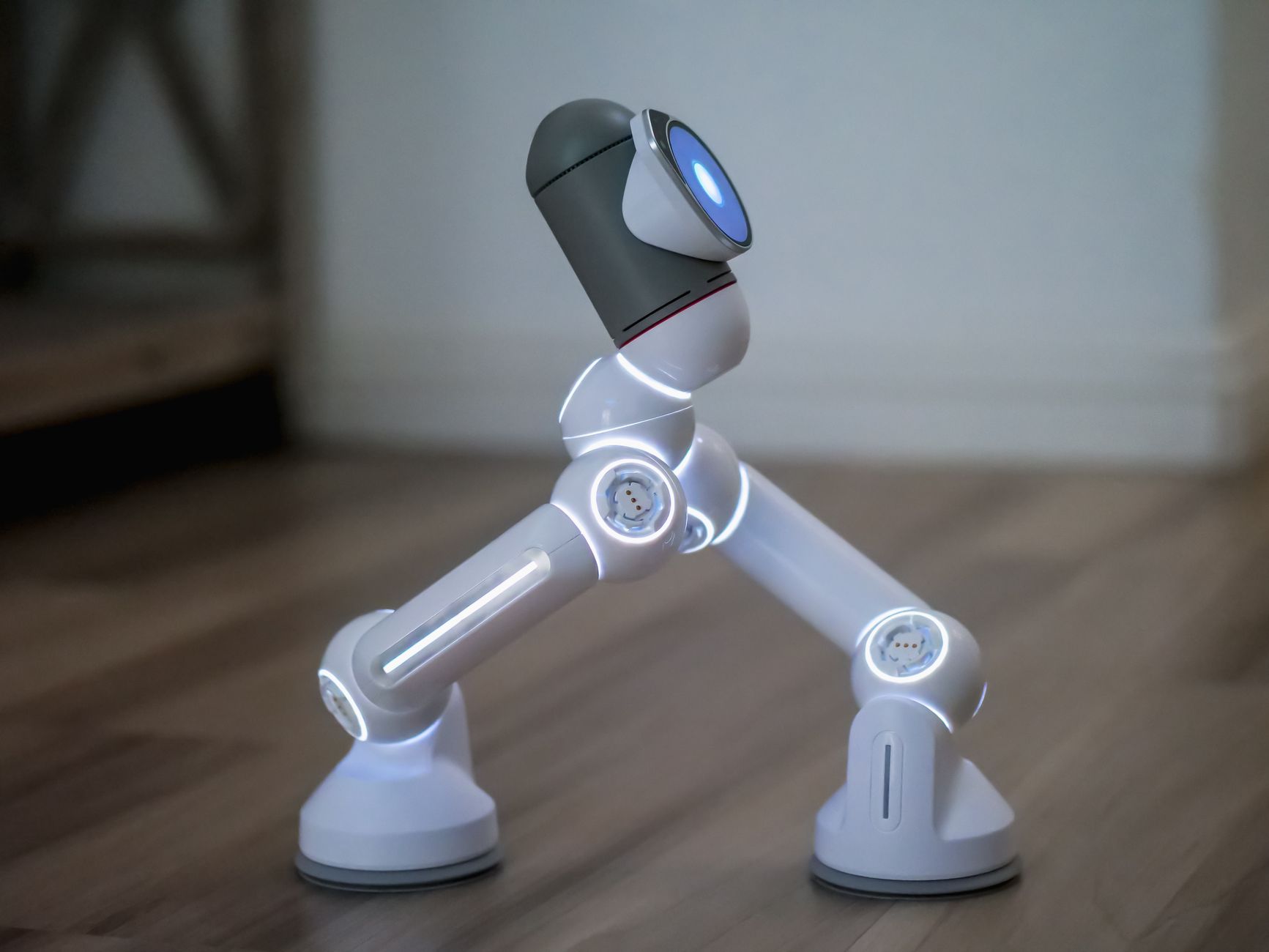
ZTE (中兴) Unveils Comprehensive AI Ecosystem at MWC
Expanding AI Horizons
At the Mobile World Congress (MWC), ZTE (中兴) introduced its ambitious full-scenario AI ecosystem, aiming to revolutionize how businesses and individuals interact with technology. This ecosystem encompasses a range of AI applications, from smart city solutions to advanced telecommunications, showcasing ZTE’s commitment to integrating AI across multiple sectors. But what does this mean for the competitive landscape in China, where tech giants like Huawei (华为) and Alibaba (阿里巴巴) are also pushing their AI initiatives?
A Strategic Response to Global Dynamics
ZTE's unveiling comes at a time of heightened scrutiny and geopolitical tensions. The tech giant, often overshadowed by its competitors, is leveraging AI to not only enhance its product offerings but also to navigate the challenges posed by international sanctions and trade policies. This strategic pivot aims to solidify its position in both domestic and global markets. As countries worldwide tighten regulations on technology transfers, ZTE's AI-centric approach could provide a vital edge.
The Power of AI in Everyday Life
The AI applications presented by ZTE at MWC are designed to enhance user experience and operational efficiency. From intelligent traffic management systems to personalized healthcare solutions, the company envisions a future where AI seamlessly integrates into everyday life. Analysts suggest that this could lead to transformative changes in urban management and public services. Could this be the key to ZTE reclaiming its status as a leader in the telecom space?
Meeting the Challenges Ahead
Despite the ambitious goals, ZTE faces significant hurdles. The rapid pace of technological advancement demands constant innovation and adaptation. As it attempts to carve out its niche within China's competitive tech ecosystem, the company must also contend with the ongoing effects of geopolitical tensions, which could hinder its global expansion plans. Will ZTE's bold AI strategy be enough to secure its future in an increasingly uncertain landscape? Only time will tell.